

Why are Dock Shelters so important?
In the warehousing and logistics, manufacturing, construction, and engineering industries, the loading dock’s efficiency directly impacts operating costs and productivity. The types of dock Shelter, as an integral part of the loading dock area, reduce energy consumption, prevent contamination, improve safety, and protect goods and people in adverse weather conditions.
The right choice of loading dock sealing door not only improves loading and unloading efficiency but also effectively reduces energy loss and improves overall operational efficiency. In this article, we will introduce three mainstream types of loading dock sealing doors:
Refugio de Muelle Mecánico – robust construction, suitable for standard logistics environments
Refugio de Muelle de Espuma – flexible sealing for temperature-controlled locations
Refugio de Muelle Inflable – highly airtight for energy-efficient warehousing and cold chain logistics.
With an in-depth comparison of their features, advantages, and application scenarios, you can choose the most suitable Dock Shelter for your needs.
Types and Features of Dock Shelter
Refugio de Muelle Mecánico
What is a Mechanical Dock Shelter?
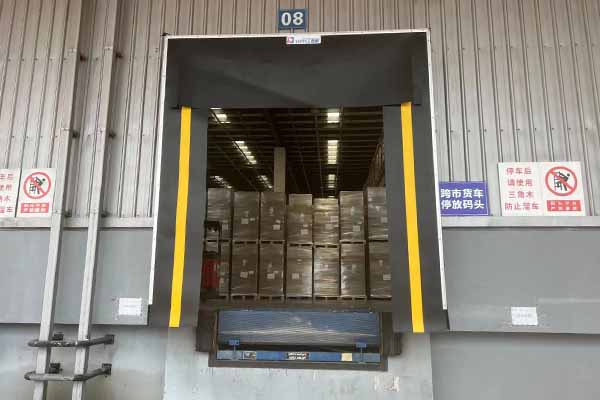
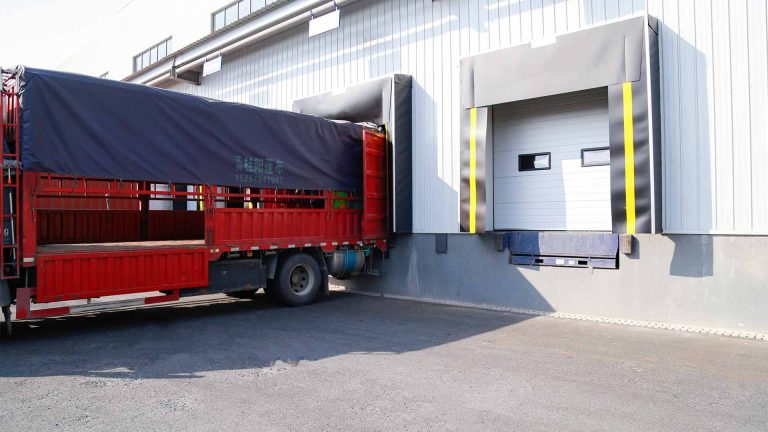
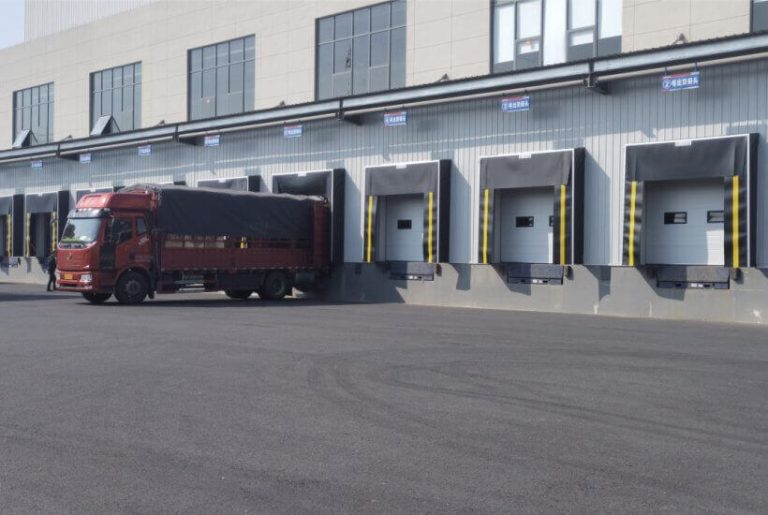
A Refugio de Muelle Mecánico is a structure consisting of a metal frame and an abrasion-resistant curtain that can be adapted to accommodate trucks of different sizes. The curtain fabric has a certain degree of elasticity and weather resistance and can be tightly fitted to the bodywork to form a good sealing effect when the vehicle is parked.
Main Features
High-strength frame, usually made of galvanized steel or aluminum alloy, which is sturdy and durable.
PVC or rubberized fabrics to fit different truck sizes.
Wind and water-resistant design, suitable for outdoor environment
Suitable for high-frequency loading and unloading operations, can effectively protect cargo and personnel.
Ventajas
Stable structure and high durability for long-term use.
Low maintenance costs, no need for complicated maintenance
Suitable for standard logistics operations and can be matched with most transportation trucks
Wind and rain-resistant, reducing the impact of the external environment.
Escenarios aplicables
Warehousing and logistics centers: standard unloading area for large logistics warehouses.
Factories and manufacturing: for fast access to production materials
Food processing plants: Reduces dust and contaminants from entering the storage area.
Refugio de Muelle de Espuma
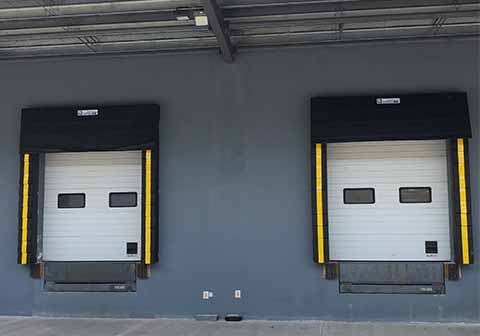
What is a Sponge Dock Shelter?
A Refugio de Muelle de Espuma consists of a high-density foam padding material covered with a weather-resistant PVC or rubberized fabric. When a truck is parked, the foam padding of the door automatically compresses to ensure a snug fit to the vehicle, providing an excellent seal.
Key Features
Foam cushion design to accommodate different truck sizes
High sealing performance, reducing energy loss
Fixed structure, easy to install and maintain
Suitable for loading and unloading platforms with limited space
Ventajas
Highly airtight, effectively sealing out dust, pests, and outside air.
Good energy saving effect, reduce the energy loss of air conditioning or cold storage
Simple and durable, fixed structure, suitable for long-term use
Suitable for small space, does not take up extra space.
Escenarios aplicables
Cold chain logistics and warehousing: ensure temperature stability and reduce energy consumption.
Food processing and pharmaceutical industry: strict control of indoor cleanliness
High-precision manufacturing: prevent dust and particles from entering the production environment.
Refugio de Muelle Inflable
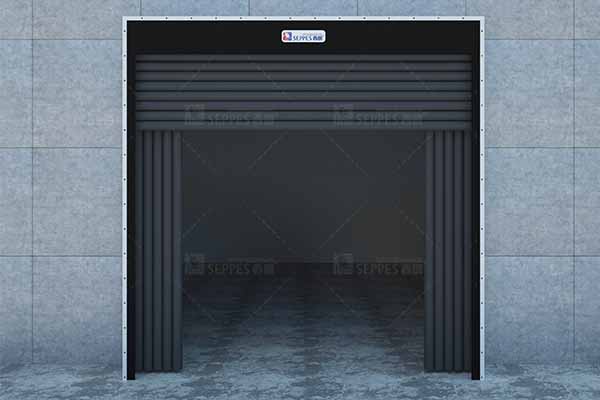
What is an Inflatable Dock Shelter?
La Refugio de Muelle Inflable utilizes an electric blower to inflate and expand the door, creating a tight seal. Once the truck is in place, the door quickly inflates and completely wraps around the vehicle for an optimal seal. Once unloading is complete, the door automatically exhausts and returns to its original position.
Main Features
Airbag design for a 100% fit on different-sized vehicles
Energy-efficient sealing to prevent temperature loss and contaminant ingress
Automatic inflation and exhaust system for easy operation
Reduced energy consumption and increased safety
Ventajas
Optimal sealing for energy-efficient storage environments
High-temperature retention for cold storage and constant temperature storage
Adaptation to different vehicle sizes for increased flexibility
The high degree of automation, reducing manual intervention and increasing efficiency
Scenarios
Cold storage, cold chain transportation: providing strict temperature control
Pharmaceutical storage: prevent temperature and humidity fluctuations from affecting the quality of pharmaceuticals
High-end electronics manufacturing: prevent dust and humidity from affecting product performance.
Choosing the right types of dock shelter: a comparative analysis
| Properties | Mechanical Dock Seal | Sponge Dock Seal | Inflatable Dock Seal |
| Rendimiento del Sellado | ⭐⭐⭐ | ⭐⭐⭐⭐ | ⭐⭐⭐⭐⭐ |
| Efecto de ahorro energético | ⭐⭐⭐ | ⭐⭐⭐⭐ | ⭐⭐⭐⭐⭐ |
| Durabilidad | ⭐⭐⭐⭐⭐ | ⭐⭐⭐ | ⭐⭐⭐ |
| Suitable for tight spaces | ❌ | ✅ | ❌ |
| Cost-effective | ⭐⭐⭐⭐⭐ | ⭐⭐⭐⭐ | ⭐⭐⭐ |
Concerned about cost and durability → choose the mechanical dock seal.
Need a better sealing effect → choose the sponge dock seal
Havee high demands on energy saving and efficient sealing → choose an inflatable dock seal.
How to choose the right types of dock shelter
Sealing effectiveness and energy efficiency
Inflatable dock shelters provide the best sealing effect and are particularly suitable for environments requiring strict temperature control, such as cold chain logistics and clean rooms.
Sponge dock shelters provide a better compression seal and are suitable for refrigerated warehouses and environments that require some temperature control.
Mechanical dock shelters, although less costly, are slightly less effective in sealing and are suitable for standard logistics operations.
Installation and space requirements
Mechanical sealing door: simple installation, suitable for standard warehouse or unloading area.
Sponge sealing door: suitable for smaller space, the sealing effect of higher requirements of the environment.
Inflatable sealing doors: Although requiring electrical support, they provide a highly flexible sealing effect and are suitable for a wide range of vehicle sizes.
Cost and Budget
Mechanical sealing doors: cost effective and suitable for locations with limited budgets.
Sponge Sealed Doors: Medium budget, providing a good seal and energy efficiency.
Inflatable doors: Higher initial investment, but saves energy and improves operational efficiency in the long term.
Installation and Maintenance of Loading and Unloading Platform Sealing Doors
Regardless of the type of loading dock sealing door, proper installation and regular maintenance are essential to ensure its long-term stable operation. Below are some suggestions for installation and maintenance to help you extend the life of your sealing door and ensure its efficient operation.
Installation recommendations
Ensure size match
Ensure that the selected sealing door size matches the size of the truck and the height of the loading dock. Choose the right door size to avoid gaps between the sealing door and the truck, thus ensuring an optimal seal.
Checking the sealing
When installing, make sure that the sealing strips and curtains can effectively prevent the penetration of outside air and moisture, especially in windy and rainy environments. A good seal effectively maintains temperature control and reduces energy loss.
Install a reliable blower system for inflatable sealed doors
If an inflatable sealed door is chosen, make sure the blower system is installed reliably and can inflate and exhaust quickly and consistently to maintain a good seal. Check the efficiency of the electrical system and blower operation to prevent failures.
Maintenance Recommendations
Regularly check and clean door curtains and sponge gaskets
For all types of dock seals, it is essential to check and clean the door curtains and foam pads regularly. This helps to prevent dust, dirt, and debris from building up and ensures the smooth operation of the door. Especially in environments with high-temperature control requirements, keeping sealed doors clean helps to maintain a stable room temperature.
Check Mechanical Dock Seals for Wear and Repair Damaged Seals
Mechanically dock seals need to be inspected regularly for wear and tear of the sealing strips and repaired or replaced if they are broken or deteriorated. The good condition of the door curtains and seals is essential to ensure a good seal and increase the life of the door.
Ensure the efficient operation of the blower system in inflatable dock seals
The effective operation of an inflatable sealed door relies on the proper functioning of the blower system. Regularly check the blower system to ensure that the blower is working properly and to avoid system failures that could affect the sealing effectiveness of the door. Check the electrical system, and air filters, and make sure the system is well-ventilated.
How to choose the right types of dock shelter
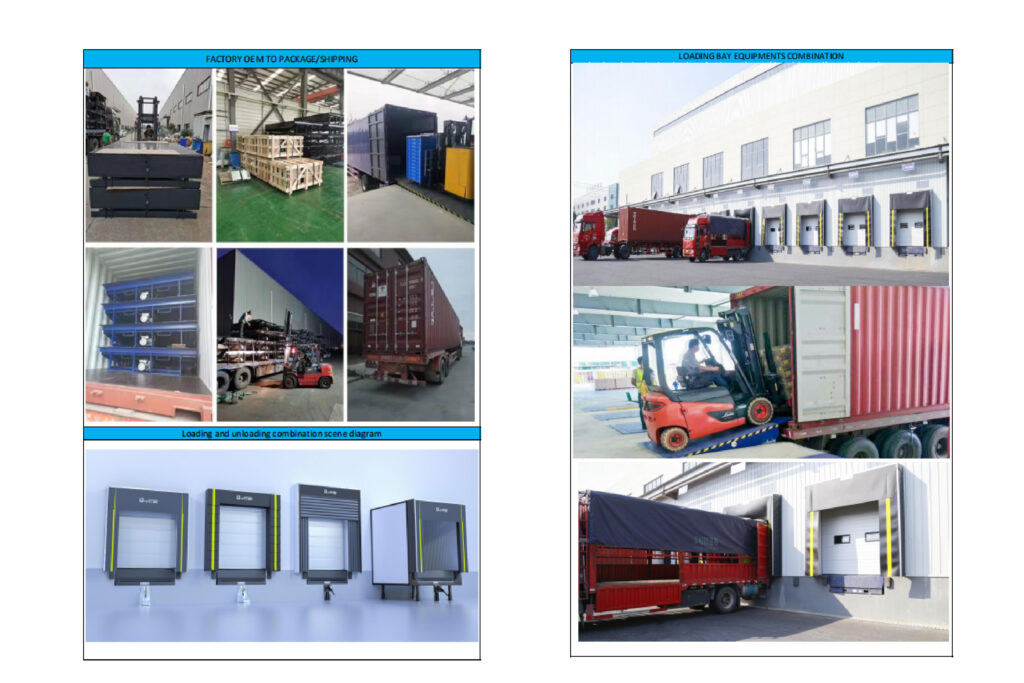
Supplier Reputation and Experience
It’s critical to choose suppliers with experience and a good reputation. Evaluate a supplier’s capabilities by looking at customer testimonials, success stories, and industry credentials.
Product quality and certification
Ensure that suppliers provide high-quality products that meet international standards (e.g. ISO 9001, CE certification, etc.). High-quality loading dock seals not only increase efficiency but also reduce long-term maintenance costs.
Customer support and after-sales service
Choosing a supplier that can provide 24/7 support and a long warranty ensures that technical support and repair services are available in a timely manner when equipment problems occur. Professional customer support is the basis for ensuring long-term cooperation between suppliers.
Conclusion: Choosing the best types of dock shelter for your facility
Choosing the right loading dock sealing door not only improves efficiency, but also controls energy consumption, improves safety and protects the environment. Depending on the facility’s needs, budget, sealing requirements and frequency of use, choose the right type of door:
Mechanical sealing door: suitable for general standard warehouse and logistics areas
Sponge sealed doors: suitable for locations that require a high degree of sealing and energy efficiency
Inflatable doors: for warehouses or clean rooms with high temperature control and energy efficiency requirements.
Basándose en estos elementos, puede elegir el refugio de muelle más adecuado para aumentar la productividad, optimizar el uso de energía y crear mayor valor para su negocio.
Preguntas Frecuentes (FAQ)
1. ¿Qué es una puerta de sellado para muelle de carga?
Una puerta de sellado para muelle de carga se utiliza para sellar el espacio entre el camión y el almacén, con el fin de prevenir fugas de aire, entrada de polvo y fluctuaciones de temperatura.
2. ¿Qué tipo de puerta de sellado es adecuada para empresas con presupuesto limitado?
Las puertas de sellado mecánicas son adecuadas para empresas con presupuesto limitado, ya que son económicas y duraderas.
3. ¿Son las puertas selladas inflables adecuadas para todo tipo de camiones?
Sí, las puertas inflables son altamente adaptables y pueden ajustarse a una amplia gama de tamaños de camiones y furgonetas.
4. ¿Cómo mantengo mi puerta sellada para muelle de carga?
Revise periódicamente los sellos, cortinas y bolsas de aire para detectar desgaste, y asegúrese de limpiarlos y repararlos oportunamente.
5. ¿Cómo elegir el proveedor adecuado de puertas para muelle de carga?
Elija un proveedor con buena reputación, que cumpla con estándares internacionales y ofrezca un sólido soporte al cliente y servicios de garantía.
Información relevante