

Introduction au matériel de porte industrielle
Le matériel de porte industrielle joue un rôle essentiel dans la fonctionnalité, la durabilité et la sécurité des portes industrielles. Des charnières et serrures aux rails et actionneurs, chaque composant du matériel a un impact direct sur le bon fonctionnement et la longévité du système de porte. Comprendre les différents types de matériel de porte industrielle et leurs applications est essentiel pour que les organisations puissent choisir la meilleure solution de porte.
Dans ce guide, nous fournirons une analyse approfondie des types de matériel de porte industrielle, de leurs fonctions, de leurs scénarios d'application, de leurs méthodes de maintenance et de leur durée de vie. De plus, nous examinerons comment choisir le matériel adapté aux différents types de portes industrielles, aux exigences d'utilisation et aux zones géographiques.
Types de matériel de porte industrielle
Il existe différents types de matériel de porte industrielle, chacun adapté à des besoins de porte spécifiques. Voici les principaux types de matériel de porte industrielle :
Charnières de porte
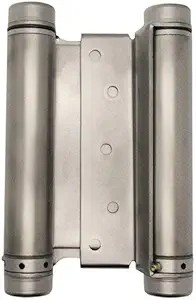
Description :
Les charnières de porte sont un élément important d'une porte battante, permettant à la porte de s'ouvrir et de se fermer en douceur. Selon le poids et la fonction de la porte, les charnières existent en différentes tailles et matériaux.
Catégorie :
Charnières continues : pour portes lourdes nécessitant une capacité de charge.
Charnières à paumelles : charnières utilisées pour les portes industrielles légères et standard.
Charnières renforcées : pour portes à utilisation intensive, généralement installées dans les ateliers ou les grandes usines.
Lieu d'application :
Pour portes battantes manuelles ou lourdes, généralement présentes dans les entrepôts, les usines et les installations à fort trafic.
Rail et galet
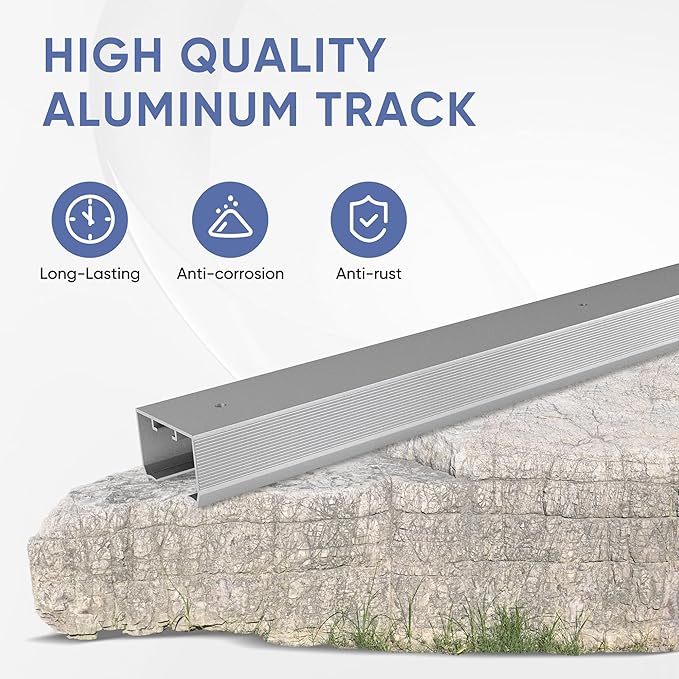
Description :
Les rails et galets sont les composants centraux des portes coulissantes et sectionnelles, assurant une ouverture et une fermeture fluides de la porte. Le système de rail supporte le poids de la porte, tandis que les galets permettent à la porte de se déplacer en douceur.
Catégorie :
Rail en aluminium : léger et résistant à la corrosion, pour portes plus petites ou zones à faible trafic.
Rail en acier : utilisé pour les portes grandes et lourdes afin d'assurer un meilleur support et une meilleure stabilité.
Galets en polymère : généralement utilisés dans les environnements silencieux, offrant un fonctionnement plus fluide et plus silencieux.
Lieux d'application :
Pour portes coulissantes, sectionnelles et enroulables, largement utilisées dans les quais de chargement, les unités de stockage et les entrepôts industriels.
Entraînements et moteurs
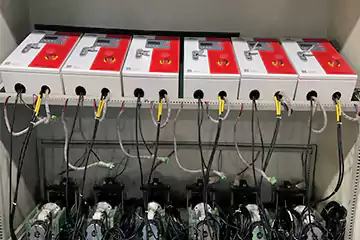
Description :
Les entraînements et moteurs de porte industrielle sont utilisés pour automatiser les portes industrielles, fournissant la puissance nécessaire pour ouvrir et fermer les portes efficacement.
Catégorie :
Moteurs électriques : pour portes automatisées à utilisation intensive, telles que les portes rapides enroulables ou les portes de garage à ouverture rapide.
Actionneurs hydrauliques : pour portes lourdes nécessitant une grande force de levage, couramment utilisés sur les quais de chargement industriels.
Actionneurs à chaîne : couramment utilisés pour les portes coulissantes, offrant une solution économique pour une utilisation moyenne.
Lieux d'application :
Adaptés aux zones à fort trafic, aux portes automatiques et aux portes industrielles lourdes telles que volets roulants rapides et portails haute sécurité.
Serrures et loquets
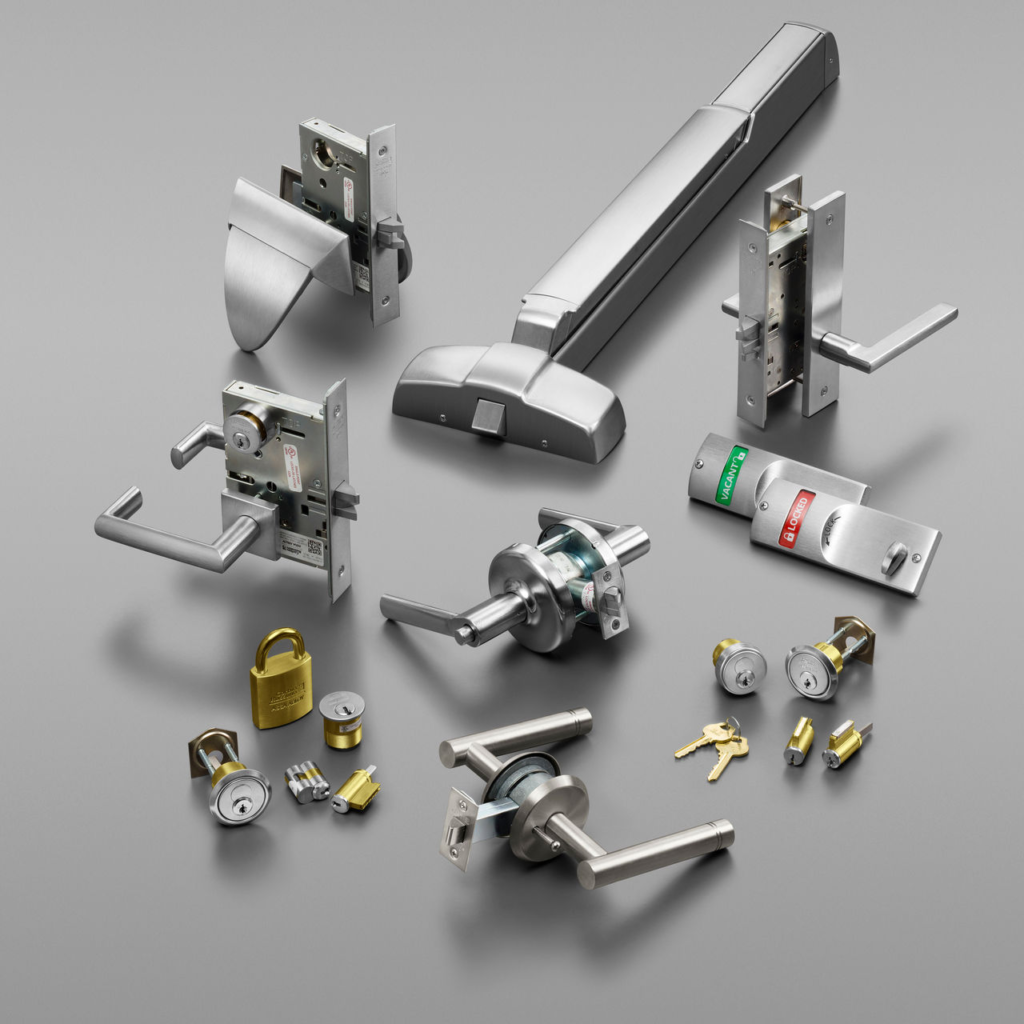
Description :
Les serrures et loquets sont utilisés pour sécuriser les portes industrielles, empêcher les accès non autorisés et renforcer la protection.
Catégorie :
Verrou à pêne dormant : offre une sécurité renforcée, couramment utilisé sur les portes coupe-feu.
Cadenas : un dispositif de verrouillage pratique, souvent utilisé pour les portes temporaires.
Serrures magnétiques : utilisées dans les environnements à haute sécurité tels que les salles blanches ou les zones sensibles.
Lieu d'application :
Principalement utilisés pour les portes battantes, les portes coupe-feu et les portes de sécurité, comme dans les usines pharmaceutiques, les usines de fabrication électronique et les centres logistiques.
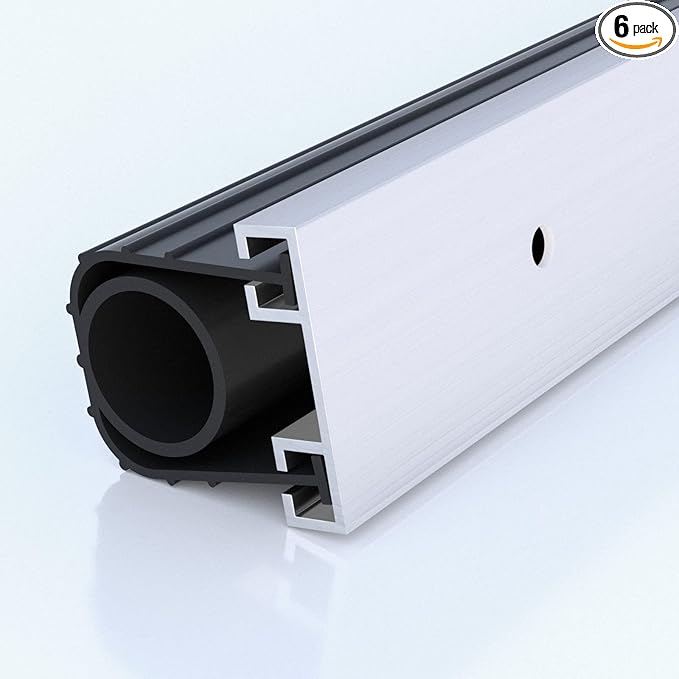
Joints d'étanchéité et bourrelets
Description :
Les joints d'étanchéité et bourrelets aident à empêcher l'air, l'humidité, la poussière et les nuisibles de pénétrer dans les installations. Ils sont particulièrement importants dans les environnements à température contrôlée.
Catégorie :
PVC Seal Strips: commonly used on lightweight doors to provide basic protection from drafts and dust.
Rubber seals: Used in areas that require stronger protection, commonly found in cold storage.
Magnetic seals: commonly used in high-speed doors, providing higher sealing performance.
Lieu d'application :
Used in cold storage facilities, high-speed doors, and environments requiring airtightness, such as cleanrooms and food processing plants.
Fonctions du matériel de porte industrielle
Industrial door hardware has several key functions that directly affect the efficiency, safety, and longevity of the door. Below are the key functions of industrial door accessories:
Améliore la fonctionnalité de la porte
Properly installed hardware ensures that the door will function as intended-smooth opening and closing, good sealing, and reduced friction. Components like tracks and rollers or motors are critical to the door’s smooth operation.
Sécurité et protection renforcées
Industrial door hardware provides the necessary security features for the door body, with locks, latches, and security barriers ensuring that the door protects industrial facilities from unauthorized entry.
Durabilité et longévité accrues
High-quality hardware significantly improves the lifespan of a door. Materials like stainless steel and galvanized steel are widely used in industrial door hardware to withstand heavy use and environmental challenges.
Efficacité énergétique améliorée
Seals, weatherstripping, and insulation play a critical role in improving the energy efficiency of a door. Seals in insulated high-speed or roll-up doors help maintain the temperature inside the building and reduce energy consumption.
Comment entretenir le matériel de porte industrielle
Proper maintenance ensures the long-term operation of industrial door hardware. Here are the main ways to maintain your industrial door hardware:
Inspection régulière
Regularly inspect door hardware for signs of wear and tear, checking components such as hinges, tracks, seals, and motors. Pay special attention to the alignment of the door to ensure that it opens and closes smoothly.
Lubrification
Regularly lubricate rollers and hinges to reduce friction and prevent premature wear. Use the proper lubricant to ensure that you don’t damage the materials of the hardware.
Nettoyage
Clean tracks, seals, and sensors regularly to keep the door running smoothly. Dust, dirt, and debris may affect the long-term use of the door.
Maintenance spécialisée
For electric drive systems and hydraulic operating systems, it is recommended to have them inspected and maintained by a professional regularly. These components require specialized tools and techniques to ensure their long-term stable operation.
Longévité et qualité du matériel de porte industrielle
The longevity of industrial door hardware depends on several factors, including:
Quality of materials: stainless steel and galvanized steel are more durable than cheaper materials.
Frequency of use: Doors used at high frequencies, such as high-speed roll-up doors, require stronger hardware support.
Environmental conditions: Door bodies used in harsh environments (e.g., high temperatures, moisture or dust) can accelerate wear and tear.
Typically, industrial door hardware has a lifespan of 5 to 15 years, but components like motors and seals may need to be replaced more frequently.
Matériel de porte industrielle dans différents pays et régions
The use of industrial door accessories varies depending on environmental conditions, industry needs, and regional regulations. Here are some common regional applications:
Amérique du Nord
In North America, the demand for industrial door hardware comes mainly from the automotive manufacturing, logistics, and cold storage industries. Facilities like cold storage require highly insulated doors with specialized hardware to ensure temperature control.
Europe
In Europe, industrial doors are widely used in automotive manufacturing plants, warehouses, and food processing plants, among others. High-velocity doors and door bodies with enhanced sealing are particularly important in the pharmaceutical industry and cleanrooms.
Asie-Pacifique
Countries such as China, India, and Australia are experiencing rapid growth in logistics and manufacturing. There is an increased demand for high-security doors and automated doors to improve safety and operational efficiency, especially in high-precision industries such as electronics factories and pharmaceutical plants.
Conclusion
Choosing the right industrial door hardware is critical to ensuring the safety, functionality, and longevity of your doors. By understanding the different types of hardware and their applicable functions, application scenarios, and maintenance requirements, organizations can better select the hardware solution that fits their needs.
Proper installation and regular maintenance can significantly extend the life of an industrial door, reduce repair costs, and optimize production processes. When selecting hardware, decisions need to be made based on frequency of use, environmental conditions, and budget to ensure the stability and efficiency of the door system.
FAQ : Questions fréquemment posées
1. What is industrial door hardware?
Industrial door hardware includes all the components used to ensure that an industrial door opens, closes, locks, and seals properly, such as hinges, locks, tracks, drive systems, and more.
2. How do I choose the best industrial door hardware?
When choosing, you need to consider the type of door, the frequency of use, the working environment, and the security needs, such as the need for fire protection or thermal insulation of the area, to choose the appropriate door and hardware.
3. How long does hardware last?
Door hardware typically has a lifespan of 5 to 15 years, depending on the frequency of use, materials, and environmental conditions.
4. How do I maintain my industrial door hardware?
Regularly inspect, lubricate, and clean all moving parts, keep motors and sensors in good operating condition, and call in a professional for maintenance when necessary.
5. Is the installation of industrial door accessories demanding?
Depending on the type of door and usage requirements, some hardware, such as an electric motor and hydraulic drive system, may require professional installation to ensure stable and efficient operation of the system.