
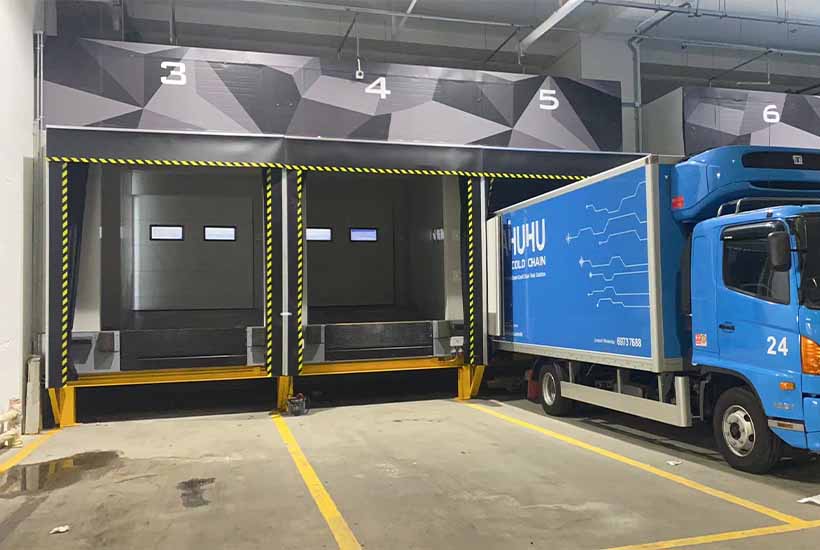
In modern logistics and warehouse management, Loading Dock Equipment play a crucial role. These systems not only improve the efficiency of goods in and out, but also optimize the operation of the entire supply chain. Especially in factories, warehouses and distribution centers, the effectiveness of the loading and unloading system has a direct impact on production efficiency and operating costs. This article provides nine key points to consider when selecting a loading/unloading system to help you make informed decisions in response to changing market demands.
1.What is dock equipment?

A loading and unloading system is a series of equipment and facilities used for loading, unloading, handling and storage of goods. It includes 도크 레벨러, 산업용 섹셔널 도어, 와 산업용 섹셔널 도어가, and cargo conveyors. Through this equipment, companies are able to efficiently connect transportation vehicles to warehouses, improve loading and unloading efficiency, and ensure the safety and integrity of goods.
In today’s fast-paced business environment, loading and unloading systems are not only a tool for operational efficiency, but also a key to rapid response to customer needs. They are used in a wide variety of industrial locations, especially in logistics centers that require high-frequency access, cold storage in temperature-controlled environments, and food processing plants with stringent cleanliness requirements.
2.Basic components of a loading 도크 장비의 생산 및 공급을 기반으로 합니다.
The Dock Leveler system consists of several key components that ensure the efficient operation of each function:
도크 레벨러
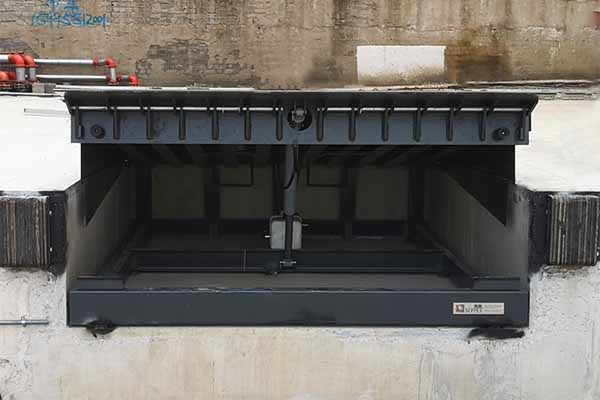
유압식 하역 플랫폼 도크 레벨러 is the bridge between the truck and the warehouse floor, and can effectively resolve differences in height. They are designed to allow goods to move smoothly during the loading and unloading process, reducing handling losses. High-quality loading and unloading platforms usually have a carrying capacity of 6,000-8,000 kilograms, which is suitable for the operation of various heavy goods.
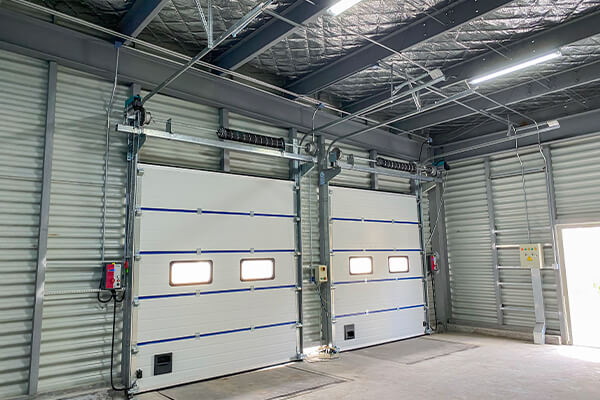
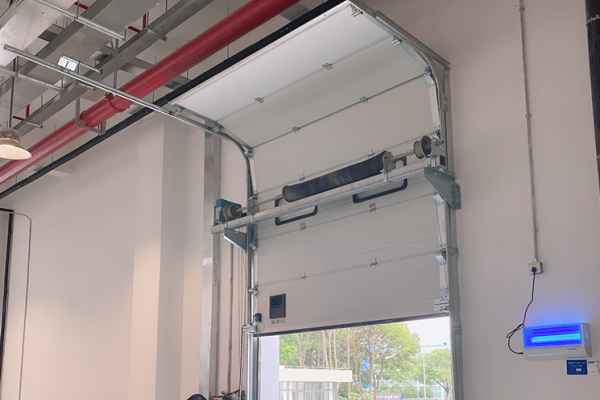
산업용 섹셔널 도어
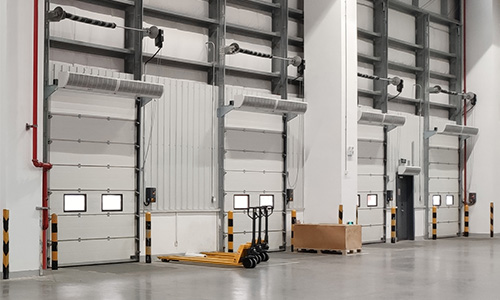
산업용 섹셔널 도어 provide secure access and are suitable for high-frequency access. They usually have good sealing and thermal insulation, can effectively block the influence of the external environment, to maintain a constant temperature inside the warehouse. The choice of door material, such as steel or aluminum, also affects its durability and safety.
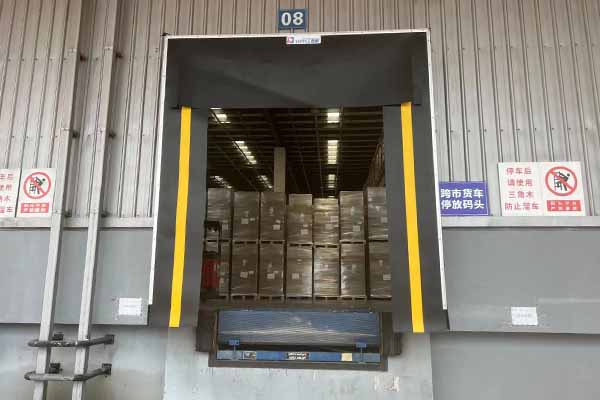
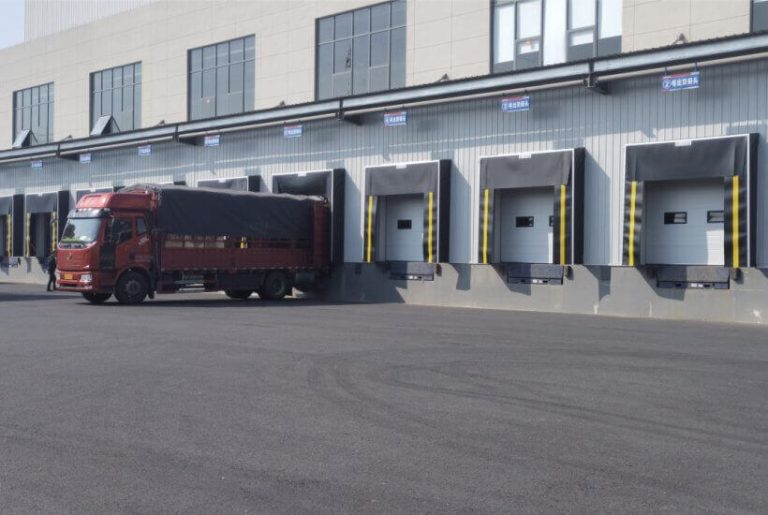
도크 쉘터
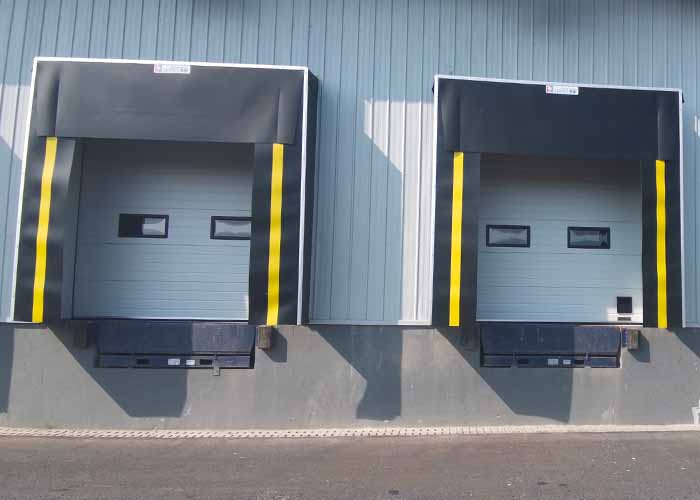
Dock Shelters are primarily used to protect loading and unloading areas and reduce the impact of outside weather on cargo. Typically installed around loading platforms, they protect cargo from rain, sand and extreme temperatures, ensuring smooth loading and unloading operations in all weather conditions.
Cargo Conveyors
Cargo conveyors play an important role in the loading and unloading process by automating the transportation of goods, greatly increasing operational efficiency and reducing the need for manual handling. They are especially common in large warehouses and sorting centers.
3.Basic classification of loading dock equipment
According to functions and application scenarios, loading and unloading systems can be categorized as follows:
Industrial loading and unloading platform
Dedicated to the loading and unloading of heavy goods, suitable for factories and large warehouses, able to quickly adjust the height, easy access to a variety of vehicles.
Specialized system for cold storage
Specially designed loading and unloading equipment to ensure that products are kept fresh and safe in cold chain logistics, in line with food safety standards.
Food industry loading and unloading systems
Meets strict food hygiene standards to avoid contamination and ensure food quality and safety.
4.Product technical parameters and recommendations
When selecting a loading and unloading system, you need to pay attention to the following technical parameters:
Carrying capacity
The loading capacity of loading and unloading platforms and lifting gates should be selected according to the actual use scenario, usually up to 6,000-8,000 kilograms, to ensure that they can withstand heavier goods.
Lifting speed
The speed of the lifting equipment affects the operation efficiency. It is recommended to choose equipment with a lifting speed between 5-10 cm/sec in order to complete loading and unloading quickly.
Material and Durability
The choice of material directly affects the durability and maintenance cost of the equipment, common materials include steel and aluminum alloy. High-quality materials can not only withstand greater pressure, but also resist corrosion and are suitable for a variety of environments.
안전성
Loading and unloading systems should be equipped with automatic response devices, such as sensors and emergency stop buttons, to ensure the safety of operation. Safety measures are especially important in environments with high frequency of entry and exit.
Recommended brands: Choose well-known brands such as SEPPES, Hörmann, ASSA ABLOY, etc. to ensure product quality and after-sales service.
5.Factors affecting the price of loading 도크 장비의 생산 및 공급을 기반으로 합니다.
Price is an important consideration when choosing a loading/unloading system and is influenced by the following:
Type of equipment
Different types of equipment (e.g. Dock Leveler, Industrial Sectional Door) vary greatly in price, with loading platforms usually being more expensive.
Customization needs
Customization to specific needs increases costs. For example, customized equipment with special dimensions or features.
Technical complexity
High-tech equipment (e.g., automated systems) is usually more expensive, but also offers greater efficiency and convenience.
6.How to choose the right supplier of loading 도크 장비의 생산 및 공급을 기반으로 합니다.?
Selecting a reliable supplier is essential to ensure the quality and service of your loading and unloading system. Here are a few key points to consider when choosing a supplier:
Market reputation
Choose a brand with a good reputation and credibility, check customer reviews and case studies to ensure the quality of their products and services.
Technical support and after-sales service
High-quality suppliers should provide comprehensive after-sales support, including regular inspection and maintenance, to ensure long-term stable operation of the equipment.
Customization ability
Suppliers that can provide customized solutions according to customer needs are more competitive.
7.Key points when shopping for dock equipment
When selecting loading dock equipment, the following key points require special attention:
Actual application scenario
Understand the specific use environment of the required equipment, such as cold storage needs good insulation performance.
안전 성능
모든 장비에 비상 정지 및 자동 응답 장치와 같은 필요한 안전 기능이 갖추어져 있는지 확인하십시오.
효율성 및 에너지 소비
장비의 효율성과 에너지 소비를 고려하여 에너지 효율이 높은 장비를 선택하여 장기적인 운영 비용을 절감하십시오.
8.선적장 장비 선택 시기
프로젝트 계획 단계
프로젝트 계획 단계에서 가능한 한 빨리 하역 시스템의 필요성을 결정하여 건물 설계와 일치하도록 하십시오.
시공 단계
시공 과정에서 장비가 적시에 설치되고 설계 요구 사항을 충족하여 지연을 방지하도록 하십시오.
유지보수 단계
장비를 정기적으로 점검하고 유지보수하여 장기간 효과적으로 운영되도록 하고 잠재적인 문제를 적시에 해결하십시오.
9.전망 및 브랜드 추천
향후 하역 시스템은 지능화 및 자동화 방향으로 발전할 것이며, 사물인터넷 기술과 결합된 장비가 주류가 되어 산업의 진보를 촉진할 것입니다.
추천 브랜드:
SEPPES: 다양한 하역 시스템을 제공하여 다양한 시나리오에 적합합니다.
Hörmann: 신뢰할 수 있는 품질로 고빈도 사용 장소에 적합합니다.
ASSA ABLOY: 지능형 도어 제어 기술 분야에서 뛰어난 성능을 발휘하며 포괄적인 솔루션을 제공합니다.
위의 9가지 핵심 사항을 통해 하역 시스템의 특성, 구매 시 고려 사항 및 브랜드 추천에 대해 종합적으로 이해하여 최적의 결정을 내리고 프로젝트가 원활하게 진행되도록 할 수 있습니다. 적합한 하역 시스템을 선택하는 것은 효율성을 향상시킬 뿐만 아니라 안전하고 안정적인 운영을 보장합니다.