📞 واتساب 86-18068436613

ألواح الأبواب القطاعية: الأنواع والمواصفات والتطبيقات ودليل الاختيار

في البيئات الصناعية والتجارية، تُعد ألواح الأبواب القطاعية مكونًا رئيسيًا في بناء أنظمة أبواب فعالة وقوية وموفرة للطاقة. تُستخدم هذه الألواح على نطاق واسع في بيئات مثل المستودعات وقاعات الإنتاج والغرف المبردة، حيث توفر أمانًا وإحكامًا واستخدامًا ممتازًا للمساحة. في هذه المقالة، سنقدم أنواعًا مختلفة من ألواح الأبواب القطاعية، وسيناريوهات تطبيقها، ومواصفاتها الفكرية، واعتبارات التسعير لمساعدتك في اختيار نظام الأبواب الأنسب لاحتياجاتك.
ما هي ألواح الأبواب القطاعية؟
ألواح الأبواب القطاعية هي المكونات الفردية التي تشكل جسم الباب القطاعي. عادة ما تكون متصلة بواسطة مفصلات متعددة ويمكن فتحها عموديًا ولفها في المسار العلوي. اعتمادًا على المتطلبات، يمكن صنع هذه الألواح من مواد مختلفة (مثل الصلب، الألومنيوم، الخشب) وبسمكات مختلفة لتلبية متطلبات التطبيقات الصناعية والتجارية المتنوعة.
أنواع ألواح الأبواب القطاعية
ألواح الأبواب القطاعية المعزولة
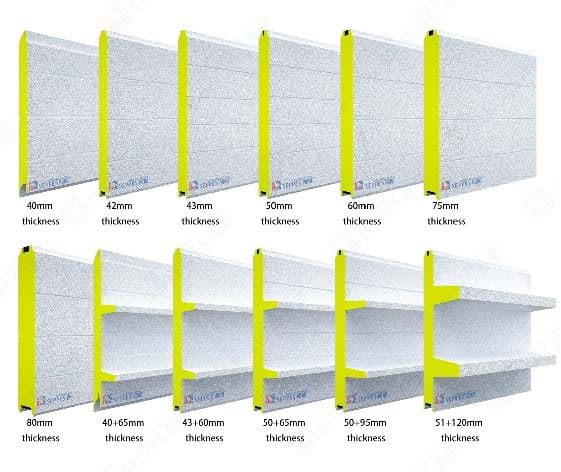
المادة: عادة ما تتكون من طبقة خارجية من الصلب مع رغوة البولي يوريثان أو رغوة البوليسترين في المركز، مما يوفر عزلًا حراريًا جيدًا.
السماكة: عادة ما تكون بين 35 مم و 60 مم، يتم اختيارها وفقًا للاحتياجات المختلفة للعزل الحراري.
سيناريو التطبيق: مناسبة للتخزين المبرد والمستودعات ذات التحكم في درجة الحرارة والبيئات الأخرى التي تحتاج إلى الحفاظ على درجة الحرارة.
ألواح الأبواب القطاعية غير المعزولة
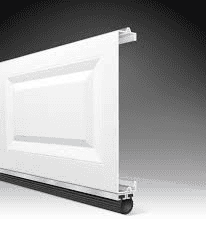
المادة: مصنوعة من صلب أو ألومنيوم متين مع طلاء مقاوم للتآكل على السطح الخارجي.
السماكة: بشكل عام من 0.4 مم إلى 0.6 مم.
سيناريو التطبيق: مناسبة للبيئات التي لا تتطلب تحكمًا صارمًا في درجة الحرارة، مثل المستودعات العامة أو ممرات الشحن.
ألواح الأبواب القطاعية الألومنيوم
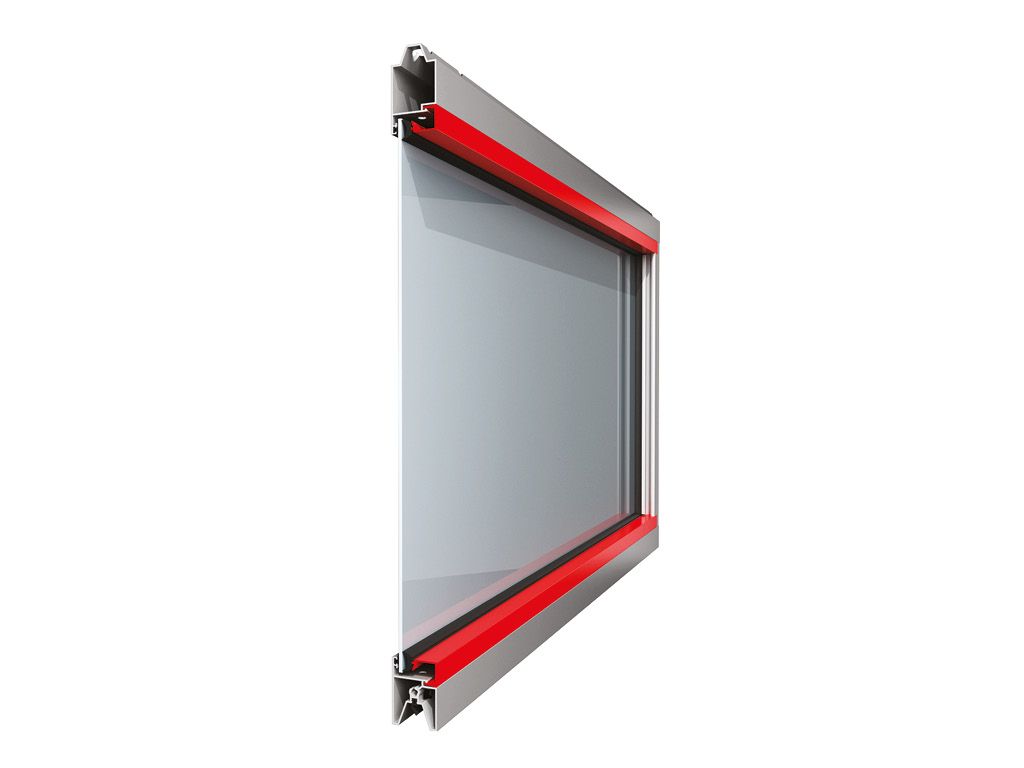
المادة: مصنوعة من سبائك الألومنيوم ذات مقاومة عالية للتآكل، ومناسبة للبيئات الرطبة.
السماكة: حوالي 0.8 مم إلى 1.5 مم.
سيناريو التطبيق: تُستخدم على نطاق واسع في الأماكن التي تحتاج إلى مقاومة التآكل، مثل مستودعات السواحل ومرآب السيارات.
ألواح الأبواب القطاعية المقاومة للحريق
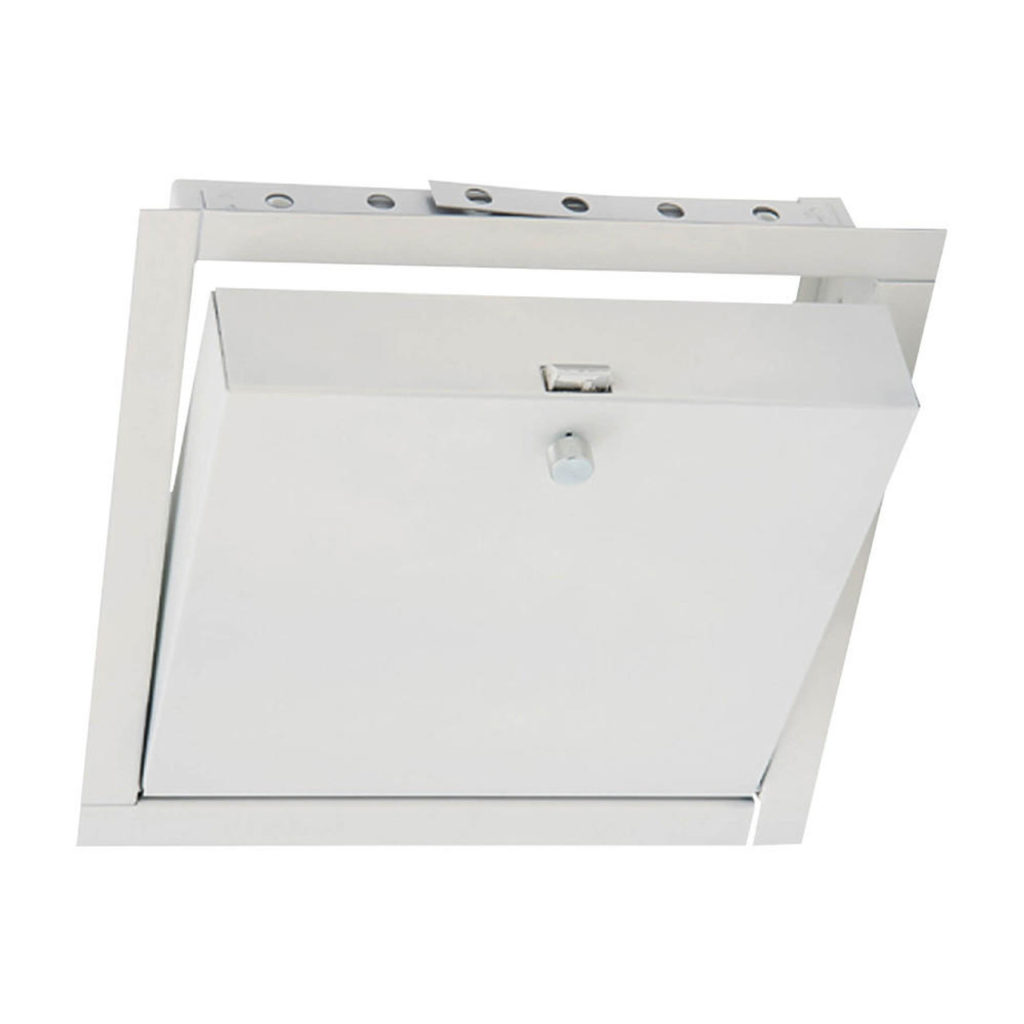
المادة: مصنوعة من مواد مقاومة للحريق خاصة، مثل الصلب المملوء بالمعادن، مع مقاومة عالية للحريق.
السماكة: عادة ما تكون بين 45 مم و 70 مم.
سيناريو التطبيق: مناسبة للأماكن ذات متطلبات الحماية من الحرائق الصارمة، مثل مستودعات الكيماويات والمصانع.
المواصفات الفنية لألواح الأبواب القطاعية
سمك لوح الباب
ألواح الأبواب غير المعزولة: السمك النموذجي من 0.4 مم إلى 0.6 مم.
ألواح الأبواب المعزولة: عادة ما يكون سمكها من 35 مم إلى 60 مم، كلما زاد السمك زاد العزل.
المادة
الصلب: المادة الأكثر استخدامًا، ذات قوة عالية وأمان جيد.
الألومنيوم: خفيف الوزن ومقاوم للتآكل، ومناسب للبيئات الرطبة أو المسببة للتآكل.
الخشب: يُستخدم في البيئات السكنية أو حيث يوجد متطلبات جمالية محددة.
الطلاءات السطحية
الصلب المطلي بالبوليستر: مقاوم للتآكل والاحتكاك، ومناسب لمعظم البيئات.
الصلب المجلفن بالغمس الساخن: يوفر حماية إضافية ضد الصدأ والتآكل.
الطلاء بالبودرة: متوفر بمجموعة واسعة من خيارات الألوان، مع سطح أملس ومتين.
مواد العزل
البوليسترين: تكلفة أقل ومناسب لاحتياجات العزل العامة.
البولي يوريثان: يوفر مقاومة حرارية أعلى، ومناسب للأماكن ذات متطلبات العزل العالية.
المواصفات الفنية لألواح الأبواب القطاعية
سمك لوح الباب
ألواح الأبواب غير المعزولة: السمك النموذجي من 0.4 مم إلى 0.6 مم.
ألواح الأبواب المعزولة: عادة ما يكون سمكها من 35 مم إلى 60 مم، كلما زاد السمك زاد العزل.
المادة
الصلب: المادة الأكثر استخدامًا، ذات قوة عالية وأمان جيد.
الألومنيوم: خفيف الوزن ومقاوم للتآكل، ومناسب للبيئات الرطبة أو المسببة للتآكل.
الخشب: يُستخدم في البيئات السكنية أو حيث يوجد متطلبات جمالية محددة.
الطلاءات السطحية
الصلب المطلي بالبوليستر: مقاوم للتآكل والاحتكاك، ومناسب لمعظم البيئات.
الصلب المجلفن بالغمس الساخن: يوفر حماية إضافية ضد الصدأ والتآكل.
الطلاء بالبودرة: متوفر بمجموعة واسعة من خيارات الألوان، مع سطح أملس ومتين.
مواد العزل
البوليسترين: تكلفة أقل ومناسب لاحتياجات العزل العامة.
البولي يوريثان: يوفر مقاومة حرارية أعلى، ومناسب للأماكن ذات متطلبات العزل العالية.
سيناريوهات التطبيق لألواح الأبواب القطاعية
بيئات المستودعات والمصانع
نظرًا لقوتها العالية وأمانها، تُستخدم ألواح الأبواب القطاعية على نطاق واسع في المستودعات ومصانع الإنتاج. خاصة الألواح المعزولة، فهي تتحكم في درجة الحرارة الداخلية بكفاءة وتوفر الطاقة.
مرافق التخزين المبرد والتجميد
تعتبر ألواح الأبواب المعزولة مثالية للمخازن المبردة والمجمدة ومستودعات الثلاجات. تحافظ على درجة حرارة منخفضة ثابتة وتساعد في تقليل استهلاك الطاقة.
المناطق المحمية من الحرائق
تُستخدم ألواح الأبواب القطاعية المقاومة للحريق على نطاق واسع في المناطق التي تتطلب حماية صارمة من الحرائق، مثل مناطق تخزين المواد الكيميائية والمرافق الصناعية.
المساحات التجارية والتجزئة
تُستخدم ألواح الأبواب الألومنيوم بشكل شائع في مراكز التسوق والمتاجر الكبيرة والمطاعم ومتاجر التجزئة بسبب جمالياتها ومقاومتها للتآكل.
مرآب السيارات الخاص
بالنسبة للبيئات السكنية، تُستخدم ألواح الأبواب الخشبية أو الصلب غير المعزول بشكل شائع في مرآب السيارات الخاص لتوفير الأمان والجماليات.
لماذا تختار ألواح الأبواب القطاعية؟
كفاءة الطاقة
تقلل ألواح الأبواب المعزولة من استهلاك الطاقة من خلال عزل تدفق الحرارة أو الهواء البارد الخارجي وتقليل التقلبات في درجة حرارة الغرفة.
الأمان والمتانة
توفر مواد الصلب والألومنيوم أمانًا ممتازًا ومقاومة للتخريب، مما يضمن أن الباب يمكنه تحمل الاستخدام عالي التردد لفترات طويلة.
تصميم موفر للمساحة
نظرًا لأن الأبواب القطاعية ترتفع عموديًا عند فتحها، فإنها تستخدم المساحة بشكل أفضل، خاصة في بيئات المساحة المحدودة.
خيارات مخصصة
يمكن تخصيص ألواح الأبواب القطاعية لتلبية احتياجات محددة، بما في ذلك الحجم واللون والمادة، لتلبية متطلبات العملاء المختلفة.
اعتبارات السعر
تختلف أسعار ألواح الأبواب القطاعية اعتمادًا على المادة والسُمك وخيارات التخصيص والميزات.
ألواح الأبواب غير المعزولة: عمومًا أقل تكلفة ومناسبة للمشاريع ذات الميزانية المحدودة، بسعر يتراوح بين $500 و$1500.
ألواح الأبواب المعزولة: توفر عزلًا أفضل وتكون أكثر تكلفة، عادةً ما تتراوح بين $1,000 و$3,000.
ألواح الأبواب المقاومة للحريق: عادةً ما تكلف بين $2,000 و$5,000، اعتمادًا على درجة مقاومة الحريق والمواصفات.
كما تتأثر تقلبات الأسعار بحجم الباب والمادة ومتطلبات التخصيص.
الخاتمة
تُعد ألواح الأبواب القطاعية جزءًا لا يتجزأ من مجموعة واسعة من التطبيقات الصناعية والتجارية والسكنية. سواء في المستودعات أو الغرف المبردة أو المصانع أو مناطق الحريق، توفر هذه الألواح أداءً ممتازًا ومتانة طويلة الأمد. من خلال اختيار المواد والمواصفات وخيارات التخصيص المناسبة، يمكن للمستخدمين تحقيق تجربة أفضل وكفاءة في استخدام الطاقة لتلبية احتياجاتهم.
الأسئلة الشائعة
س1: ما هي ألواح الأبواب القطاعية؟
ج1: ألواح الأبواب القطاعية هي جزء من الأبواب القطاعية, ، والتي تتكون عادةً من عدة ألواح مُعلقة لفتحها عموديًا وتخزينها في المسار العلوي. تُستخدم على نطاق واسع في البيئات الصناعية والتجارية والسكنية للأمان والغلق والعزل.
س2: في أي سيناريوهات تُستخدم ألواح الأبواب القطاعية؟
ج2: ألواح الأبواب القطاعية الصناعية مناسبة لمجموعة واسعة من السيناريوهات، بما في ذلك المستودعات والمصانع والغرف المبردة ومناطق الحريق والمساحات التجارية. اعتمادًا على السيناريو، يمكن اختيار مواد وخصائص عزل مختلفة، على سبيل المثال، تتطلب التخزين البارد خصائص عزل عالية، بينما تركز المصانع والمستودعات أكثر على المتانة ومقاومة الرياح.
س3: ما العوامل التي يجب الانتباه إليها عند اختيار ألواح الأبواب القطاعية؟
ج3: عند اختيار ألواح الأبواب القطاعية، أولاً، تحتاج إلى النظر في احتياجات سيناريوهات الاستخدام، مثل ما إذا كنت بحاجة إلى عزل حراري أو حماية من الحريق أو مقاومة الرياح وما إلى ذلك. ثانيًا، اختر السُمك والمادة المناسبين وفقًا للحجم والمادة ومتطلبات الأداء لهيكل الباب. بالنسبة لبيئات التخزين البارد وغيرها التي تتطلب التحكم في درجة الحرارة، يُوصى باختيار ألواب أبواب ذات تأثير عزل حراري قوي.
س4: ما العلامات التجارية الموصى بها لألواح الأبواب القطاعية؟
ج4: تشمل العلامات التجارية الموصى بها سيبس, Hörmann, ASSA ABLOY, ، إلخ. تتمتع هذه العلامات التجارية بسمعة طيبة وتطبيقات واسعة النطاق عالميًا، وتكون قادرة على توفير ألواح أبواب قطاعية عالية الجودة ومخصصة لتلبية الاحتياجات الصناعية والتجارية المختلفة.