

Einführung in Industrietürbeschläge
Industrietürbeschläge spielen eine entscheidende Rolle für die Funktionalität, Haltbarkeit und Sicherheit von Industrietüren. Von Türbändern und Schlössern bis hin zu Schienen und Antrieben hat jede Beschlagkomponente direkten Einfluss auf den reibungslosen Betrieb und die Langlebigkeit des Türsystems. Das Verständnis der verschiedenen Arten von Industrietürbeschlägen und ihrer Anwendungen ist für Unternehmen entscheidend, um die beste Türlösung auszuwählen.
In diesem Leitfaden bieten wir eine detaillierte Analyse der Arten von Industrietürbeschlägen, ihrer Funktionen, Anwendungsszenarien, Wartungsmethoden und Lebensdauer. Zudem betrachten wir, wie die richtigen Beschläge für verschiedene Industrietürtypen, Nutzungsanforderungen und geografische Regionen ausgewählt werden.
Arten von Industrietürbeschlägen
Es gibt verschiedene Arten von Industrietürbeschlägen, die jeweils an unterschiedliche Türbedürfnisse angepasst sind. Folgend sind die Haupttypen von Industrietürbeschlägen aufgeführt:
Türbänder
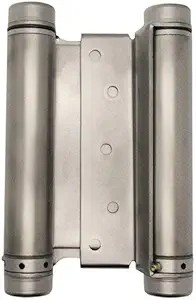
Beschreibung:
Türbänder sind ein wichtiger Bestandteil von Schwenktüren und ermöglichen ein sanftes Öffnen und Schließen der Tür. Abhängig vom Gewicht und der Funktion der Tür gibt es Bänder in verschiedenen Größen und Materialien.
Kategorie:
Bandlaufbänder: für schwere Türen, die Gewicht tragen müssen.
Scharnierbänder: Bänder für standardmäßige leichte und mittlere Industrietüren.
Hochleistungsbänder: für Türen mit hoher Nutzungsfrequenz, typischerweise in Werkstätten oder großen Fabriken installiert.
Anwendungsort:
Für manuelle oder schwere Schwenktüren, typischerweise in Lagerhäusern, Fabriken und Einrichtungen mit hohem Verkehrsaufkommen.
Schiene und Laufrolle
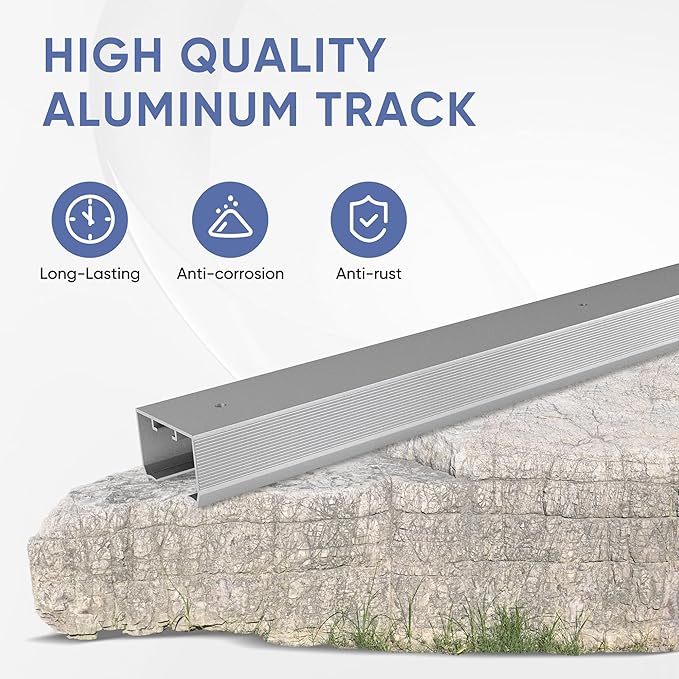
Beschreibung:
Schienen und Laufrollen sind die Kernkomponenten von Schiebe- und Sektionaltüren und gewährleisten ein sanftes Öffnen und Schließen der Tür. Das Schienensystem trägt das Gewicht der Tür, während die Laufrollen eine sanfte Bewegung ermöglichen.
Kategorie:
Aluminiumschiene: leicht und korrosionsbeständig, für kleinere Türen oder Bereiche mit geringem Verkehr.
Stahlschiene: Für große und schwere Türen, um bessere Unterstützung und Stabilität zu bieten.
Polymerlaufrollen: typischerweise in ruhigen Umgebungen verwendet, sorgen für einen sanfteren und leisereren Betrieb.
Anwendungsorte:
Für Schiebe-, Sektional- und Rolltore, weit verbreitet in Laderampen, Lagerbereichen und Industrielagern.
Antriebe und Motoren
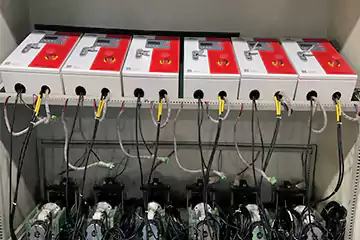
Beschreibung:
Industrietürantriebe und Motoren dienen der Automatisierung von Industrietüren und liefern die notwendige Kraft für ein effizientes Öffnen und Schließen.
Kategorie:
Elektromotoren: für automatisierte Türen mit hoher Nutzungsfrequenz, wie Hochgeschwindigkeits-Rolltore oder schnell öffnende Garagentore.
Hydraulikantriebe: für schwere Türen, die eine große Hubkraft erfordern, häufig an industriellen Laderampen eingesetzt.
Kettenantriebe: Häufig für Schiebetüren verwendet, bieten eine kostengünstige Lösung für mittlere Belastungen.
Anwendungsorte:
Geeignet für Bereiche mit hohem Verkehrsaufkommen, automatische Türen und Hochleistungs-Industrietüren wie Hochgeschwindigkeits-Rolltore Sektionaltoren (Sectional Doors) Hochsicherheitstore.
Schlösser und Riegel
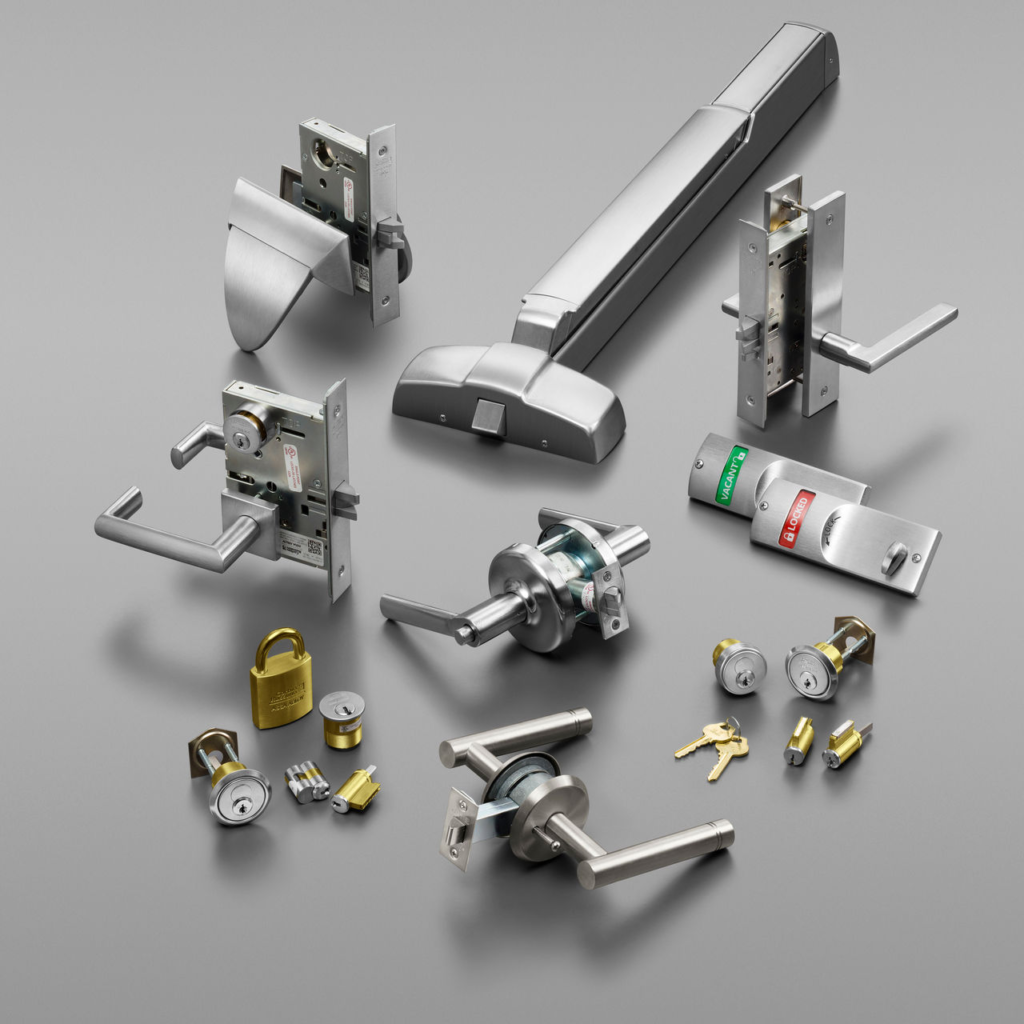
Beschreibung:
Schlösser und Riegel dienen der Sicherung von Industrietüren, verhindern unbefugten Zutritt und erhöhen den Schutz.
Kategorie:
Riegelschloss: bietet hohe Sicherheit und wird häufig bei Feuerschutztüren verwendet.
Vorhängeschloss: eine praktische Verriegelungsvorrichtung, oft für temporäre Türen genutzt.
Magnetschlösser: verwendet in Hochsicherheitsumgebungen wie Reinräumen oder sensiblen Bereichen.
Anwendungsort:
Hauptsächlich verwendet für Schwenktüren, Feuerschutztüren und Sicherheitstüren, beispielsweise in Pharmafabriken, Elektronikfertigungsstätten und Logistikzentren.
Dichtungen und Wetterleisten
Beschreibung:
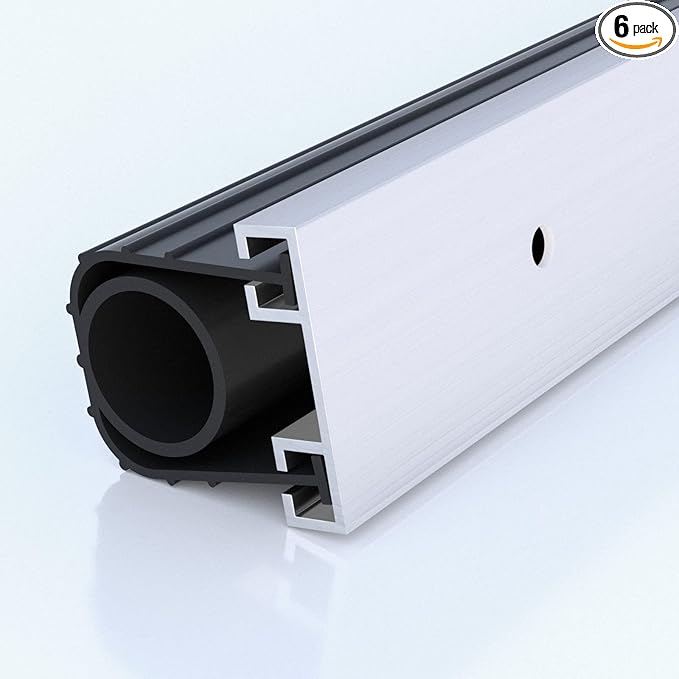
Dichtungen und Wetterleisten helfen, Luft, Feuchtigkeit, Staub und Schädlinge aus den Einrichtungen fernzuhalten. Sie sind besonders wichtig in temperaturkontrollierten Umgebungen.
Kategorie:
PVC Seal Strips: commonly used on lightweight doors to provide basic protection from drafts and dust.
Rubber seals: Used in areas that require stronger protection, commonly found in cold storage.
Magnetic seals: commonly used in high-speed doors, providing higher sealing performance.
Anwendungsort:
Used in cold storage facilities, high-speed doors, and environments requiring airtightness, such as cleanrooms and food processing plants.
Funktionen von Industrietürbeschlägen
Industrial door hardware has several key functions that directly affect the efficiency, safety, and longevity of the door. Below are the key functions of industrial door accessories:
Verbesserung der Türfunktionalität
Properly installed hardware ensures that the door will function as intended-smooth opening and closing, good sealing, and reduced friction. Components like tracks and rollers or motors are critical to the door’s smooth operation.
Erhöhte Sicherheit und Schutz
Industrial door hardware provides the necessary security features for the door body, with locks, latches, and security barriers ensuring that the door protects industrial facilities from unauthorized entry.
Erhöhte Haltbarkeit und Langlebigkeit
High-quality hardware significantly improves the lifespan of a door. Materials like stainless steel and galvanized steel are widely used in industrial door hardware to withstand heavy use and environmental challenges.
Verbesserte Energieeffizienz
Seals, weatherstripping, and insulation play a critical role in improving the energy efficiency of a door. Seals in insulated high-speed or roll-up doors help maintain the temperature inside the building and reduce energy consumption.
Wartung von Industrietürbeschlägen
Proper maintenance ensures the long-term operation of industrial door hardware. Here are the main ways to maintain your industrial door hardware:
Regelmäßige Inspektion
Regularly inspect door hardware for signs of wear and tear, checking components such as hinges, tracks, seals, and motors. Pay special attention to the alignment of the door to ensure that it opens and closes smoothly.
Schmierung
Regularly lubricate rollers and hinges to reduce friction and prevent premature wear. Use the proper lubricant to ensure that you don’t damage the materials of the hardware.
Reinigung
Clean tracks, seals, and sensors regularly to keep the door running smoothly. Dust, dirt, and debris may affect the long-term use of the door.
Fachwartung
For electric drive systems and hydraulic operating systems, it is recommended to have them inspected and maintained by a professional regularly. These components require specialized tools and techniques to ensure their long-term stable operation.
Langlebigkeit und Qualität von Industrietürbeschlägen
The longevity of industrial door hardware depends on several factors, including:
Quality of materials: stainless steel and galvanized steel are more durable than cheaper materials.
Nutzungshäufigkeit: Doors used at high frequencies, such as high-speed roll-up doors, require stronger hardware support.
Umgebungsbedingungen: Door bodies used in harsh environments (e.g., high temperatures, moisture or dust) can accelerate wear and tear.
Typically, industrial door hardware has a lifespan of 5 to 15 years, but components like motors and seals may need to be replaced more frequently.
Industrietürbeschläge in verschiedenen Ländern und Regionen
The use of industrial door accessories varies depending on environmental conditions, industry needs, and regional regulations. Here are some common regional applications:
Nordamerika
In North America, the demand for industrial door hardware comes mainly from the automotive manufacturing, logistics, and cold storage industries. Facilities like cold storage require highly insulated doors with specialized hardware to ensure temperature control.
Europa
In Europe, industrial doors are widely used in automotive manufacturing plants, warehouses, and food processing plants, among others. High-velocity doors and door bodies with enhanced sealing are particularly important in the pharmaceutical industry and cleanrooms.
Asien-Pazifik
Countries such as China, India, and Australia are experiencing rapid growth in logistics and manufacturing. There is an increased demand for high-security doors and automated doors to improve safety and operational efficiency, especially in high-precision industries such as electronics factories and pharmaceutical plants.
Fazit
Choosing the right industrial door hardware is critical to ensuring the safety, functionality, and longevity of your doors. By understanding the different types of hardware and their applicable functions, application scenarios, and maintenance requirements, organizations can better select the hardware solution that fits their needs.
Proper installation and regular maintenance can significantly extend the life of an industrial door, reduce repair costs, and optimize production processes. When selecting hardware, decisions need to be made based on frequency of use, environmental conditions, and budget to ensure the stability and efficiency of the door system.
FAQ: Häufig gestellte Fragen
1. What is industrial door hardware?
Industrial door hardware includes all the components used to ensure that an industrial door opens, closes, locks, and seals properly, such as hinges, locks, tracks, drive systems, and more.
2. How do I choose the best industrial door hardware?
When choosing, you need to consider the type of door, the frequency of use, the working environment, and the security needs, such as the need for fire protection or thermal insulation of the area, to choose the appropriate door and hardware.
3. How long does hardware last?
Door hardware typically has a lifespan of 5 to 15 years, depending on the frequency of use, materials, and environmental conditions.
4. How do I maintain my industrial door hardware?
Regularly inspect, lubricate, and clean all moving parts, keep motors and sensors in good operating condition, and call in a professional for maintenance when necessary.
5. Is the installation of industrial door accessories demanding?
Depending on the type of door and usage requirements, some hardware, such as an electric motor and hydraulic drive system, may require professional installation to ensure stable and efficient operation of the system.