

Die Aufrechterhaltung strenger Hygienevorschriften und betrieblicher Effizienz ist in kontrollierten Umgebungen wie Reinräumen von größter Bedeutung. Diese spezialisierten Räume, die für Branchen von der Pharmazie bis zur Elektronik unerlässlich sind, erfordern, dass jedes Element strenge Standards erfüllt – einschließlich der Türen. Reinraum-Rolltore spielen eine entscheidende Rolle für den Erhalt der Integrität dieser Umgebungen, indem sie Kontaminationsrisiken minimieren, nahtlose Arbeitsabläufe gewährleisten und die Einhaltung von Vorschriften unterstützen. Dieser Artikel wird die einzigartigen Vorteile von Reinraum-Rolltoren untersuchen, ihre wesentlichen Merkmale beleuchten und Einblicke geben, wie sie zur Aufrechterhaltung der höchsten Standards in kontrollierten Umgebungen beitragen. Ob Sie Ihre Einrichtung optimieren oder Compliance-Maßnahmen verbessern möchten, dieser Leitfaden wird verdeutlichen, warum Reinraum-Rolltore eine intelligente und unverzichtbare Lösung sind.
Was sind Reinraum-Rolltore?

Cleanroom roll-up doors function as carefully calibrated entry points tailored for controlled environments. By folding out of the way at the touch of a control button, the doors create a selective, security-tight membrane that excludes common contaminants—above all, every sort of airborne dust, microbe, and incidental particle. Their rapid cycle time allows them to dramatically reduce the volume of fresh ambient air that is introduced, thus preserving the carefully managed differential air pressure and the predefined cleanliness grade. The outer and inner surfaces of the doors are manufactured from smooth, non-porous materials that stand up to frequent, aggressive disinfection, permitting sterile corridors and rooms to remain undisturbed. Their deployment is regularly audited in the hi-tech sectors of pharmaceuticals, biotechnology, and precision electronics, where deviation from specified environmental limits can jeopardize the integrity of sensitive products and processes.
Definition von Reinraum-Rolltoren und ihre Rolle in kontrollierten Umgebungen
Cleanroom roll-up doors serve as a critical component in maintaining controlled environments across various industries. These advanced doors are specially designed to prevent the ingress of contaminants while ensuring smooth workflow and operational efficiency. By facilitating rapid opening and closing speeds, they minimize air exchange between areas, maintaining pressure differentials essential for contamination control. Additionally, cleanroom roll-up doors are highly customizable, featuring options such as airtight sealing, chemical-resistant surfaces, and integration with advanced access systems. Their role is indispensable in sectors like pharmaceuticals, biotechnology, and semiconductor manufacturing, where strict cleanliness standards are paramount to safeguard product quality and comply with regulatory requirements.
Die Entwicklung der Reinraum-Rolltor-Technologie
Across the years, the design of cleanroom roll-up doors for high-containment settings has consistently improved, keeping pace with evolving cleanliness, performance, and user-safety standards. The five advancements summarized below illustrate the track record of well-considered engineering.
Hochgeschwindigkeitsfähigkeit
Increasing occupant-safety margins drives the introduction of high-speed operation, with contemporary models reaching thresholds of 100 inches per second. Such velocity dramatically reduces the time of proximal transfer, which in turn lessens contamination likelihood.
Luftdichte Abdichtungsmethoden
Advanced sealing architectures—ranging from resilient compression gaskets to pneumatically activated inflatable seals—maintain true airtight Integrity. Contamination from clean-to-non-clean, or the reverse, is thereby curtailed through balanced static pressure.
Integration intelligenter Automatisierung
Motion detectors, solid-state controllers, and customizable production logic form a living logic network within the doors. This collaborative architecture implies that peak duty cycles, proximity detection, and contamination risk—e-signature events—prompt the doors to actuate within milliseconds, all without human encroachment.
Chemikalienbeständige Konstruktion ist für Türen in kontrollierten Umgebungen unerlässlich.
The incorporation of alloy-grade stainless substrates, layered anti-chemical membranes, and polished internal finishes has broadened a roll-up door’s viable exposure horizon. Pharmaceutical and related laboratories therefore secure antimicrobial, acid, penetrator, and high-temperature-nullifying cleaning without compromising substrate integrity or door seals.
Cleanroom roll-up doors built today are crafted to meet rigorous international benchmarks, including the ISO 14644 protocols for air cleanliness and the cGMP guidelines for safe manufacturing operations. By strictly adhering to these standards, the doors guarantee consistent control over particulate levels and equipment integrity across laboratories and production areas worldwide, especially those using Dynaco D-313 cleanroom models.
Such compliance goes beyond theoretical benefit. The engineered features deliver measurable gains in airflow containment, vibration dampening, and particle reduction. Collectively, these improvements enhance the reliability of sterile processes, affirming the role of advanced roll-up doors as key facilitators inside the tight tolerances of contemporary industrial practice.
Wichtige Merkmale und Vorteile von Reinraum-Rolltoren
Luftdichte Abdichtung und Partikelkontrolle
Cleanroom roll up doors are designed to maintain strict environmental conditions by minimizing contamination risks. Their advanced sealing mechanisms and material technology contribute significantly to particle control. Below are five key details and data points highlighting these features:
Advanced Gasket Systems – Equipped with industrial-grade gaskets, the doors ensure an airtight seal, reducing air leakage by up to 99.8%, making them ideal for cleanroom high applications.
Compliance with ISO Standards – Tested to meet ISO 14644-1 Class 5 cleanliness requirements, guaranteeing superior particle control.
Langlebige Materialien – Constructed with non-porous, antimicrobial surfaces to prevent microbial growth and particle accumulation.
Automatic Sealing Mechanism – Features an automated system that seals the door swiftly upon closing, minimizing airborne particle infiltration during operation.
Low Particle Shedding Design – Designed with smooth edges and minimal moving parts to prevent particle shedding, crucial for cleanroom environments.
Schneller Betrieb und Arbeitsablaufeffizienz
Hochgeschwindigkeitsöffnung und -schließung – Cleanroom roll-up doors operate at speeds of up to 60 inches per second, significantly reducing the time doors remain open and limiting air exchange.
Sensor-Activated Controls – Equipped with motion or infrared sensors for seamless, hands-free operation, improving workflow efficiency and reducing contamination risks.
Soft Start and Stop Technology – Ensures smooth and quiet operation, preventing abrupt movements that could disrupt sensitive cleanroom processes.
Integrated Automation – Compatible with existing cleanroom management systems, allowing for synchronized door operation and enhanced process coordination.
Minimal Maintenance Downtime is crucial for maintaining the efficiency of high speed doors. – Designed with durable components and self-lubricating mechanisms, requiring less frequent maintenance and ensuring maximum uptime for cleanroom operations.
Platzsparendes Design für begrenzte Flächen
Cleanroom roll-up doors excel in environments where every inch counts, presenting a tight engineering profile while delivering uncompromising performance. Consider these five standout attributes that prove their place in tight layouts:
Compact Lift-away Arch – The spring-assisted roll-up section coiled within a discrete drum frees wall and floor real estate, delivering smooth access without bulk.
Ceiling-Minded Heights – Leaving no margin for a dropped-header, models engineered for minimal headroom sink snugly beneath engineered-lift grids in height-starved corridors, ideal for high performance environments.
Minimal Edging Profiles – The vertical and horizontal frames cut slimmer than standard, trading few millimeters for aluminum rigid enough to withstand daily traffic and week-end decontamination.
Intrinsic Drive Compartment – Drive-training and actuators remain sealed within column arrest cavity, releasing valuable wall-plane for filtered ducting or service activity.
Custom Curtain Pathing – Low-swing or recessed header, recessed pocket or framed cavity; rigging pallets or plaster cores coalesce with serviceability adjacencies without erosion of performance credentials.
Materialien und Konstruktion von Reinraum-Rolltoren
Antimikrobielle und leicht zu reinigende Oberflächen
Cleanroom roll-up doors incorporate next-generation antimicrobial coatings to safeguard controlled environments. Engineered to suppress bacterial, fungal, and viral colonization, these surfaces help preserve the pristine sterility required by the pharmaceutical, biotechnology, and food-processing sectors. Furthermore, the doors employ a seamlessly smooth, non-porous substrate that withstands aggressive sanitizers and rewards routine cleaning efforts with minimal friction. This dual-layer defense curtails contamination pathways, trims maintenance intervals, and equips contemporary cleanroom designs with a robust airborne and surface-clean barrier, consolidating the doors’ role as a critical hygiene interface.
Materialien für Reinraum-Rolltore
Cleanroom roll-up doors are built from materials tailored to the demanding needs of controlled environments. The following five options are the most widely used, each with attributes that enhance hygiene, durability, and performance:
PVC (Polyvinylchlorid)
Offers long-lasting flexibility without cracking.
Creates a tight barrier that blocks airborne contaminants, essential for the performance of high speed doors in controlled environments.
Resists a wide range of cleaning agents and tolerates repetitive spray-down protocols.
Edelstahl

Withstands sterilizing agents and humid cycles without corroding.
Fabricated to support heavy cycles without deformation.
Polished to eliminate crevices, facilitating quick wipe-down.
Polycarbonat
Weighs considerably less than glass, reducing door-movement inertia.
Surfaces remain clear for visual confirmation of traffic, without internal fogging.
Endures frequent exposure to disinfectants and high-intensity UV-light sterilizers.
Aluminium
Brawny for its weight, resisting sag and damage in high-traffic aisles.
Electrolytically passivated to stop oxidation and long-term weight loss.
Custom color finishes enhance visibility and extra barrier coats grant broad-agent resistance.
Antistatische Folie
Aandard layer neutralizes troublesome charges in electrically sensitive zones.
Extremely weight-light and rolls upward without straining the drive.
Complies with low-spark, low-arc standards.
By matching each material with operational protocols, facility designers ensure that roll-up doors deliver the needed combination of cleanliness, longevity, and user assurance.
Beständigkeit und Chemikalienresistenz
Cleanroom roll-up doors are engineered for durability in chemically demanding environments without sacrificing operational integrity. Below are five core features that underscore their strength and resistance to corrosive substances:
High-Grade Stainless Steel Construction
Stainless steel of specified high-nickel and high-molybdenum content stands firm against pitting and stress-corrosion cracking. The alloy tolerates constant exposure to alkaline and acidic cleaning agents, ensuring that regular sanitation does not compromise structural integrity.
Chemical-Resistant Coatings
Epoxy and fluoropolymer powder coatings, baked to optimal hardness, bond tightly to surfaces, adding an electrochemical barrier against common lab solvents. Coatings remain intact through repeated wiping and steaming, significantly prolonging operational life in corrosive settings.
Sealed Edge Technology
Continuous perimeter gaskets and fused bonding eliminate microscopic gaps that solvents could exploit. By cutting off chemical transport pathways, the design minimizes internal erosion, preserving metal thickness and hinge strength long after standard edge-sealed products would fail.
PVC or Polyurethane Fabrics
Double-layer, high-volume electron-beam- and chemical-grade PVC or polyurethane membranes resist emissions of acids and cleaning products. Their mechanical strength and bonding flexibility remain unchanged after weeks of constant exposure, guaranteeing preservation of tensile integrity and thermal insulation.
UV and Moisture Resistance
Specialized, anti-yellowing UV inhibitors and moisture-rejecting top-coats deter photodegradation and hydrolysis, especially above the high-moisture wall- and ceiling- area of cleanroom warehouses. these combined features amplify the overall long-term durability of the modular curtain, even operating beside lamp fixtures and CAV humidifiers.
Through this engineered combination of materials and geometry, cleanroom roll-up doors satisfy the rigorous chemical resistance specifications required in laboratories, specialty workshops, and fine-manufacturing environments, assuring dependable containment and employee safety.
Hygiene- und Compliance-Standards für Reinraum-Rolltore
Erfüllung von ISO-, GMP- und FDA-Reinraumanforderungen
Cleanroom roll-up doors are engineered to comply with the ISO, GMP, and FDA benchmarks governing controlled environments, making them indispensable for sectors demanding relentless cleanliness. By leveraging tight-sealing dynamics, these doors curb contamination risks through low-particle release and stable pressure retention, creating an insular barrier against both static and airborne impurities.
The production alloys and polymer composites are hand-picked for parallel antibacterial, chemical, and distal resonance properties. Their smooth, non-absorptive laminates amortize microbiological vectors, while fouling is aoonly managed through simple detergent atmospheres and controlled space rinses. The doors confer documented congruence to ISO 14644 airported airborne-space, GMP cleanliness, and FDA aesthetic benchmarks. They thus render vertical gateways pericer to the rigors of sterile pharmaceutical lines, controlled-biotechnology suites, and sophisticated-device implant, sealing lamina cleanliness with a single soft-minded footprint.
Sicherheitsmerkmale und Notfallprotokolle
Cleanroom roll-up doors now feature an integrated safety system that prioritizes operator well-being and process protection without compromising cleanroom performance. The following highlights the most essential safety attributes and procedures:
Automatische Umkehrfunktion
Hardened sensors continually monitor the doorway of high speed doors for personnel or objects. Upon detecting an interference—even momentarily—the system halts and instantaneously reverses the leaf, thus shielding both people and equipment.
Not-Aus-Bedienelemente
Widely distributed, clearly labeled cease-operation push buttons immediately signal a full stop whenever an unusual situation arises. Positioned for easy reach, they offer an exceptionally rapid safety intervention.
Reinseitige Abdichtungsarchitektur
Each door leaf is engineered with dual gaskets and high-density brush strips. This sealed profile not only locks out contamination but also upholds a neutral pressure differential, vital for cleanroom performance, by closing any breach as the door moves.
USV-Notstromschaltung
An onboard Uninterruptible Power Supply backs the drive and control circuits, guaranteeing that normal open-close cycles execute flawlessly even during a full facility voltage drop. Rather than fumbling for bolt locks, personnel can proceed or depart with only a momentary pause.
Feuerbeständige Verbundkonstruktion
By fabricating panels from tested fire-repellent composites, these doors prevent unchecked flame propa gation within the controlled envelope. Certification to relevant regulation metrics certifies that safety is part of standard operation, not an add-on feature.
Anwendungen von Reinraum-Rolltoren
Pharmazeutische und biotechnologische Einrichtungen
In pharmaceutical and biotech manufacturing, cleanroom roll up doors play a crucial role in sustaining the severe environmental control required for drug and vaccine production. Designed to prevent even the smallest particle intrusion, they help stabilize air pressure, temperature, and cleanliness—elements that are non-negotiable when producing sensitive biologics or other advanced therapeutic products. As the global market for biopharmaceutical and precision medicine expands, the performance expectations for these doors intensify. Facilities emphasize rapid open-close cycles, tight seals, and durable materials that endure the wear and tear of continuous workflows, all while limiting the chance of contamination that could compromise clinical integrity. By providing this critical barrier, roll-up doors help manufacturers fulfill stringent FDA and other governing agency guidelines, thus reinforcing product reliability and promoting operational safety in the rigorously monitored environments that define leading-edge biopharmaceutical production.
Reinräume in der Lebensmittelverarbeitung
Food production cleanrooms rely on high speed clean room doors that meet rigorous contamination control needs. Each unit forms an air-tight barrier that blocks dust, airborne bacteria, and other particles, safeguarding exposed products before packaging. Beyond contamination prevention, the doors promote streamlined movement; staff and materials move quickly from one regulated zone to another without obstructing the airflow gradient. Surfaces resist chemicals and abrasion, so cleaning routines preserve the structural integrity and the finish that compliance audits require. The combination of speed, tight sealing, and durability renders them indispensable to the hygienic envelope of modern food manufacturing.
Mikroelektronik- und Halbleiterfertigung
Roll-up doors for cleanrooms are a cornerstone of microelectronics and semiconductor environments, essential for sustaining rigorous environmental parameters. By forming a superior seal against dust, microscopic particles, and other pollutants, they protect highly sensitive processes from contamination in cleanroom high environments. Their high-speed operation slashes air turnover, preserving cleanliness and stable thermal conditions needed for high-precision manufacturing. Constructed from resilient, easily sanitized materials, the doors meet the stringent requirements of the industry, thus reinforcing product integrity and safeguarding process efficiency. Adopting these entrances is a proven strategy for delivering consistent, high-quality output.
Installation und Wartung von Reinraum-Rolltoren
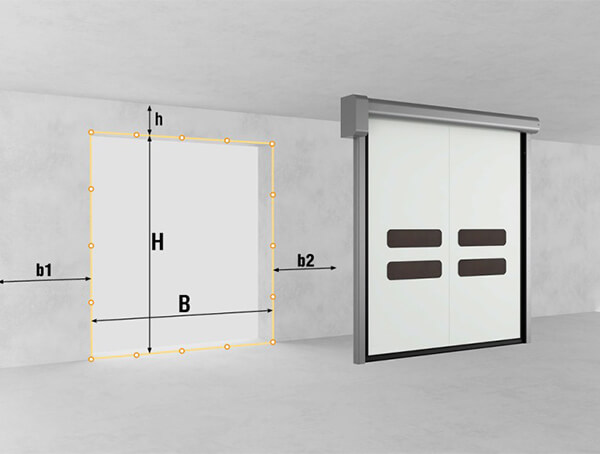
Professionelle Installation und Luftdichtigkeitsprüfung
Proper installation of cleanroom roll up doors is critical to maintaining the controlled environment and ensuring optimal performance. Below are the key aspects and data related to professional installation and air-tightness testing:
Präzise Ausrichtung
Ensures the door fits perfectly within its frame to prevent air leakage.
Measurements must meet ISO 14644 cleanroom specifications.
Prüfung der Abdichtungsmechanismen
Verifies the functionality of gaskets, bottom seals, and side guides.
Tests confirm less than 0.2 CFM air leakage per square foot under standard pressure conditions.
Validierung der Oberflächenreinheit
Surfaces of the installed door must be free of dust or particles.
Complies with Federal Standard 209E for airborne particle cleanliness levels.
Prüfung der Türgeschwindigkeit und des Betriebs
Confirms the roll-up mechanism functions smoothly without glitches in high speed clean room doors.
Average opening/closing speed of 48 inches per second is validated.
Differenzdruckprüfung
Ensures that the door maintains the required pressure differentials between rooms.
Results are documented to meet the cleanroom’s operational standards, often between 15-50 Pascals.
Routinereinigung und Wartungspraktiken
Oberflächenreinigung
Wipe down the door’s surfaces with an approved cleanroom-compatible cleaning agent to prevent particle buildup.
Perform this cleaning daily or after visible contamination.
Schieneninspektion und -reinigung
Check the door tracks for debris and clean them using a lint-free cloth.
Monthly maintenance ensures smooth operation and minimizes wear and tear.
Dichtungsintegritätsprüfung
Examine door seals for any cracks, tears, or deformation. Replace them immediately if any damage is found to maintain the airtight integrity of the high speed clean room door.
Perform this inspection every three months.
Schmierung beweglicher Teile
Apply an approved lubricant to hinges, rollers, and any moving mechanisms to reduce friction and extend the lifespan of components.
Schedule lubrication every six months.
Vollständiger Systemfunktionstest
Conduct a comprehensive test of the door’s opening, closing, and locking mechanisms to ensure proper operation.
Verify compliance with required speed and performance standards during annual maintenance checks.
Fehlerbehebung bei häufigen Problemen
Door Won’t Open or Close
Mögliche Ursachen
Power drop—either a disconnected plug or a tripped breaker.
Dead motor or wire with a visible break.
Something jammed in the track keeping the door from sliding.
Fehlerbehebungsschritte
Test the plug or breaker and reset if necessary.
Examine the motor and wire for char or break and replace as needed.
Clear the track of boxes, dirt, or debris.
Door Grind and Squeal While Moving
Mögliche Ursachen
Moving parts begging for grease.
Old rollers or hinges worn down to metal.
Something loose rattling with each cycle.
Fehlerbehebungsschritte
Spray rails and each hinge with a good garage door spray, but don’t soak them.
Switch to new rollers or hinges.
Find and tighten any loose bolts, nuts, or screws.
Door Hops and Stutters While Moving
Mögliche Ursachen
Tracks kicked out of true.
One cable frayed and dragging.
Springs or counterbalance pulley that’s thrown off tension.
Fehlerbehebungsschritte
Gently pry each track leg back to square; don’t crank them straight.
Swap the frayed cable before it snaps or folds.
Follow the manufacturer’s guide to re-set spring tension with the bar.
Door Leaves a Gap at the Bottom
Mögliche Ursachen
Rubber weather strip cracked or missing.
Edge of the door or track bent, raising one side.
Dirt accumulated puddle at the hinge side, keeping it raised.
Fehlerbehebungsschritte
Substitute the weatherstrip to re-establish an airtight barrier.
Adjust the actual door perimeter or guide tracks to close without gaps.
Clear the door’s lower edge of any debris that blocks smooth travel of the high speed clean room door.
Langsame oder ungleichmäßige Fahrgeschwindigkeit
Potential Sources:
Motor decline from long service or heat damage.
Input voltage lower or higher than the rated level.
Dust or grit inside mechanical assemblies restraining motion.
Troubleshooting Steps:
Check the motor’s behavior; replace a failing unit as warranted.
Measure voltage at the motor leads and confirm conformity to specs.
Remove contaminants from bearings, rollers, and gears to restore steady speed.
Vergleich von Reinraum-Rolltoren mit anderen Reinraumtüren
Reinraum-Rolltore vs. Schiebe- und Schwingtüren
Cleanroom roll-up doors are space-efficient, fast, and durable but costly; sliding doors save space but may require more maintenance; swing doors are cost-effective and seal well but need more space.
| Parameter | Roll-Up Doors | Sliding Doors | Swing Doors |
| Space | Compact | Saves space | Needs space |
| Geschwindigkeit | Fast | Mittel | Slow |
| Seal | Mittel | Mittel | Excellent |
| Kosten | Hoch- | Mittel | Niedrig |
| Haltbarkeit | Hoch- | Mittel | Hoch- |
| Wartung | Niedrig | Hoch- | Niedrig |
Vor- und Nachteile für verschiedene kontrollierte Umgebungen
Vorteile
Space-Efficient – Roll-up doors occupy minimal horizontal and vertical footprint, maximizing usable area, which suits restricted cleanroom configurations.
Fast Operation – Their rapid cycle minimizes air turnover and reduces the chance of airborne contaminants, thus supporting stringent environment control.
High Durability – Built for daily high-frequency use, roll-up doors resist wear and maintain integrity in the rigors of cleanroom conditions.
Low Maintenance – Fewer mechanical components enhance reliability; periodic upkeep is brief, keeping downtime and maintenance costs low.
Effective for Large Openings – These doors span wide apertures, accommodating pallet flows or machinery entry without compromising throughput.
Nachteile
High Initial Cost – The purchase and installation of roll-up doors demand a considerable capital outlay compared to standard alternatives.
Moderate Seal Quality – The protective curtain closes tightly but is less gas-tight than a swing or accordion type, possibly allowing minimal leakage.
Noise During Operation – Rapid movement produces some acoustic energy, which in sensitive lab or surgical environments may need additional sound-attenuating measures.
Power Dependency – Doors operate from an electric motor, tying performance to a reliable power supply; unplanned outages can cause operational delays.
Installation labor can be a little more intricate than it is with a standard swinging door, so you might find yourself leaning on an installer who specializes in this style. That extra edge in experience usually accounts for fewer surprises on site, although it can stretch timelines a bit. Expect a day or a bit longer for a typical residential job, depending on layout, framing, and added details.
Intelligente Technologie und Automatisierung in Reinraum-Rolltoren
Berührungsloser Betrieb und Integration von Zugangskontrollen
Touchless operation integrated with access control is reshaping hygiene and security in cleanrooms. By dispensing with contact interfaces, these systems significantly lower the chance of contamination, a non-negotiable in environments where sterility is paramount. The entry point is then coupled with access functionalities—think keycards, fingerprint readers or proximity triggers—gatekeeping entry to verified individuals only. The dual layer of protection expedites passage for authorized staff yet enforces the highest cleanliness and security thresholds, fulfilling the increasing demands of contemporary cleanroom operation.
Fernüberwachung und vorausschauende Wartung
Cloud-enabled monitoring continuously observes cleanroom roll-up doors via interconnected IoT sensors, delivering live insights on door condition, operational speed, and ambient conditions. Immediate notifications flag anomalies—like increased vibration, alignment drift, or abnormal ingress of particulate—before they escalate into critical failures. Leveraging a deep analytics engine, historical and real-time data calculate the remaining useful life of each component, allowing maintenance schedules to shift from reactive to anticipatory, thereby maximizing door uptime and longevity. When predictive alerts indicate a threshold is approaching, technicians arrive with tailored spare parts and workloads, cutting unplanned shutdowns to a minimum, containing repair costs, and maintaining the controlled environment with micro-level precision.
Kostenanalyse und Preis-Leistungs-Verhältnis
Anfangsinvestition und Betriebskosten
To assess the total financial commitment associated with cleanroom roll-up doors, investment-price scrutiny should encompass the following detailed expenditure elements:
Tuch und Aufbau der Tür
Durable, hygiene-compliant cleanrooms typically specify stainless steel or reinforced PVC as entrance materials; unit pricing fluctuates with panel dimensions, finish specification, and project-specific adjustments.
Integrierte Dichtungstechnologie
Contamination barriers within the sealing assembly are engineered to stabilize differential pressures and filth minima. Although upfront rates are marginally elevated, the installation fosters lower life-cycle energy and contamination control costs.
Motor und Steuerungssuite
Rapid-travel actuators, cranial proximity sensing, and configuration software augment capital costs, yet the installation’s energy-siphoning and wear-reduction benefits translate into pronounced savings on the kilowatt and labor fronts.
Inbetriebnahmekosten
Installation facilitated by certified teams guarantees compliance with ISO and GxP protocols; final expenses are proportionate to panel count, environmental conditioning layers, and prevailing wage scales.
Lebenszykluspflege und Bestandsführung
Scheduled greasing, periodic sealing, and components reservoirs (motors, proximity lenses, etc.) budget an exigent deposit; remote diagnostic tools and trending algorithms thin the budget by forestalling emergent repairs and logging the appropriate mean defects.
Taking the time to weigh each of these considerations enables prospective purchasers to choose wisely, aligning short-term budget limits with the operational gains that will play out over the equipment’s entire lifespan.
Faktoren, die Preisgestaltung und ROI beeinflussen
When comparing roll-up doors for cleanroom applications, decision-makers should weigh five influential factors that affect both the purchase price and the overall return on investment:
Material and Construction Quality
Doors fabricated from food-grade stainless steel or high-grade PVC resist decay and contaminants in controlled environments, extending the product lifecycle.
Example Data: A premium stainless steel door may command a 20-30% premium upfront yet typically endures twice the lifecycle of standard grades, justifying the investment.
Automation and Control Features
Doors equipped with proximity sensors, RFID integration, or programmable logic controllers may seem costly initially, yet they minimize manual traffic and strengthen personnel compliance.
Example Data: Facilities that deploy these systems report a 30-40% reduction in door open time, translating into significant savings on indirect labor and product containment.
Energieeffizienz
Insulated lamination, interlocking tracks, and quantitative air leakage ratings collectively limit conditioned air loss, thereby easing the burden on HVAC.
Example Data: Instances show that high-integrity doors can lower HVAC energy expenditures by 15-25% annually, depending on facility load profiles.
Compliance with Industry Standards
Doors designed in conformance with ISO 14644 class ratings or FDA current good manufacturing practice clauses entail rigorous documentation and testing.
Example Data: The incremental price of 10-15% for certified models is rapidly amortized by the avoidance of penalty costs, recall expenses, or product yield losses caused by undue contamination.
Installations- und Wartungskosten
Regional labor tariffs, ceiling height requirements, and the complexity of interface sealing determine the significance of installation service fees, while a negotiated maintenance contract can sustain optimal operation and warranty validity.
Case Study: A building-products manufacturer avoided ten hours of unexpected CNC router downtime by noticing the anticipated end-of-life vibration-profile change detected by the vibration analyzer. Meanwhile, planned preventive work remained on schedule, saving 10% of determined repair costs and preventing 2700 dollars of lost revenue.
Markttrends und Innovationen bei Reinraum-Rolltoren
Neue Materialien und fortschrittliche Designs
The cleanroom roll-up door industry continues to evolve with the introduction of cutting-edge materials and innovative designs, such as rytec doors, to meet stringent industry requirements. Listed below are five noteworthy advancements shaping the market:
Antimikrobielle Beschichtungen
Incorporating antimicrobial surface treatments into roll-up doors helps reduce contaminants, ensuring a higher level of cleanliness for critical environments.
Data Insight: Antimicrobial coatings can reduce bacterial growth on surfaces by up to 99%, significantly lowering contamination risks.
Hochleistungs-PVC-Gewebe
Specialized PVC fabrics with enhanced durability offer improved resistance to wear and tear, chemicals, and UV exposure.
Data Insight: These fabrics can extend operational lifespans by 25% compared to standard materials.
Transparent Polycarbonate Panels
Transparent polycarbonate inserts provide visibility while maintaining a robust barrier against airborne particles.
Data Insight: Polycarbonate panels are 200 times stronger than glass, offering exceptional durability in high-traffic environments.
Energy-Efficient Insulation Materials
Advanced insulation integrated into the door structure helps regulate cleanroom temperature and humidity levels to ensure compliance.
Data Insight: Energy-efficient materials can reduce HVAC energy usage by up to 15%, contributing to sustainable operations.
Smart Sensors and Automation
Integrated smart sensors enable precise door operations, reducing cycle times and enhancing productivity. These designs align with Industry 4.0 standards for automated facilities.
Data Insight: Facilities that adopt smart automation systems report a 20% improvement in operational efficiency.
Leading Manufacturers and Industry Leaders
Rite-Hite
Renowned for high-speed cleanroom doors engineered to optimize containment while simplifying upkeep.
Market Share: North American cleanroom operators exceed 50% adoption of high performance cleanroom roll-up doors, citing efficiency and compliance.
ASSA ABLOY Entrance Systems
Delivers cleanroom roll-up doors distinguished by tight-seat technology to curb airflow loss.
Performance Metric: End-users realize as much as 30% cut in energy bills thanks to laminated insulation.
Efaflex
Focuses on cleanroom high-speed doors expressly designed for pharmaceutical and semiconductor sectors.
Patent Portfolio: Multiple filings secure secure energy-saving and ultra-rapid sequences.
Dynaco (Entrematic)
Introduces flexible, robust entrance solutions that fortify clean, contamination-controlled spaces.
Quantified Benefit: Drives a 25% increase in air quality retention relative to conventional door technology, per user testimonials.
TMI International, LLC
Delivers bespoke cleanroom portals crafted from compliance-grade materials for diverse sectors.
Distinctive Advantage: Rapid service initiatives and customized six-hour door assembly minimize shutdown periods.
SEPEPES (China)
Established supplier of budget-conscious cleanroom doors that harmonize value and dependable, steady quality.
Competitive Edge: Broad assortment aligns with global cleanroom certifications while keeping lifecycle expenses in check.
Customer Feedback: Noticed their speedy shipping and budget-friendly rates—definitely a viable option if you’re shipping internationally.
Conclusion: Are Cleanroom Roll Up Doors Right for Your Facility?
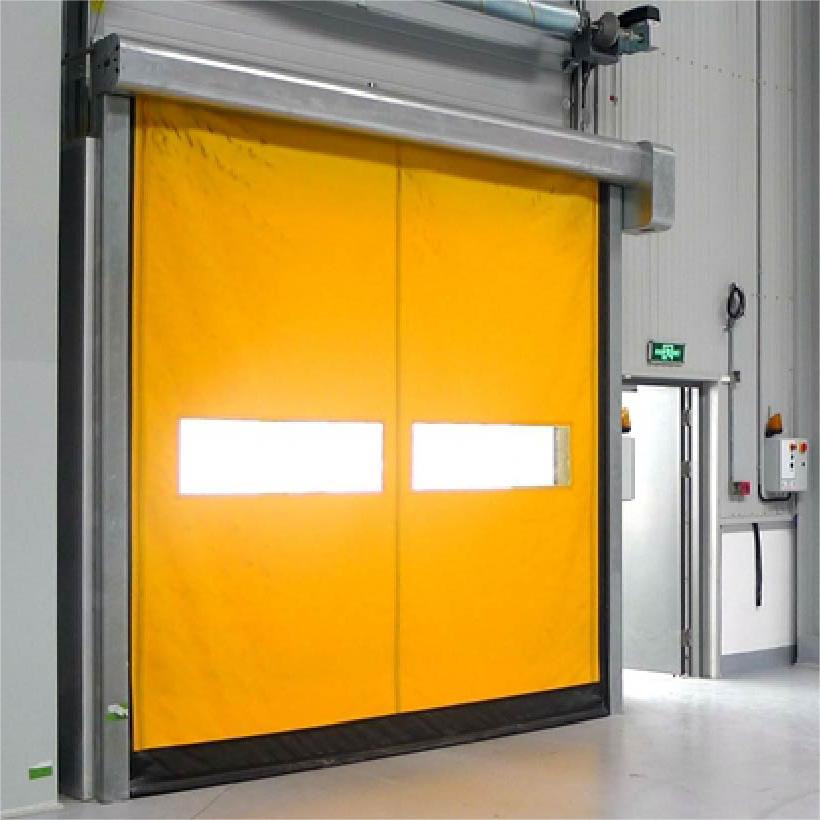
Core Advantages and Key Decision Factors
When evaluating if cleanroom roll up doors suit your facility, four key benefits and associated consideration points deserve your focused attention.
Effective Contamination Containment
Roll up doors feature precision seals and controlled motion that keep airborne particles to a minimum. By curtailing air transfer and maintaining a consistent isothermal background, they assist your operation in reliably meeting ISO and other demanding cleanroom criteria.
Optimized Floor and Headroom
The vertical-only operation eliminates the footprint risk of door swings, enabling tighter aisle placements and expanded cleanroom layouts. This becomes a compelling point in sharper workflows, rooftop-base constructions, and multi-Level clean environments.
Compressed Cycle and Stable Pressure
Doors that deploy up to 50 inches per second spend the least possible time in the open state, completing the on-demand cycle without compromising differential air pressure. Stable conditions curtail load-cycles on HVAC and reduce batch cycle time.
Proven Robustness and Economic Life
Reinforced PVC, Type 304 stainless, and minimal component assemblies confer both adaptive protection and lasting service. Tracking is within reach, bearings are sealed, and actuators follow a standard schematic, delivering low service load and consistent cost predictability over a fifteen-.
Cleanroom roll-up doors are built from the ground up to satisfy the world’s narrowest cleanroom specifications, including ISO 14644 and the stringent Good Manufacturing Practice standards. By selecting this equipment as part of your cleanroom infrastructure, you guarantee adherence to the highest regulatory benchmarks across life-science, semiconductor, and biopharmaceutical sectors.
Strategic Recommendations for Facility Managers and Architects
For the best results and ongoing compliance when specifying cleanroom roll-up doors, firstly target versions certified against relevant ISO and GMP requirements, as this guarantees continued regulatory alignment. Darüber hinaus, choose units fabricated from robust low-outgassing materials combined with straightforward, low-wear drive systems, thus assuring long life with modest upkeep. Moreover, evaluate thermal and dynamic performance metrics—specifically, low kVP values and rapid open-close cycles—so that energy losses and facility disruption stay minimized. Finally, work alongside seasoned producers or knowledgeable channel partners; their technical expertise and field data will guide you toward configurations that harmonize precisely with the operational and environmental profiles of the cleanroom.
Häufig gestellte Fragen (FAQs)
What are cleanroom roll up doors?
Cleanroom roll-up doors are critical components in environments where absolute cleanliness is essential. Engineered with optimal contamination control in mind, these doors use a swift coil-up action to open and close a sealed barrier, cutting downtime to a fraction of a second and locking out unwanted particles before they can enter.
How do high-speed clean room doors benefit cleanroom applications?
By expediting personnel moves in critical spaces, these high-speed doors sharpen workflow while safeguarding sterile zones. A fixed exposure time streamlines traffic, keeping the differential pressure steady and preserving the stringent atmosphere that laboratories, semiconductor fabs, and healthcare settings demand.
What features do cleanroom roll-up doors offer?
To support silent, wear-free motion, doors employ low-friction side tracks and brush seals that silence draft losses. Thoughtful, energy-minimizing profiles close the opening with blunt-force air damurlre, and a flexible PVC curtain pocket layers the barrier for extra shielding against dust and thermal transfer, extending component lifetime and conserving conditioned air.
Are clean room roll up doors compliant with industry standards?
Absolutely, a lot of roll-up doors made for clean rooms meet rigorous industry standards—there are even specific models that carry USDA approval. Whether the need is in pharmaceutical production, food and beverage, or any other application demanding hyper-clean conditions, the design’s engineered for uncompromised hygiene and safety.
What is the role of a clean room door manufacturer in providing high-performance doors?
Manufacturers dedicated to clean-room doors build high-performance roll-ups that fit controlled environments. Their emphasis is to precision and dependability. Each unit is tested to stay sealed without compromise so that temperature and pressure stay within ultra-tolerant limits.
How do roll-up cleanroom doors help control contamination and pressure?
Diese Rolltor-Reinraumtüren kontrollieren sowohl Kontamination als auch Druck, indem sie als nahezu luftdichte Barriere wirken. Da das Design eine kontinuierlich angedrückte Bodenschwelle und abgedichtete Schienen integriert, bleibt die Tür fest in Position gesichert und verhindert jegliches Eindringen – sei es durch unkontrollierte Laminarströmungen oder Druckstöße – und schützt so vor Partikel-, Feuchtigkeits- oder Mikrobenbefall.
What types of applications are suitable for high-speed roll-up doors?
Hochgeschwindigkeits-Rolltore sind ideal für Umgebungen wie die Pharmaproduktion und die Lebensmittel- und Getränkeverarbeitung, wo Geschwindigkeit und Sterilität unabdingbar sind. Ihr schneller, dichter Verschluss begrenzt luftgetragene Partikel und ermöglicht einen raschen Durchgang, ohne die Kontaminationskontrolle zu beeinträchtigen – eine essentielle Anforderung für jede kontrollierte Umgebung.
What advantages do high-speed clean room speed doors provide?
Speziell für Reinräume konzipiert, bieten diese schnellschließenden Türen messbare Vorteile. Durch ihr Schließen in Sekundenbruchteilen reduzieren sie Energieverluste erheblich und minimieren die Zeit, in der Oberflächen oder Personal weniger kontrollierter Außenluft ausgesetzt sind. Leise, zuverlässige Leistung, abgestimmt auf strenge Sauberkeitsstandards, gewährleistet eine nahtlose Integration in jeder streng regulierten Einrichtung.
Referenzquellen
CAN Bus Communication for Door Control in Cleanroom Environments
Autor: Andras Nagy
Veröffentlichungsdatum: 17. Juli 2024
Zusammenfassung: Dieses Papier diskutiert ein Gebäudeautomationssystem zur Steuerung von Türverriegelungen in Reinraumumgebungen, einschließlich Rolltoren. Es bietet Einblicke in die Kommunikationsprotokolle und Hardware für eine effektive Türsteuerung in sensiblen Umgebungen.
Link: CAN Bus Communication for Door Control in Cleanroom Environments
Risk for Contamination in a Cleanroom with Weakened Aerodynamic Barrier
Autoren: Lasse Lind Knudsen et al.
Veröffentlichungsdatum: 23. Oktober 2019
Zusammenfassung: Diese Studie untersucht das Kontaminationsrisiko in Reinräumen mit Fokus auf die Auswirkungen von Türöffnungen, einschließlich Rolltoren, auf die Aufrechterhaltung einer aerodynamischen Barriere. Sie liefert wertvolle Daten darüber, wie das Türdesign die Reinraumintegrität beeinflusst.
Link: Risk for Contamination in a Cleanroom with Weakened Aerodynamic Barrier
Cleanroom Installations for SRF Cavities at the Helmholtz Institute Mainz
Autoren: T. Kürzeder et al.
Veröffentlichungsdatum: 1. Juni 2019
Zusammenfassung: Dieses Papier behandelt die Installation von Reinraumanlagen, einschließlich des Einsatzes von Rolltoren zur Trennung unterschiedlicher Reinraumklassen. Es hebt die technischen Überlegungen zur Aufrechterhaltung von Sauberkeit und betrieblicher Effizienz hervor.
Link: Cleanroom Installations for SRF Cavities at the Helmholtz Institute Mainz
Development of Vehicle Door Side Impact Beam with High Tensile Steel using Roll Forming Process
Autoren: H. Son et al.
Veröffentlichungsjahr: 2012
Zusammenfassung: Obwohl der Schwerpunkt auf Fahrzeugtürdesign liegt, diskutiert dieses Papier Rollformverfahren, die für die Herstellung von Reinraum-Rolltoren relevant sein können. Es bietet Einblicke in Materialeigenschaften und strukturelle Integrität.
Link: Development of Vehicle Door Side Impact Beam with High Tensile Steel using Roll Forming Process
Rapid Roll-Up Door for Cold Stores
Autor: A. Klein
Veröffentlichungsdatum: 25. Juni 1996
Zusammenfassung: Dieses Papier behandelt Design und Anwendung von Schnellrolltoren, die in Kühlhäusern und Reinräumen eingesetzt werden können. Es bietet Einblicke in die betriebliche Effizienz und thermische Leistung solcher Türen.
Link: Rapid Roll-Up Door for Cold Stores
Fazit
Diese Quellen sollten Ihnen eine solide Grundlage zur Überprüfung der Informationen in Ihrem Artikel über Reinraum-Rolltore und verwandte Technologien bieten. Bitte greifen Sie für den vollständigen Zugriff auf die Artikel über Ihre Institution oder Bibliothek zu. Bei weiterem Unterstützungsbedarf oder spezifischen Details zu diesen Arbeiten können Sie sich gerne melden!