
The Importance of Choosing the Right Electric Hydraulic Dock Leveler
In any warehouse or distribution center, a reliable and efficient loading platform is essential to ensure smooth loading and unloading operations. Of the many types of loading platforms available, the Electric Hydraulic Dock Leveler is widely recognized for their versatility, ease of operation, and durability. Particularly suited to high-frequency loading and unloading environments, electro-hydraulic loading dock levelers can dramatically improve efficiency and minimize safety hazards caused by improper use.
This guide will help you understand the key factors to consider when choosing the best electro-hydraulic dock leveler, including load capacity, installation requirements, safety features, and maintenance requirements, and provide you with detailed advice on how to make the most appropriate choice.
What is an electro-hydraulic loading Dockausrüstungen?
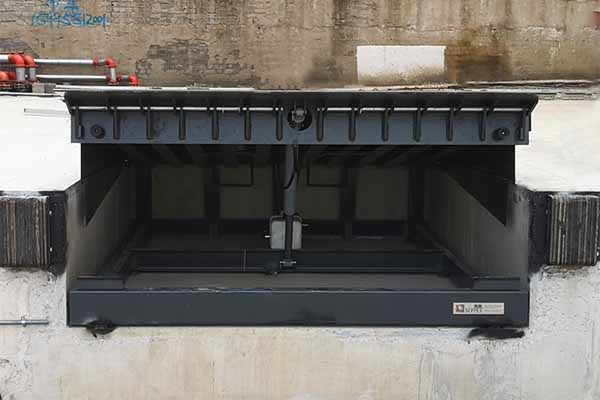
Before delving into the key factors in choosing a hydraulic loading dock, it’s important to understand the basic concepts of a hydraulic dock leveler.
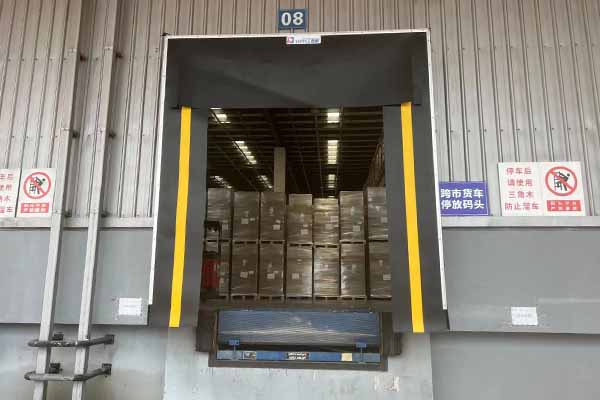
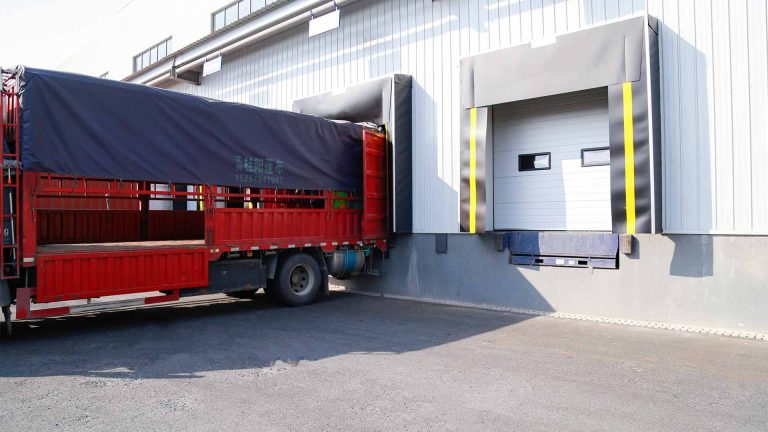
Definition: An electro-hydraulic loading dock is a loading device used to bridge the height difference between a truck and the warehouse floor. It utilizes a hydraulic system and electric controls to raise and lower the platform for fast, smooth material handling.
Working Principle: The platform is powered by an electric motor that drives the hydraulic system, enabling the platform to be precisely adjusted in height. This type of loading and unloading platform is easy to operate, responsive, and suitable for loading and unloading jobs that require frequent height adjustments.
Key Factors in Choosing the Best Electro-Hydraulic Loading Platforms
There are several things to consider when choosing the right electro-hydraulic loading platform. Here are the key factors to help you make the best choice:
Load capacity
Load capacity is a central factor when choosing an electro-hydraulic loading platform. It determines the maximum weight that the platform can handle.
How to choose the right load capacity
Choose the loading capacity of your loading dock based on the heaviest loads in your warehouse or distribution center. Make sure the platform’s load capacity exceeds or equals the maximum weight you need to handle in your daily operations.
Common load ranges
Hydraulic loading platforms typically range from 25,000 to 80,000 pounds. Choosing the right load range will ensure the stability and longevity of your equipment.
Platform Size and Adjustability
When choosing a platform, it is important to pay attention to size and adjustability, which determine the flexibility and adaptability of the platform.
Platform Length and Width
Make sure the platform is large enough to accommodate common truck types and cargo. Standard platform widths range from 72 inches to 96 inches. Custom sizes are available to meet special needs.
Height Adjustment
The height adjustability of a high-speed hydraulic loading platform is very important. The height adjustment range of the platform should cover the height of different trucks to ensure smooth loading and unloading.
Haltbarkeit und Materialien
The durability of a loading platform directly affects its service life and maintenance costs. Common materials include:
Steel: Most electro-hydraulic loading platforms are manufactured from steel, as they provide great load-carrying capacity and impact resistance. Steel platforms are usually suitable for heavier-duty loading and unloading environments.
Galvanized or anti-corrosion coatings: To improve the platform’s corrosion and weather resistance, many platforms are coated with anti-corrosion coatings or galvanized, which allows the platform to be used in harsh environments for extended periods.
Sicherheitsmerkmale
Safety features are not to be ignored when choosing an electro-hydraulic loading platform. A loading platform with a good safety design can prevent accidents and safeguard the operator.
Safety guards
High-quality loading platforms are usually equipped with automatic guards, such as automatic safety tongues and collision avoidance devices. When the platform comes into contact with goods or people, it can stop automatically to prevent accidents.
Safety locks and sensing systems
Some platforms are also equipped with automatic safety locks and load sensors, which can monitor the platform’s usage status and ensure that it cannot be operated in case of overloading or instability.
Energieeffizienz
Energy efficiency is critical to improving operational efficiency and reducing operating costs. An efficient electro-hydraulic loading platform not only saves energy but also reduces maintenance costs.
Efficient Hydraulic System
An efficient hydraulic system provides smooth operation and reduces energy waste. Choosing hydraulics with energy-saving technology can improve energy efficiency.
Dichtheit
Good sealing design prevents leakage of hydraulic fluid, thus increasing the overall efficiency and reliability of the system.
Installation Precautions for Electro-Hydraulic Loading and Unloading Platforms
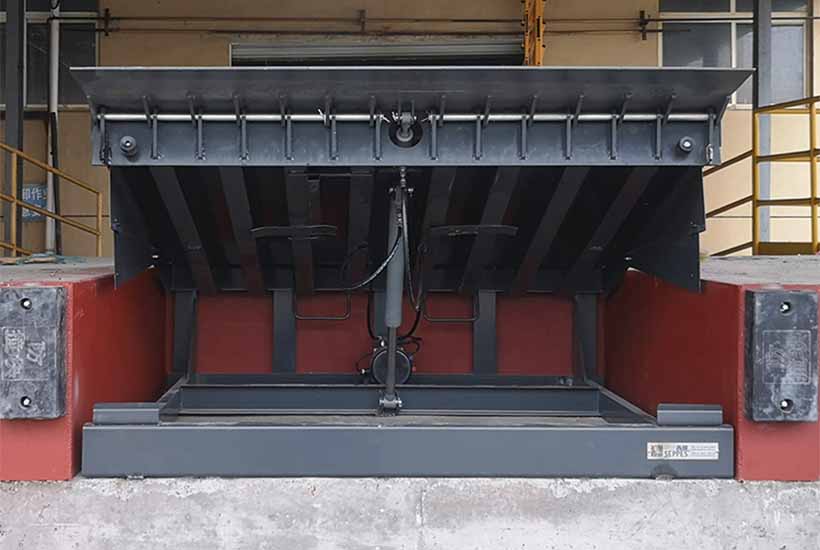
Installation Space Requirements
When choosing a loading platform, you must ensure that the size of the selected platform is compatible with the space of your warehouse or dock. The adequacy of installation space has a direct impact on the platform’s operational effectiveness and longevity.
Platform size and free space
When evaluating the installation space, in addition to the dimensions of the platform itself, the opening and closing space of the platform should also be considered to ensure that the platform is not restricted by space when operating.
Professional Installation vs. Self-Installation
Although the installation of an electro-hydraulic loading platform may seem simple, a professional installation service is essential to ensure that the equipment operates correctly.
Professional Installation: Choosing to have the platform installed by a professional ensures that the platform is installed precisely according to the manufacturer’s requirements and avoids potential installation problems.
Risks of self-installation: If self-installed, issues such as platform misalignment and unstable hydraulics may occur, which can affect the use and safety of the platform.
Regulatory Compliance and Standards
Electro-hydraulic loading platforms must comply with national or regional safety standards and industry regulations. For example, platforms should meet requirements such as ISO 9001 quality management systems, CE certification, or OSHA safety standards to ensure compliance with safety standards during use.
Maintenance and service life of electro-hydraulic loading platforms
Regelmäßige Inspektion und Wartung
To ensure that the electro-hydraulic loading platform operates efficiently for a long time, regular inspection and maintenance are essential.
Routine inspection: Überprüfen Sie, ob das Hydrauliksystem, das Getriebe, die Dichtungen und das elektrische Steuerungssystem ordnungsgemäß funktionieren. Regelmäßige Schmierung und Reinigung können das Auftreten von Fehlfunktionen und Schäden verringern.
Reinigung und Wartung: Eine saubere Plattformoberfläche verhindert die Ansammlung von Schmutz und Ablagerungen und gewährleistet den ordnungsgemäßen Betrieb der Plattform, insbesondere in Umgebungen mit hoher Nutzungsfrequenz.
Life expectancy
Die Lebensdauer einer elektrohydraulischen Ladebühne beträgt bei ordnungsgemäßer Wartung in der Regel 10–15 Jahre. Die tatsächliche Lebensdauer kann jedoch durch Nutzungshäufigkeit, Umgebungsbedingungen und Qualität der Wartung beeinflusst werden. Durch regelmäßige Inspektion und Wartung kann die Lebensdauer der Plattform erheblich verlängert werden.
Troubleshooting Common Problems
Zu den häufigsten Fehlerbehebungsproblemen gehören Hydrauliksystemlecks, motorisierte Steuerungsfehler und Plattformfehlausrichtungen. Die frühzeitige Identifizierung und Behebung von Problemen hilft, Ausfallzeiten zu minimieren und einen kontinuierlich effizienten Betrieb sicherzustellen.
Choosing the right supplier of electro-hydraulic loading platforms
Supplier reputation and experience
Die Auswahl eines erfahrenen Lieferanten mit gutem Ruf ist entscheidend, um die Qualität der Plattform und den Kundendienst zu gewährleisten.
Quality certification
Stellen Sie sicher, dass die von Ihrem Lieferanten gelieferten elektrohydraulischen Ladebühnen internationalen Standards entsprechen, wie z. B. ISO 9001-Zertifizierung und CE-Kennzeichnung, um eine zuverlässige Produktqualität sicherzustellen.
Customer support and warranty service
Qualitativ hochwertiger Kundensupport und Garantiedienste können die After-Sales-Wartung absichern. Die Wahl eines Lieferanten, der 24/7-Kundensupport und umfassenden Garantieservice bietet, ermöglicht es Ihnen, Probleme bei Auftreten schnell zu lösen.
Choosing the best electric hydraulic dock leveler
Bei der Auswahl der richtigen elektrohydraulischen Ladebühne sollten Sie mehrere Faktoren berücksichtigen, wie z. B. Tragfähigkeit, Installationsanforderungen, Sicherheitsmerkmale, Wartungsfreundlichkeit und Lieferantenservice. Durch die Wahl einer hochwertigen Laderampe können Sie die Betriebseffizienz, Sicherheit und Energieeinsparung in Ihrem Lager verbessern und somit einen höheren Wert für Ihr Unternehmen schaffen.
Häufig gestellte Fragen
1. Was ist eine elektrohydraulische Ladebühne?
Eine elektrohydraulische Ladebühne ist eine Vorrichtung, die die Plattformhöhe mithilfe eines elektrisch gesteuerten Hydrauliksystems anpasst und verwendet wird, um die Lücke zwischen Lager und LKW zu überbrücken, um den Güterumschlag zu erleichtern.
2. Wie wählt man die richtige Tragfähigkeit?
Bei der Auswahl der Tragfähigkeit sollte sichergestellt werden, dass die Tragfähigkeit der Ladebühne der Nachfrage der schwersten Last gerecht wird. Es wird empfohlen, eine etwas höhere Kapazität als die maximale Belastung zu wählen, um die Stabilität und Sicherheit der Plattform zu gewährleisten.
3. Wie oft muss eine elektrohydraulische Ladebühne gewartet werden?
Es wird empfohlen, monatlich eine Routineinspektion durchzuführen, um die ordnungsgemäße Funktion des Hydrauliksystems, des Getriebes und der Dichtungskomponenten sicherzustellen.
4. Für welche Branchen sind elektrohydraulische Laderampen geeignet?
Elektrohydraulische Ladebühnen werden häufig in Logistikzentren, Lagern, Fertigungsindustrien, Lebensmittelverarbeitungsbetrieben usw. eingesetzt. Sie eignen sich für den häufigen Güterumschlag.
5. Was sind die Vorteile der Wahl einer elektro- hhydraulischen dLade- lrampe?
Elektrohydraulische Ladebühnen sind einfach zu bedienen, steigern die Effizienz, sparen Zeit und eignen sich besonders für hohe Umschlagfrequenzen, während sie gleichzeitig die Sicherheit erhöhen und Unfälle reduzieren.
Dieser detaillierte Leitfaden hilft Ihnen zu verstehen, wie Sie die richtige elektrohydraulische Laderampe für Ihre Lager- und Anlagenanforderungen auswählen und ihren langfristig effizienten Betrieb sicherstellen.
Relevante Informationen
Mechanische Laderampen überzeugen in australischen Häfen und Häfen
Hydraulische oder mechanische Laderampen: Wichtige Unterschiede