📞WhatsApp 8617706217128

Porta Seccional Industrial: Soluções Versáteis, Seguras e Eficientes em Energia para Instalações Modernas

Quando se trata de instalações industriais, eficiência, segurança e durabilidade são fundamentais. Um elemento frequentemente negligenciado, que desempenha um papel crucial para alcançar esses objetivos, é a porta seccional industrial. Seja na gestão de um armazém, uma fábrica ou um centro logístico, a porta adequada pode melhorar significativamente as operações diárias. Este artigo examina como as portas seccionais industriais oferecem uma solução versátil, segura e energeticamente eficiente, adaptada às necessidades específicas das instalações modernas. Desde seus designs avançados até sua capacidade de apoiar a sustentabilidade e otimizar o fluxo de trabalho, descubra por que essas portas são um investimento essencial para qualquer espaço industrial.
O Que É uma Porta Seccional Industrial?
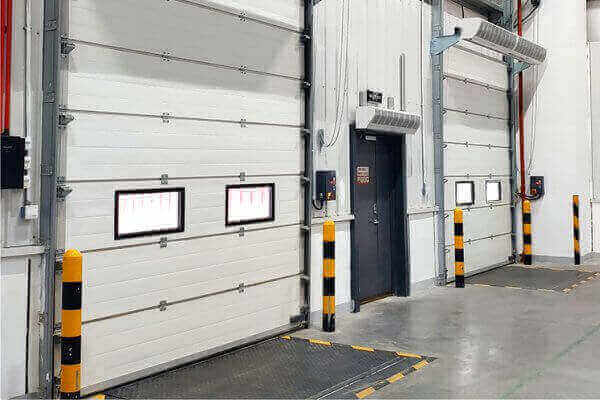
Uma porta seccional industrial de elevação é projetada especificamente para ambientes de alta exigência, abrindo verticalmente para que as secções articuladas se empilhem ordenadamente ao longo dos trilhos superiores. A sua construção robusta suporta uso constante enquanto ocupa um espaço mínimo no solo, tornando-a ideal para áreas de passagem frequentadas por pessoal, empilhadoras e veículos de entrega. Estas portas são comuns em armazéns, fábricas e docas de carga, onde oferecem segurança, excelente isolamento térmico e capacidade de harmonização com quase qualquer configuração arquitetónica.
Definição de Porta Seccional Industrial
As portas de secção enroláveis são agora ativos vitais em ambientes industriais contemporâneos, graças à sua praticidade e adaptabilidade. O seu design de elevação vertical elimina a necessidade de espaço livre no arco de abertura, libertando área útil no solo e melhorando a logística interna. Os painéis isolados minimizam a transferência térmica, apoiando os padrões de conservação de energia em zonas de produção e armazenamento. Construídas para suportar uso frequente, combinam uma estrutura de calibre pesado com ferragens de alto ciclo, permitindo operação contínua mesmo nas aplicações mais movimentadas. Vedantes de borda reforçados e sistemas de fecho de ponto único ou múltiplo reforçam ainda mais a proteção contra entrada não autorizada, salvaguardando mercadorias e equipamentos. A escolha de cores do painel, envidraçados e métodos de controlo do operador permite um alinhamento preciso com requisitos de marca e fluxo de trabalho, consolidando o papel das portas como um melhoramento rentável da produtividade e segurança.
Evolução das Portas Seccionais Industriais no Mercado
As crescentes expectativas industriais e uma ênfase cada vez maior no desempenho energético continuam a moldar as portas de secção enroláveis, com inovação constante e adaptável. Avanços recentes incluem painéis compostos de alta densidade e núcleos isolados em camadas concebidos para minimizar a transmissão de calor sem comprometer a resistência estrutural. A análise de mercado confirma que, globalmente, a procura por estas portas expandirá a uma CAGR de 5,9% entre 2023 e 2030, impulsionada principalmente pela expansão de armazéns e pelo avanço dos sistemas de logística automatizada.
A funcionalidade inteligente mantém-se uma força transformadora, com hubs IoT embutidos em dobradiças e ombreiras a gerar registos contínuos de estado e permitir ajustes remotos e responsivos. As sequências operacionais reagem agora à avaliação de carga em tempo real, reduzindo drasticamente a probabilidade de erro humano e incidentes subsequentes. As agendas de sustentabilidade, já não periféricas, levam um número crescente de fabricantes a substituir polímeros virgens por alternativas recicladas, enquanto o software regula ciclos de aquecimento de acordo com a envolvente térmica de um painel fechado, garantindo as mais recentes certificações ecológicas sem sacrificar a velocidade de acesso.
Em todo o setor, aumentou o interesse por portas de secção de alto desempenho projetadas para ambientes extremos, desde áreas de armazenamento refrigerado até instalações que manuseiam substâncias perigosas. Soluções personalizadas incluem agora conjuntos de trilhos e rolos reforçados para ambientes de alto desgaste, juntamente com revestimentos especiais concebidos para resistir a agentes corrosivos típicos nestes ambientes. Tais configurações sob medida permitem que os produtos de secção reforcem a sua quota de mercado, mesmo com o surgimento de novas práticas de construção e quadros regulamentares mais rigorosos. Aliada à I&D contínua, à integração de sistemas de controlo mais inteligentes e a projetos energeticamente eficientes, esta estratégia responsiva posiciona as portas enroláveis para um crescimento sustentado, especialmente à medida que as agendas de sustentabilidade corporativa se intensificam.
Características e Benefícios Principais da Porta Seccional Industrial
Construção Robusta e Escolha de Materiais
As Portas Industriais de Secção Enrolável combinam durabilidade com eficiência operacional, equipando-as perfeitamente para ambientes onde a fiabilidade é crítica. Abaixo está uma síntese de cinco características e materiais definidores que elevam a sua construção:
Painéis de Aço Galvanizado
Fabricados a partir de aço galvanizado de calibre pesado, estes painéis resistem tanto a impactos como a empenamentos, garantindo funcionamento fiável dia após dia em zonas com tráfego mecânico ou pedonal intenso.
Isolamento de Poliuretano de Alta Densidade
Integrado entre as chapas de aço, o núcleo de poliuretano de células fechadas fornece resistência térmica avançada para limitar a transferência de calor, reduzir despesas de aquecimento e arrefecimento e manter zonas de temperatura consistentes.
Revestimentos Resistentes à Corrosão
Tratamentos de superfície de última geração — incluindo pó termoendurecido e epóxi resistente a produtos químicos — criam uma barreira resiliente contra humidade, corrosivos e luz ultravioleta, prolongando consideravelmente a vida útil.
Componentes de Ferragens de Alta Resistência
Cada porta está equipada com rolos de precisão, molas testadas a dupla tensão e conjuntos de dobradiças zincadas que resistem à flexão e falha, garantindo um movimento fluido e silencioso sob ciclagem contínua.
Vedação Climática
Vedantes elastoméricos extrudados e colados fecham os perímetros entre o painel e o trilho, bloqueando correntes de convecção, chuva e poeira, mantendo assim a qualidade do ar e o controlo de temperatura ideais dentro de áreas operacionais críticas.
Recursos de Segurança Superiores das Portas Seccionais Industriais
Entradas de Alta Segurança Sem Emendas
Estas portas de secção industriais apresentam sistemas de bloqueio avançados que oferecem encriptação multicamada e anti-replicação automática de chaves, defendendo ativos proprietários e logísticos contra acesso não autorizado 24 horas por dia, 7 dias por semana.
Tecnologia de Dissuasão de Entrada Forçada
A engenharia refinada de anti-elevação entre painéis bloqueia automaticamente as trancas sob pressão ascendente, enquanto as flanges de segurança do trilho capturam e fixam conjuntos de rolos com pino; juntos, criam uma cortina virtualmente impenetrável contra intrusão forçada ascendente e tentativas de ataque.
Design Robusto Anti-Manipulação
Cada par de dobradiças, deslocamento de rolamentos e segmento de trilho utiliza camadas micro-ligadas e anti-rotação proprietárias, protegendo toda a periferia do hardware contra intervenções com ferramentas, calor e pressão. Uma porta montada atua como uma superfície contínua de cofre.
Integração de Vigilância Ativa
Nós de rede centralizados prontos a aceitar permitem ligação instantânea a ecossistemas existentes de controlo de acesso ou monitorização de perímetro. Ao detetar anomalias de posição da porta, vibração ou inclinação de dobradiça suave-intensificada — soam alertas, as fechaduras ativam as lâminas do motor e os painéis de administração de vigilância.
Seleção Estratégica de Materiais
Painéis de aço ligado com núcleo de polímero de calibre pesado ou alumínio tratado resistem tanto a impactos concentrados como a ataques de micro-soldadura, fornecendo uma face resistente e uma pele de deflexão eletrónica contra métodos de força bruta.
Isolamento Térmico e Eficiência Energética
O isolamento térmico e a eficiência energética estão entre as vantagens definidoras das portas industriais de secção enrolável modernas, vitais para controlar o clima e gerir o consumo de energia. Ao otimizar ambos, as empresas obtêm poupanças significativas e maior produtividade. Aqui estão cinco características essenciais que reforçam estas capacidades:
Painéis Isolados de Alto Desempenho
As portas mais recentes são fabricadas com painéis laminados que contêm núcleos rígidos de poliuretano ou poliestireno, proporcionando valores R que podem exceder 18 e oferecendo resistência excepcional à transferência de calor ou frio.
Vedação Climática
Igualmente importante, vedações perimetrais robustas e inferiores de varredura são projetadas para fechar as lacunas entre a porta e o batente, reduzindo a entrada de ar externo e impedindo que o ar condicionado escape.
Janelas de Vidro Duplo
Os painéis de visão integrados são frequentemente projetados com vidros duplos preenchidos com argônio, combinando visibilidade e isolamento aprimorado para limitar a troca térmica e o desbotamento por ultravioleta em produtos armazenados.
A Tecnologia de Ruptura Térmica é essencial para melhorar a eficiência energética de portas seccionais comerciais.
Certos sistemas de portas são ainda mais aprimorados por insertos de ponte térmica, posicionados estrategicamente nos trilhos e dobradiças para interromper o caminho condutivo, reduzindo assim o desvio térmico em áreas climatizadas.
Sistemas de Motores Energeticamente Eficientes
Finalmente, motores assíncronos de acionamento direto ou modulados por torque são programados para regular as fases de aceleração e desaceleração, gerando até 50% menos custos operacionais, enquanto convertem energia elétrica em força cinética com eficiência ideal.
Redução de Ruído e Impermeabilização
A otimização da amortização sonora e a resistência aos elementos climáticos são críticas para maximizar o conforto e a eficácia dos sistemas de portas contemporâneos. Os cinco avanços a seguir geralmente atendem a esses critérios de desempenho:
Inserções de Núcleo Acústico
A integração de núcleos de amortecimento sonoro de alta densidade, fabricados com compósitos de espuma polimérica, reduz drasticamente a transmissão de som pelo ar. Esses núcleos leves absorvem energia acústica, melhorando o silêncio e a privacidade do ambiente.
Mecanismos de Vedação Contínua
Gaxetas contínuas projetadas de silicone com memória reagem às forças de fechamento da porta, preenchendo juntas microscópicas do batente. Ao proibir tanto o desvio sonoro quanto as correntes de ar térmicas, as vedações também adicionam eficácia duradoura de barreira contra a entrada de umidade.
Estrutura Laminada-Composta
Portas montadas a partir de compósitos colados em camadas — madeira externa, invólucro térmico de XPS e polímero inerte — oferecem sinergia de massa e isolamento. A sinergia do laminado resulta em atenuação impressionante de decibéis e resistência a estresse térmico e fluido extremos.
Proteção de Perfil de Borda
Vedações moldadas proprietárias, rebitadas estrategicamente nas bordas perimetrais, enfrentam vento lateral, chuva vertical e picos extremos de temperatura. As vedações impedem o vazamento de ruído através de vazios perimetrais, que de outra forma seriam vulneráveis.
Equilíbrio de Pressão Interna
Alguns sistemas de portas empregam câmaras embutidas que regulam automaticamente os gradientes de pressão interna. As câmaras equalizam as forças do vento externo, reduzem a entrada de som induzida por pressão e estendem a resistência à chuva impulsionada pelo vento.
Coletivamente, esses elementos de design inovadores transformam o desempenho padrão do produto em uma barreira energeticamente eficiente e de controle de ruído, que eleva significativamente o conforto interior e a proteção climática.
Tipos de Portas Seccionais Industriais
Porta Seccional Industrial Manual vs. Automatizada
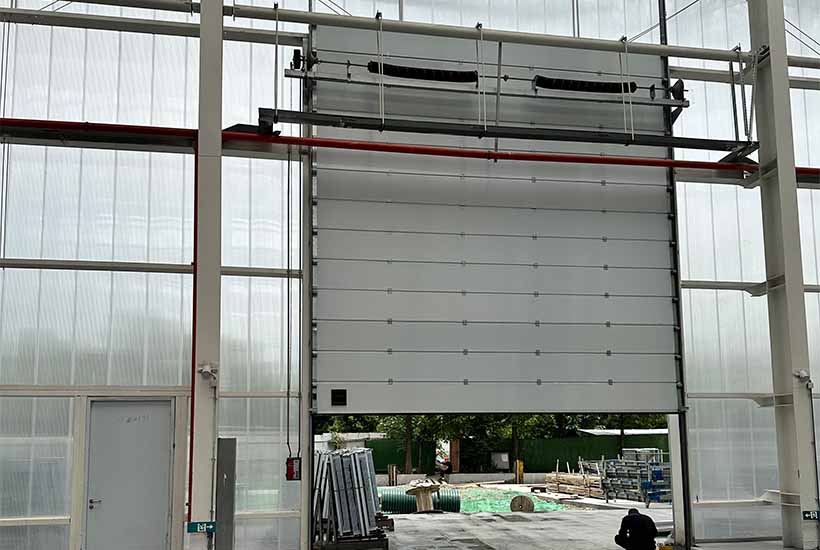
As portas seccionais industriais manuais são econômicas, simples e de baixa manutenção, mas exigem esforço físico e carecem de recursos avançados, enquanto as portas automatizadas oferecem conveniência, segurança e eficiência, mas são mais caras e exigem manutenção regular.
Resumo Tabular:
| Parâmetro | Portas Manuais | Portas Automatizadas |
| Custo | Baixo custo inicial | Alto custo inicial |
| Operação | Esforço físico | Controle por botão/controle remoto |
| Manutenção | Mínima | Verificações regulares |
| Velocidade | Mais Lenta | Mais Rápida |
| Segurança | Fechaduras básicas | Recursos avançados |
| Necessidade de Energia | Nenhuma | Requer eletricidade |
| Conveniência | Limitada | Alta |
| Adequação | Áreas de baixo tráfego | Áreas de alto tráfego |
| Durabilidade | Longa durabilidade | Dependente da manutenção |
| Uso de Energia | Nenhuma | Maior, porém eficiente |
Designs de Painéis Personalizáveis e Opções de Janela
Configurações flexíveis de painéis e seleções de janelas capacitam os usuários a criar sistemas que combinam estilo pessoal e demandas funcionais. As opções contemporâneas exibem uma variedade de substratos, matizes e acabamentos táteis, integrando-se perfeitamente a qualquer vocabulário de design. Variantes de painéis envidraçados permitem controle sobre a transmissão de luz do dia e as linhas de visão externas, otimizando o desempenho térmico e elevando o humor. Devido a essa adaptabilidade, o sistema atende tanto residências particulares quanto interiores corporativos, alcançando o equilíbrio ideal entre aparência personalizada, resiliência de longo prazo e usabilidade no mundo real, onde quer que seja instalado.
Portas Especializadas para Aplicações de Alto Tráfego, Armazenamento a Frio e Salas Limpas
Ao considerar soluções para ambientes que sofrem tráfego intenso de pedestres combinado com uma necessidade imperativa de conservação de energia ou higiene, portas especializadas se mostram indispensáveis em setores-chave. Portas de alto tráfego suportam ciclos ininterruptos, fabricadas com ligas resilientes ou núcleos compostos que aliam velocidade à resistência ao desgaste. Consequentemente, armazéns, hospitais e áreas comerciais descobrem que funcionários e pacientes se movimentam com fluidez, minimizando o desgaste no piso e no sistema de acionamento de energia. Simultaneamente, portas para câmaras frias combinam tecnologia de isolamento com movimento deslizante ou de dobra, criando uma barreira hermética que reduz quilowatts-hora e prolonga a vida útil da colheita e da vacina. Especialistas celebram o híbrido de lábios de vedação e resistência do motor que evita a formação de gelo na palete.
As portas para salas limpas avançam a mesma filosofia de movimento aliado à tarefa protetora com uma camada adicional de esterilidade. Suas estruturas abrigam vidro isolado ou diafragmas de zinco perfurados, enquanto almofadas pneumáticas e conjuntos de came de travamento positivo minimizam caminhos de vazamento que alteram as contagens de partículas. Fabricantes, laboratórios e hospitais que operam nos padrões ISO classe 5 a 9 valorizam o flush de 90 mm, as juntas sem contas e as gaxetas de grau platina escovado. Bolsos de desvio de palhetas difundem redemoinhos que trazem germes a montante, enquanto um fluxo de baixa velocidade autossilencioso limpa automaticamente rolamentos e dobradiças. Cada variedade — velocidade, térmica ou microbiana — prospera em uma métrica distinta de economia de custos silenciosa, unindo-se em torno do mesmo imperativo operacional: atender à alta demanda, proteger o invólucro controlado e nunca ceder ao tempo ou às toxinas.
Materiais e Construção da Porta Seccional Industrial
Painéis de Aço, Alumínio e Compostos – Detalhes e Dados
As portas seccionais industriais podem ser personalizadas para tarefas e ambientes específicos, selecionando os materiais de construção ideais. Aqui está um resumo das opções mais frequentemente utilizadas, destacando resistência, eficiência e adequação para condições precisas.
Seções de Aço Galvanizado
Construção: Chapas de aço de alta espessura tratadas quimicamente para formar um invólucro externo à prova de ferrugem.
Implantação: Escolhida para portas perimetrais e internas em centros de distribuição, terminais de carga e manufatura pesada.
Benefícios: Capacidade de carga impressionante sem flacidez; a manutenção se limita à limpeza periódica; a camada protetora de zinco garante durabilidade a longo prazo.
Estruturas de Alumínio
Construção: Extrusões de alumínio reforçado, envolvendo enchimento de polipoliuretano com ruptura térmica.
Implantação: Centros logísticos que necessitam de ciclos suaves e showrooms urbanos onde a aparência é crítica.
Benefícios: Os painéis deslizam facilmente por pesos integrados; resistência à composição do ar marinho; acabamentos escovados e cores melhoram os exteriores.
Lajes Compostas Isoladas
Construção: Núcleo interno de poliisocianurato substituído entre revestimentos de aço, proporcionando rigor e desempenho térmico.
Implantação: Usado em centros de distribuição refrigerados e ambientes limpos controlados.
Benefícios: As temperaturas internas permanecem estáveis acima das externas; menor volume de compressor necessário; atmosfera silenciosa contribui para a eficiência da equipe.
Revestimentos Compostos de Fibra de Vidro
Construção: Substrato saturado de resina em forma de U, em camadas para resistência, com acabamento para interromper a retenção microbiológica.
Implantação: Salas de laticínios, salas de preparo de carne e qualquer planta de processamento onde a higiene é fundamental.
Benefícios: Os painéis resistem a agentes de limpeza cáusticos e ciclos térmicos sem bolhas; o núcleo leve reduz a carga suspensa.
Seções de Envidraçamento de Policarbonato
Construção: Chapas duplas com micro-nervuras seladas em uma estrutura térmica circunferencial costurada.
Implantação: Laboratórios de horticultura, hangares de aeroportos e armazéns onde a luz do dia e a segurança sem pontos cegos são obrigatórias.
Benefícios: A barreira infravermelha mantém os interiores mais frios; segura contra danos de ferramentas pequenas; a resistência de longo prazo limita riscos monetários e de segurança.
A escolha de materiais e configurações de painéis aqui oferece desempenho excepcional, permitindo que cada porta atenda às necessidades operacionais precisas sem comprometer a longevidade ou a eficiência energética.
Núcleos de Isolamento e Acabamentos Superficiais
Para ajudá-lo a selecionar a configuração de painel perfeita, aqui está uma análise dos núcleos e acabamentos de superfície, apresentando suas principais características e usos pretendidos:
Núcleos de Isolamento
Espuma de Poliuretano (PU)
Características: Resistência térmica excepcional, baixo peso, estrutura rígida.
Usos: Escolha excepcional para portas energeticamente eficientes, caixas refrigeradas e áreas de alta temperatura controlada.
Poliestireno Expandido (EPS)
Características: Econômico, baixo peso, resistência térmica decente.
Usos: Amplamente adotado em portas de garagem residenciais e projetos comerciais que necessitam de controle térmico moderado.
Lã Mineral
Características: Inerentemente à prova de fogo, isolante acústico, retenção térmica superior.
**Usos:** Ideal para portas industriais onde a conformidade com normas de incêndio e controle de ruído são obrigatórios.
**Núcleo de Papel em Colmeia**
**Características:** Conteúdo reciclado, extremamente leve, totalmente reciclável.
**Usos:** Escolhido para projetos onde credenciais ecológicas e peso mínimo são fatores decisivos.
**XPS (Poliestireno Extrudado)**
**Características:** Resistência à compressão excepcional, barreira à umidade e alto desempenho térmico.
**Usos:** O padrão para aplicações exigentes que necessitam de proteção rígida contra umidade e eficiência térmica.
Acabamentos Superficiais
**Aço com Pintura em Pó**
**Benefícios:** Fortes propriedades anticorrosivas, resistente ao desgaste, ampla paleta de cores e texturas.
**Alumínio Anodizado**
**Benefícios:** Resistente a arranhões, proporciona um visual refinado, suporta condições climáticas severas por anos.
**Fibra de Vidro Texturizada**
**Benefícios:** Leveza, imune às intempéries, oferece um acabamento único.
**Folheado de Madeira**
**Benefícios:** Calor natural, tonalidades personalizáveis, elegância clássica.
**Laminação em PVC**
**Benefícios:** Fácil de limpar, resistente a impactos, múltiplas cores e designs de superfície.
Essas opções oferecem a liberdade de moldar cada detalhe, desde o desempenho funcional até a estética, atendendo a diferentes requisitos e preferências.
Durabilidade e Resistência à Corrosão
Quando os materiais são selecionados para um projeto, sua capacidade de resistir tanto à perda de resistência quanto a todas as formas de ataque ambiental influencia a decisão final. As cinco opções a seguir apresentam desempenho excepcional tanto em durabilidade quanto em resistência à corrosão.
Aço Inoxidável
**Durabilidade:** Combina alta resistência à tração e uma natureza quase à prova de amassados.
**Resistência à Corrosão:** Mantém uma película imaculada e não oxidante, recusando-se a corroer tanto na água do mar quanto em vapores químicos.
Alumínio
**Durabilidade:** Uma alta relação resistência-peso da liga, creditada em elevadores e pontes.
**Resistência à Corrosão:** Os desenvolvedores confiam em uma película de óxido autocurativa formada naturalmente que se regenera, prevenindo a corrosão espontânea do metal.
Plástico Reforçado com Fibra de Vidro (PRFV)
**Durabilidade:** Fibras de baixo brilho e resistentes a arranhões, que sobrevivem a sucessivos golpes em testes de manutenção.
**Resistência à Corrosão:** Resistência de prancha de surfe, combinada com tecidos tropicais robustos, ainda assim livre de todos os ácidos e variações de temperatura.
Aço Galvanizado
**Durabilidade:** Mapeia a resistência à tração de uma seção nítida de 2 milímetros, projetada para ser robusta e confiável.
**Resistência à Corrosão:** O zinco puro domina o alvo desde o início, e por mera referência onde a oxidação é questionável, o desempenho na comunidade permanece.
Titânio
**Durabilidade:** Uma resistência temática propositalmente ancorada em limites de fadiga comprovados e estudados.
**Resistência à Corrosão:** Pratos de registro, colares de mísseis e tampas de aceleração, a mesma película de óxido.
Comum a esses cinco materiais é a capacidade de durar mais do que opções inferiores. Caminhos resilientes permanecem competentes por mais de quarenta anos em túneis e ambientes marcados por vapores químicos.
Aplicações das Portas Seccionais Industriais
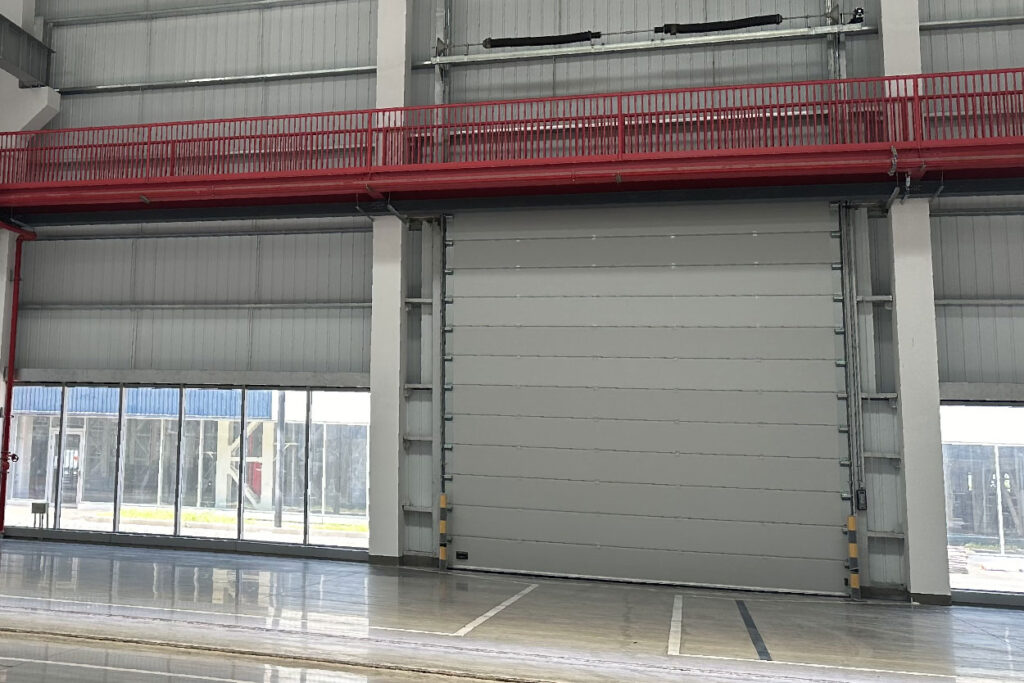
Armazéns, Centros de Distribuição e Fábricas
As portas industriais seccionais de elevação apresentam alta adaptabilidade e desempenham um papel fundamental em diversos tipos de instalações. A seguir, casos de uso específicos que ilustram seu valor:
Armazéns
**Objetivo:** Garantir zonas de carga e descarga rápidas e seguras.
**Vantagem:** Processos otimizados aceleram as operações e fortalecem o controle de acesso.
**Estatística:** Uma pesquisa recente da XYZ Logistics constatou que mais de 85% dos armazéns contemporâneos dependem de portas seccionais para tarefas diárias.
Centros de Distribuição
**Objetivo:** Suportar remessas e devoluções frequentes com a série extrema™ de portas de alto desempenho.
**Vantagem:** Ciclos confiáveis e rápidos, impulsionados por sistemas automatizados de portas robustos.
**Estatística:** De acordo com a ABC Research, a produtividade melhora em 20% quando os centros de distribuição usam portas seccionais que abrem e fecham automaticamente durante o pico de carga.
Fábricas
**Objetivo:** Mover matérias-primas e produtos acabados entre zonas de produção.
**Vantagem:** Economiza tempo de movimentação e reduz o desperdício de energia, com unidades isoladas que mantêm as zonas de temperatura estáveis.
**Estatística:** Análises mostram que portas com alto valor R podem reduzir os gastos com energia em 30% anualmente.
Instalações de Armazenamento a Frio
**Objetivo:** Manter um clima controlado para estoques perecíveis ou sensíveis à temperatura.
**Vantagem:** A vedação de precisão reduz a troca térmica em portas de visão total, protegendo os itens armazenados do risco de deterioração.
**Estatística:** Estudos de desempenho energético confirmam um aumento de 25% na eficiência do sistema alcançado através de portas seccionais hiperisoladas.
Centros de Serviço Automotivo
**Objetivo:** Permitir entrada e saída rápidas e seguras para as baías de serviço.
**Vantagem:** Melhora tanto o fluxo de trabalho dos técnicos quanto o tempo de espera do cliente.
Pesquisas recém-lançadas revelam que 70% dos centros de serviço automotivo estão optando por portas seccionais de elevação, principalmente porque agilizam o fluxo de trabalho e aumentam o apelo visual.
Instalações Automotivas e Boxes de Serviço
As portas seccionais industriais estão entre os investimentos mais estratégicos para instalações automotivas e baías de serviço. Seu impacto multidimensional agiliza as operações enquanto protege os recursos. Apoiadas abaixo por métricas quantificáveis, as características listadas delineiam o retorno garantido com cada porta instalada.
Desempenho Energético
**Descrição:** Portas seccionais livres de pontes térmicas são projetadas para limitar a troca de calor, mantendo o ar aquecido ou resfriado no interior e reduzindo a carga nos sistemas de HVAC.
**Métrica:** Auditorias independentes documentam consistentemente uma redução de 20-30% nos gastos com energia diretamente atribuível à instalação de portas seccionais de alto isolamento.
Robustez Operacional
**Descrição:** Construídas com aço multicamadas ou fibra de vidro, as portas resistem a colisões repetidas e à corrosão, maximizando a vida útil em ambientes de transporte e serviço.
**Métrica:** Dados compilados de principais fabricantes de portas indicam que a série de portas de alto desempenho tem uma vida operacional média entre 15 e 20 anos, condicionada à manutenção preventiva regular.
Aceleração do Fluxo de Trabalho
**Descrição:** Sistemas de porta equipados com operadores de velocidade variável e alto torque abrem totalmente em segundos, permitindo que os veículos entrem e saiam com tempo ocioso mínimo entre os serviços.
**Métrica:** Estudos de tempo e movimento demonstram um aumento de 40% na produtividade de atendimentos onde portas seccionais de alta velocidade são implantadas.
Prevenção de Intrusão
**Descrição:** Substratos super-resistentes, barras de travamento à prova de violação e controles de acesso programáveis reduzem o roubo oportunista de ferramentas e veículos dentro das baías de serviço.
**Métrica:** Três anos após a instalação de portas eletrônicas, diretores de instalações registram uma queda de 50% em crimes contra o patrimônio, de acordo com feedback de seguros e prevenção de perdas.
Aparência Profissional
**Detalhes:** As linhas contemporâneas e contínuas das portas seccionais industriais conferem aos edifícios uma aparência refinada e pronta para negócios, elevando a percepção geral da propriedade.
**Dado:** Oito em cada dez centros de serviço automotivo afirmam que a aparência aprimorada influenciou sua decisão de instalar portas seccionais sob medida.
Processamento de Alimentos, Armazenamento a Frio e Logística
As Portas Seccionais de Elevação Industriais Avançadas são ativos indispensáveis no processamento de alimentos, armazenamento refrigerado e operações logísticas, contribuindo para eficiência, segurança e conformidade regulatória. Considere estas cinco percepções que quantificam seu impacto:
Controle de Temperatura
Ambientes térmicos controlados são vitais para salvaguardar a integridade dos alimentos e aderir aos códigos de segurança. Portas seccionais adequadamente isoladas criam vedações de ar herméticas que mantêm as faixas de temperatura designadas. Instalações que adotaram essas portas se beneficiam de gastos com energia relatados caindo 30% ou mais, uma consequência direta da minimização de pontes térmicas.
**Conformidade com Higiene**
Para cumprir protocolos rigorosos de segurança alimentar, as portas seccionais são projetadas com princípios de design higiênico que eliminam frestas. Suas superfícies lisas permitem desinfecção rápida e completa, reduzindo a janela de exposição a contaminantes. Na prática, mais de 90% dos processadores selecionam portas que possuem certificação HACCP, destacando a ligação entre o design da porta e a credibilidade regulatória.
**Acesso Rápido**
Em ambientes onde cada segundo conta, portas seccionais de alta velocidade permitem entrada e saída rápidas, contendo perdas de temperatura. Instalações que utilizam portas motorizadas documentaram uma melhoria de 20% na produtividade logística, atribuindo claramente esse ganho ao tempo ocioso minimizado nas aberturas das portas, mesmo em fluxos de trabalho automatizados.
Durabilidade e Confiabilidade
As portas seccionais suportam os rigores do tráfego incessante, alta umidade e choques térmicos. Seu design estrutural incorpora núcleos reforçados e vedações estanques, tornando-as resistentes à corrosão e ao desgaste mecânico. Centros logísticos verificaram uma queda de 40% nos gastos com manutenção devido à resistência duradoura, justificando avaliações de capital de longo prazo.
Fluxo de Trabalho Otimizado
Detalhes: Agilizar o movimento de mercadorias mantendo a segurança é essencial; essas portas alcançam ambos, ajustando as operações em todas as instalações.
**Dados:** A análise indica que centros logísticos aumentam o rendimento em um quarto sempre que portas seccionais são projetadas para seus desafios específicos de fluxo de trabalho.
Segurança e Conformidade na Porta Seccional Industrial
Sensores de Segurança Integrados e Recursos de Emergência
**Porta Seccional Industrial Elevatória de Hoje:** As portas seccionais industriais elevatórias atuais para aplicações industriais vêm equipadas com sensores de segurança de última geração, projetados para reconhecer objetos no caminho da porta, evitando assim colisões perigosas. Quando o sistema detecta um bloqueio, a porta automaticamente interrompe o movimento ou inverte para liberar a área, minimizando a probabilidade de ferimentos ou danos à propriedade. Para fortalecer a segurança em cenários imprevistos, as portas oferecem recursos de emergência, como acionamentos manuais acessíveis e alavancas de liberação rápida, permitindo a operação rápida da porta mesmo durante quedas de energia. Essas precauções integradas garantem desempenho consistente durante interrupções de energia ou outras emergências. Ao combinar essas tecnologias de segurança de próxima geração, as portas aumentam a proteção no local de trabalho, garantindo simultaneamente a conformidade com rigorosos códigos e regulamentos de segurança que regem o setor.
Portas Seccionais Industriais com Classificação de Resistência ao Fogo e Certificadas
**Porta Seccional Industrial Elevatória Corta-Fogo:** Portas seccionais industriais elevatórias projetadas especificamente para serviço corta-fogo são vitais em locais onde evitar a propagação do fogo é indispensável. Construídas com materiais de bloqueio de fogo projetados para suportar calor extremo, essas portas retardam a extensão das chamas, dando ao pessoal os minutos críticos necessários para uma evacuação ordenada. Verificadas por testes de terceiros, cada montagem atende aos mais rigorosos critérios de desempenho contra incêndio, assegurando aos ocupantes da instalação que o equipamento atuará corretamente sob pressão. Além da defesa contra chamas, as portas são construídas para os rigores da operação constante típica em pátios de distribuição e armazéns, evitando que o desgaste diário prejudique a função de segurança da vida. Vedações internas e perimetrais, que são almofadadas com lâminas de neoprene com mola, também adicionam resistência térmica mensurável, resultando em menor intensidade em espaços condicionados e reduzindo o consumo de energia. Selecionar esta tecnologia de porta permite que a planta cumpra diretamente os códigos de segurança municipais e de seguros, protegendo simultaneamente o produto e as pessoas do calor, chamas e danos acessórios.
Conformidade com Normas do Setor e Regulamentações Locais
**Portas Corta-Fogo Industriais:** As portas corta-fogo industriais são projetadas para suportar as mais altas demandas e operar perfeitamente quando cada segundo conta. A conformidade com padrões internacionalmente reconhecidos, incluindo ISO 9001 e EN 16034, garante sua capacidade de resistir a calor elevado e conter a fumaça muito além do normal. No entanto, o design é apenas parte do cenário — os códigos locais de incêndio e os regulamentos municipais de construção moldam a especificação final, ditando os materiais, ferragens e técnicas de instalação precisos necessários para cada região geográfica. Ao instalar portas que são certificadas e específicas para a certificação, as organizações afirmam sua adesão aos códigos legais e, mais criticamente, reforçam seu compromisso em proteger o pessoal e a propriedade insubstituível do fogo.
Instalação e Manutenção da Porta Seccional Industrial
Processo de Instalação Profissional e Preparação do Local
**Instalação Correta e Preparação do Local:** A instalação correta e a preparação adequada do local são decisivas para maximizar a eficiência e a vida útil das portas seccionais industriais elevatórias. O procedimento de instalação inclui as seguintes cinco fases cruciais:
**Levantamento e Medição do Local**
As aberturas das portas são cuidadosamente medidas para garantir um encaixe personalizado. A avaliação também inclui a verificação das folgas do teto, a identificação de vigas estruturais e a observação de quaisquer acessórios adjacentes ou dutos montados no teto.
**Especificação dos Componentes**
Painéis, conjuntos de trilhos, molas de contrapeso, vedações e ferragens auxiliares são selecionados para corresponder aos requisitos específicos de carga, taxas de ciclo diárias e condições ambientais onde a porta operará.
**Verificação de Folgas**
A zona de instalação proposta é percorrida para detectar e documentar cabos, iluminação e andaimes — que, de outra forma, interfeririam no percurso do trilho. A remoção completa ou realocação segura desses itens é executada para estabelecer um caminho de instalação livre.
**Instalação de Reforços**
Vigas de suporte ou suportes angulares montados no topo são soldados ou aparafusados onde a capacidade do teto é inadequada. Isso garante pontos de fixação firmes para os conjuntos de mola e suportes de trilho especificados, assegurando a integridade do sistema ao longo da vida útil da porta.
**Revisão Funcional e Comissionamento**
Uma vez instalado, todo o sistema de porta seccional é submetido a uma sequência de ciclos de abertura e fechamento para verificar o movimento livre, a velocidade de fechamento equilibrada e o alinhamento com o guia vertical. A tensão da mola, os interruptores de limite e o contato da vedação do batente são ajustados para especificações operacionais padronizadas.
**Conclusão da Instalação:** Usar estas etapas ajuda a instalar portas seccionais industriais elevatórias de forma eficiente e segura, reduzindo o tempo de inatividade e diminuindo a chance de problemas posteriores.
Manutenção de Rotina e Longevidade
**Manutenção para Desempenho Máximo:** Para manter suas portas seccionais industriais elevatórias operando com desempenho máximo — enquanto prolonga sua vida útil — siga um regime de manutenção disciplinado. O cuidado preventivo é muito menos dispendioso do que reagir a uma falha súbita, portanto, invista alguns minutos agora para economizar horas de inatividade futura. Aqui estão cinco tarefas que devem fazer parte da sua lista de verificação:
Inspecionar e Revestir Componentes Móveis
**Inspecionar e Lubrificar:** Inspecione roletes, dobradiças, trilhos e molas quanto a ferrugem, corrosão ou folga excessiva e, em seguida, aplique um lubrificante seco ou úmido especificamente recomendado pelo fabricante para reduzir o atrito sem atrair contaminação. Uma relubrificação periódica prolonga significativamente a vida útil dos pontos de deslizamento e pivô.
Avaliar Uniformidade e Alinhamento
**Teste de Equilíbrio:** Uma vez a cada ciclo operacional, levante manualmente a porta até a metade e solte-a. Observe se ela permanece no lugar. Uma porta que desliza para baixo ou balança está lutando contra uma tensão irregular, causando torção no motor e estiramento anormal nos cabos de elevação. Nivele o sistema de mola ou torção da porta elevatória conforme orientado pelo fabricante.
Verificar Perímetro de Vedação
**Verificar Vedações:** Passe uma lanterna ao longo das juntas de borracha ou escova para verificar se há rachaduras, lacunas ou compressão irregular. Vazamentos de ar e umidade sugam energia e convidam à corrosão. Novas vedações se encaixam rapidamente, portanto, substitua-as assim que a deterioração for óbvia para manter a durabilidade e a eficiência energética das portas.
Vias de Rolamento e Trilhos Aéreos
**Limpeza de Trilhos:** Use uma escova não abrasiva ou ar comprimido para eliminar serragem, cavacos de metal ou detritos. Uma porta que encontra resistência apenas na extremidade final deslizará dessa forma repetidamente, acelerando falhas nos roletes e batentes. A limpeza semanal ou quinzenal é a melhor medida preventiva possível para manter a durabilidade e a eficiência energética das portas seccionais de aço.
Testar os Circuitos de Segurança (Guardian)
**Teste Mensal de Segurança:** Mensalmente, use uma linha de giz através do caminho da porta e, em seguida, acione a operação para verificar se a porta reverte limpa e completamente quando a linha de giz se rompe. Teste o mecanismo de liberação manual desengatando o carro e verificando se ele rola livremente. Documente os resultados, pois o desempenho fora do nominal indica um sensor desgastado ou erro de alinhamento antes de uma falha catastrófica.
**Conclusão da Manutenção:** Aderir a essas rotinas de manutenção prolongará a vida útil de suas portas industriais por muitas temporadas, garantindo que elas permaneçam funcionais e seguras por muito tempo no futuro.
Solução de Problemas Comuns
**Solução de Problemas Comuns:** Quando uma porta industrial encontra problemas, identificar e resolver as questões prontamente pode economizar tempo e evitar danos adicionais. Abaixo estão cinco problemas comuns que ocorrem com portas industriais e como resolvê-los:
Porta Não se Move, nem para Abrir nem para Fechar
**Problema: A porta não abre eletricamente. Causas Prováveis:** Queda na alimentação de energia, cabos danificados ou motor com defeito.
**O que Fazer:** Primeiro, verifique se a fonte de alimentação está estável e se a porta está energizada. Em seguida, verifique se os cabos de alimentação não estão quebrados ou torcidos. Finalmente, remova a tampa do motor e execute quaisquer diagnósticos integrados, ou substitua por um motor em boas condições conhecidas para confirmação.
Movimento é Trémulo, Travado ou Excessivamente Lento
**Problema: A porta está lenta ou emperrada. Causas Prováveis:** Cansaço do rolamento do rolete, torção ou folga no trilho ou falta de graxa.
**O que Fazer:** Primeiro, aplique lubrificante seguro para portas no trilho, roletes e pontos de dobradiça. Em seguida, verifique o alinhamento dos trilhos e as folgas que podem comprimir o sistema de porta elevatória. Substitua os roletes ou ajuste os trilhos se o lubrificante sozinho ainda não estiver resolvendo a lentidão.
Porta Está a Emitir Ruído Excessivo, Metálico ou de Moagem
**Problema: A porta está barulhenta. Causas Prováveis:** Fixadores soltos, rolamentos secos ou lascados, ou sujeira no atrito.
**O que Fazer:** Aperte todas as porcas e parafusos visíveis sem apertar demais. Em seguida, varra ou aspire a rede do trilho, seguido por uma lavagem e reengraxamento dos rolamentos. Substitua os rolamentos lascados se as faces do rolamento estiverem desgastadas.
Movimento Acionado Para ou Reabre Subitamente
**Problema: A porta não reverte ou para. Causas Prováveis:** Bloqueio ou desalinhamento da visão do sensor, ou fiação deficiente nos circuitos fotoelétricos.
**O que Fazer:** Limpe as lentes do sensor usando um pano macio e sem fiapos e verifique se um emissor não está visualmente bloqueado por fios amassados, cortinas ou similares. Em seguida, observe os feixes de luz do sensor e verifique a continuidade na fiação das portas de alumínio de visão total; substitua módulos de sensor incompatíveis ou com luz fraca.
Vedantes ou Borrachas de Estanquidade Estão Gretados, Rasgados ou Deformados
**Problema: Vazamentos de ar ou água. Causas Prováveis:** Ciclos de operação intensos ou ciclos sazonais de congelamento e degelo.
**O que Fazer:** Percorra a periferia e verifique se há rasgos visíveis, seções moles ou rachadas, ou seções soltas. Coloque novos estilos de vinil, espuma ou bulbo que se encaixem e cole ou fixe as bordas da moldura para manter as novas vedações funcionando de forma eficaz.
**Conclusão da Solução de Problemas:** Ao adotar uma abordagem proativa e percorrer as listas de verificação de solução de problemas sugeridas, você manterá suas portas industriais funcionando sem interrupção e evitará reparos dispendiosos.
Comparação entre Porta Industrial de Secção Enrolável e Outros Tipos de Portas Industriais
**Porta Seccional Elevatória vs. Porta de Enrolar**. As portas seccionais elevatórias oferecem isolamento, segurança e flexibilidade estética superiores, mas exigem espaço no teto, enquanto as portas de enrolar são compactas, duráveis e econômicas, mas oferecem menos isolamento e personalização. e Portas Deslizantes

**Porta Seccional Elevatória**.
Resumo Tabular:
| Parâmetro | Custo inicial mais alto | As portas seccionais elevatórias oferecem isolamento, segurança e flexibilidade estética superiores, mas exigem espaço no teto, enquanto as portas de enrolar são compactas, duráveis e econômicas, mas oferecem menos isolamento e personalização. |
| Custo | Custo inicial mais baixo | Teto necessário |
| Necessidade de Espaço | Design compacto | Isolamento Superior |
| Revestimento | Segurança Robusta | Limitada |
| Segurança | Alta | Moderada |
| Durabilidade | Longa durabilidade | Opções de personalização limitadas |
| Estética | Personalizável | Operação Suave e silenciosa |
| Manutenção | Verificações regulares | Mínima |
| Operação | Operação Simples e eficiente | Áreas de controle climático |
| Adequação | Zonas de alto tráfego | Instalação Rápida |
| Instalação | Complexa | **Desempenho Térmico Excepcional** |
Prós e Contras para Diferentes Requisitos de Instalações
Vantagens:
Portas seccionais projetadas para uso industrial oferecem resistência térmica excepcional, mantendo os espaços de produção precisamente condicionados. Seu isolamento minimiza as flutuações de temperatura e reduz os custos de eletricidade em operações com clima controlado.
**Aparência Personalizada**.
Cada porta pode ser personalizada em acabamentos, cores e proporções quase ilimitados, permitindo que os proprietários integrem paredes móveis funcionais que melhoram a marca sem comprometer a folga, o fluxo de trabalho ou o fluxo de trabalho.
**Proteção de Alto Nível**.
Revestimentos externos reforçados, núcleos de absorção de impacto e trava eletrônica de segurança proporcionam integridade contra entrada forçada e danos acidentais, permitindo que os proprietários foquem nas operações com seguro reduzido e tranquilidade.
**Deslizamento Suave e Sem Complicações**.
Trilhos de precisão e polias de baixo ruído proporcionam movimentos suaves de entrada e saída, protegendo processos sensíveis contra ruídos perturbadores que poderiam interferir em operações testadas ou testes sensíveis.
**Construção Resiliente e Econômica**.
Estruturas de aço laminado a frio ou laminadas termicamente encapsuladas em revestimentos revestidos de UV suportam limpeza constante, derramamentos químicos e ciclos de temperatura, garantindo ciclos de vida excepcionalmente longos que minimizam os ciclos de reparo e protegem os orçamentos.
**Custos Iniciais Mais Altos**.
Contras:
Ao considerar a compra, as portas seccionais industriais frequentemente envolvem um gasto inicial mais elevado do que suas contrapartes de enrolar ou deslizantes.
**Necessidade de Manutenção Comprometida**.
Maintenance Commitment Needed
A manutenção consistente—alinhamentos, lubrificação e testes—continua sendo essencial para o funcionamento ideal e a vida útil, o que pode se traduzir em um impacto contínuo no orçamento.
Desafio de Instalação Complexa
Sua arquitetura de painéis em camadas e os requisitos de trilhos significam que a equipe de instalação enfrenta um projeto mais detalhado e demorado, potencialmente estendendo os prazos do projeto.
A Restrição de Espaço Vertical é uma consideração crítica ao instalar portas seccionais comerciais.
A necessidade de armazenamento no trilho do teto reduz a área operacional disponível, tornando essas portas uma escolha inadequada para instalações onde o pé-direito é severamente limitado.
Adequação Restrita para Tráfego Ultra-Intenso
Embora construídas para resistência, os tempos de ciclo mais lentos correm o risco de causar impedimentos em zonas de manobra apertadas e corredores de uso contínuo, exigindo reavaliação em áreas que esperam entrada incessante de veículos.
Análise de Custos e Retorno do Investimento para Porta Industrial de Secção Enrolável
Custos Iniciais e Poupanças Operacionais a Longo Prazo
O custo inicial associado às portas seccionais industriais pode variar amplamente com base no tamanho, material de construção, valor de isolamento e recursos opcionais solicitados para uma aplicação específica. Geralmente, o custo inicial excede o de projetos mais simples, mas as economias previstas ao longo do ciclo de vida frequentemente justificam o prêmio. Produtos bem isolados, por exemplo, estabilizam as temperaturas do ambiente de trabalho ao reduzir as trocas térmicas desnecessárias, diminuindo assim a energia consumida para aquecimento e resfriamento em ambientes de manufatura, armazenamento e distribuição.
Suas estruturas e painéis robustos de aço externo possuem integridade estrutural excepcional, minimizando a frequência de manutenção e prolongando a vida útil. Coletivamente, esses fatores se traduzem em contas de energia modestas, adiamento de orçamentos de reparo e adiamento de despesas de capital para substituições—ações que potencializam a relação custo-benefício favorável do investimento. Quando uma empresa pondera os gastos do primeiro ano juntamente com as economias previstas em utilidades e manutenção observadas posteriormente, as portas emergem regularmente como a seleção prudente, particularmente quando o desempenho térmico confiável e a eficiência operacional formam as prioridades operacionais.
Fatores que Afetam o Preço (Materiais, Automação, Tamanho)
O preço das portas seccionais industriais é influenciado por diversas variáveis inter-relacionadas que moldam o gasto total. Aqui estão cinco determinantes que merecem consideração cuidadosa:
Materiais
O preço da porta depende da escolha do material, particularmente ao selecionar entre portas seccionais de aço e portas de alumínio com visão total. A maioria dos fabricantes usa aço ou alumínio. O aço é escolhido por sua resistência e segurança, enquanto o design leve do alumínio e sua resistência inerente à corrosão explicam a escolha em aplicações onde o peso influencia o desempenho. Quando painéis isolados laminados ou compostos são selecionados, os valores R do painel e o desempenho energético geral também têm um impacto suplementar no orçamento final.
Automação e Tecnologia
O custo aumenta consideravelmente para portas automatizadas que integram equipamentos como atuadores remotos, dispositivos de segurança por fotocélula, monitoramento conectado à nuvem e controles lógicos programáveis. Embora essas opções aumentem o capital inicial, o retorno é alcançado por meio de velocidades de ciclo aumentadas, registro de dados para manutenção e redução da intervenção de pessoal.
Tamanho e Dimensões
Largura, altura e a relação altura-largura determinam a quantidade de componentes extrudados ou moldados, bem como os detalhes de reforço da estrutura que os instaladores devem especificar. Aberturas não padronizadas que exigem soluções personalizadas ou maior trabalho laboratorial nos painéis apresentarão um custo unitário vários níveis acima dos tamanhos produzidos em massa catalogados pelo fabricante.
Isolamento Térmico e Eficiência Energética
A escolha da configuração do painel dentro do mesmo tipo de construção pode gerar variações superiores a vinte por cento no custo de capital, enquanto oferece o dobro disso em valor R. De fato, esses núcleos mais espessos compostos por espuma energética rígida, em conjunto com laminados de borda selada, garantem que a diferença entre o ar interno e externo seja mantida com fluxo de energia mínimo, justificando assim o prêmio em ambientes operacionais rigorosos onde a conformidade com os códigos de energia é obrigatória.
Opções de Personalização e seu Impacto no Orçamento
Escolher acabamentos especiais de design, adicionar logotipos da empresa, obter certificações de resistência ao fogo ou incluir tecnologia de redução de ruído podem parecer refinamentos criteriosos, mas cada um adiciona um custo mensurável. Esses recursos permitem que as instalações alinhem as portas comerciais com requisitos operacionais precisos, mas o efeito cumulativo pode elevar o gasto total muito além do preço do produto base.
Tendências de Mercado e Inovações em Portas Industriais de Secção Enrolável
Integração de Tecnologia Inteligente e IoT
A integração de tecnologia inteligente e IoT está transformando as portas seccionais industriais, melhorando a funcionalidade, eficiência e segurança. Esses avanços incluem recursos como operação remota via aplicativos móveis, agendamento automatizado e monitoramento em tempo real do status da porta. A conectividade IoT permite que as portas se integrem perfeitamente a sistemas mais amplos de gerenciamento de armazéns ou instalações, melhorando o fluxo de trabalho e reduzindo o tempo de inatividade. Sensores e análise de dados podem detectar necessidades de manutenção precocemente, evitando reparos caros ou interrupções operacionais. Essas inovações tornam as portas industriais mais inteligentes e adaptáveis aos desafios modernos dos negócios.
Principais Fabricantes e Novos Materiais
Quando se trata de portas seccionais para aplicações industriais, as inovações em materiais e processos de fabricação impulsionaram melhorias na resiliência, economia de energia e design personalizado. Abaixo estão cinco líderes do setor e as substâncias proprietárias que seus produtos apresentam.
Hormann
A Hormann é sinônimo de excelência em portas industriais. Ela emprega aço galvanizado multicamadas e alumínio anodizado leve para obter resistência e proteção contra ferrugem impressionantes, e então sobrepõe barreiras térmicas proprietárias para aumentar a eficiência energética geral.
A importância do serviço pós-venda é garantir que os utilizadores possam obter suporte e ajuda oportunos após a compra, resolver problemas encontrados durante o uso e melhorar a satisfação e fidelidade do utilizador.
Velocidade e economia são os pontos fortes da Rytec. Ao combinar nervuras de reforço de aço dentro de painéis compostos isolados e PVC semitransparente modificado à base de petróleo, a marca oferece implantação rápida com redução de peso e excelente resistência ao desgaste, perfeita para ambientes de uso constante.
ASSA ABLOY
A ASSA ABLOY combina aço inoxidável de alta qualidade e espuma de poliuretano de alta condutividade de células fechadas para uma porta seccional altamente isolada com baixa pegada de carbono. A espuma intercalada adere às diretrizes de sustentabilidade mais rigorosas e ajuda a atingir critérios térmicos agressivos.
Clopay
A solução da Clopay emprega peles duplas de aço galvanizado unidas por juntas forjadas e combinadas com poliuretano reforçado com fibra de vidro para oferecer notável resistência a produtos químicos corrosivos, luz ultravioleta e alto impacto, proporcionando às fábricas um desempenho confiável sob fadiga contínua.
Novoferm
A Novoferm fabrica portas usando aço multicamadas reforçado com cavidade e formado por mandril, unido com pilhas de espuma hidrofóbica, intertravamento eletromecânico e sistemas avançados de vedação para obter proteção rígida contra térmica, intempéries e pânico. Construída para cumprir as classificações mais rigorosas de LEED e passive-house, a solução é energeticamente inteligente por design.
Cada um desses fornecedores impulsiona o mercado aplicando substâncias de próxima geração e processos avançados, criando assim referências para eficiência, segurança e sustentabilidade.
Perspetiva Futura para Portas Industriais de Secção Enrolável
Nos próximos anos, a evolução das portas seccionais para uso industrial deverá acelerar em direção à automação sofisticada e à integração de tecnologia inteligente. À medida que o mercado prioriza cada vez mais tanto a eficiência quanto a segurança, espera-se que os produtores incorporem sensores alimentados por IoT, plataformas de supervisão remota e gerenciamento guiado por IA em seus sistemas para refinar o desempenho e apertar as margens de segurança. Paralelamente a esse progresso técnico, a sustentabilidade ocupará o centro do palco, inaugurando portas feitas de materiais verdes e empregando filosofias de design que reduzem drasticamente o consumo de energia. Tais inovações proporcionarão dividendos duplos, impulsionando a produtividade final enquanto permitem que as empresas avancem em direção a metas ambientais rigorosas, ressaltando assim o compromisso do setor em harmonizar tecnologia de ponta com tendências ecológicas e de vitalidade industrial mais amplas.
Conclusão: A Porta Industrial de Secção Enrolável é a Adequada para a sua Instalação?
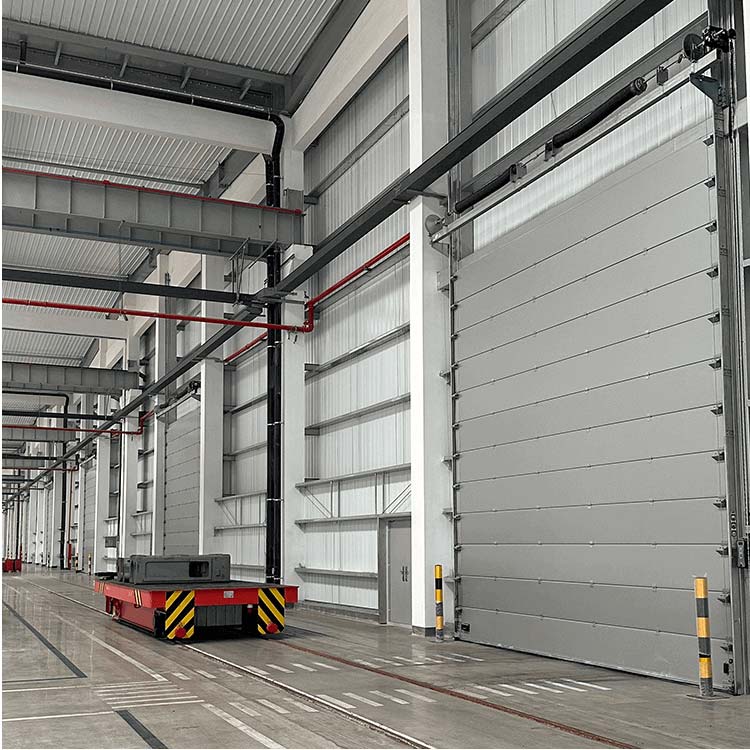
Vantagens Principais e Recomendações Estratégicas
Eficiência Energética e Redução de Custos
As portas seccionais industriais fornecem excelente isolamento térmico, reduzindo o consumo de energia e diminuindo os custos de serviços públicos. De acordo com estudos recentes, instalações com portas isoladas podem reduzir as despesas de energia em até 20%, tornando-as uma escolha financeira e ambientalmente sábia.
Segurança Aprimorada
Essas portas são projetadas com materiais robustos e mecanismos de travamento avançados. Isso garante proteção superior contra acesso não autorizado, protegendo ativos valiosos e mantendo um ambiente seguro.
Durabilidade e Longevidade
Construídas com aço ou alumínio de alta qualidade, as portas seccionais industriais são projetadas para suportar uso intenso em ambientes exigentes. Em média, portas mantidas adequadamente podem durar de 15 a 20 anos, oferecendo um retorno de investimento de longo prazo.
Eficiência Operacional
Com recursos como sistemas de abertura e fechamento automatizados, essas portas agilizam os processos de fluxo de trabalho. Instalações que usam portas com automação integrada frequentemente relatam uma melhoria de até 30% na eficiência operacional, reduzindo atrasos.
Opções de Personalização
Essas portas seccionais comerciais estão disponíveis em uma variedade de tamanhos, acabamentos e níveis de isolamento para atender a requisitos específicos da instalação. A personalização garante integração perfeita em qualquer configuração operacional, melhorando a estética e a funcionalidade da instalação.
Selecionar a Melhor Porta Industrial de Secção Enrolável para as suas Necessidades
Quando estou decidindo sobre a porta seccional certa para minha planta, concentro-me em quatro pontos essenciais. Começo confirmando as dimensões da abertura, o isolamento que meu clima exige e a contagem de ciclos diários esperada. Depois, passo para a robustez. A porta tem que lidar com minha realidade, seja calor escaldante, geada ou o choque ocasional de um palete. Depois disso, observo os detalhes que ajudam a porta a se integrar. Tinta que reflete minhas cores corporativas, bordas de segurança que detectam obstruções e um motor que posso programar para abrir exatamente no início do turno. Manter esses quatro parâmetros em vista facilita a escolha de uma porta que aumenta o tempo de atividade e não entra em conflito com os fluxos de trabalho.
Perguntas Frequentes (FAQs)
O que são portas de secção enroláveis e quais os seus benefícios?
As portas seccionais de quatro painéis deslizam para cima em trilhos de serviço pesado, formando uma tela suspensa sem balançar para fora, tornando-as uma opção inteligente para armazéns, centros de distribuição e showrooms. Cada painel possui ruptura térmica, permitindo que o ar frio ou aquecido permaneça no lugar, reduzindo o frio ou calor interno sem complicações, gerando economias de energia que melhoram o resultado final da instalação. Quando os ciclos diários aumentam, essas portas suportam o desgaste com facilidade; as nervuras prensadas, dobradiças reforçadas e insertos de roletes de serviço pesado absorvem os ciclos, enquanto o acabamento resiste ao clima, empilhadeiras e colegas descuidados.
Como é que as portas de aço comerciais isoladas melhoram a eficiência energética?
Para vedar uma doca de carga ou piso de manufatura de grande porte, a porta de aço isolada é a armadura mais resistente. O núcleo de poliestireno ou poliuretano transforma portas de aço em cofres isolados que só abrem quando acionados e ostentam uma média de 18 a 23 de resistência térmica, transformando a conta de HVAC em economia. Vedações térmicas compostas limpam a lacuna onde as bordas do painel encontram os batentes, e essas vibrações suprimem o barulho, para que peças aquecidas ou entregas de produtos impressos deslizem sem sofrer com o frio. Quando variações apertadas de temperatura são uma necessidade, plantas, salas de dados e laboratórios de condicionamento cantam a mesma música da porta, com os baixos valores U acumulando economia constantemente.
Que tipos de materiais são utilizados em portas industriais de secção enrolável?
Novas portas seccionais elegantes de aço de serviço pesado ou alumínio de grau aeronáutico ocupam setores consideráveis de frentes de fábrica sem perder fundamentos térmicos. As nervuras de aço, laminadas ou em relevo, reforçam a rigidez da porta, enquanto a vedação profunda e a proteção anticorrosiva fazem com que qualquer resíduo, sobra ou derramamento desapareça no fundo mais limpo. Os mezaninos de vidro em áreas de carga, showrooms e armazéns permitem visualizar as linhas de equipe, compradores e visitantes, aumentando o fluxo e as fichas de calma.
Qual é a cobertura da garantia para portas de secção de alto desempenho?
A proteção da garantia em portas seccionais de alta velocidade geralmente cobre defeitos tanto em materiais quanto em mão de obra. Como os termos específicos diferem de um fabricante ou revendedor para outro, revisar as limitações e condições precisas é essencial para evitar surpresas posteriormente.
Como escolher as portas de garagem comerciais certas para o meu negócio?
Ao selecionar uma porta comercial, examine o valor R da porta, o tipo e a espessura do isolamento usado, os materiais estruturais e o design geral. Avalie seus critérios de desempenho—importante, durabilidade, eficiência térmica e vedação—contra as demandas rigorosas do ambiente de armazém ou produção pretendido.
Quais são as vantagens de utilizar portas de aço nervuradas?
Para operações comerciais e industriais, as portas de aço nervurado fornecem integridade estrutural superior e resistência ao desgaste. Suas nervuras verticais fortalecem grandes superfícies de porta contra impacto acidental, enquanto um acabamento galvanizado ou revestimento opcional resiste ainda mais a condições corrosivas, combinando longa vida útil com uma aparência profissional.
As portas de secção de alto desempenho são adequadas para condições climáticas extremas?
Sim, as portas seccionais de serviço pesado são construídas para suportar estresse elemental severo. Elas são construídas com peles de aço ou alumínio reforçadas, múltiplas camadas de núcleo isolado e vedação contra intempéries que, juntas, criam uma barreira formidável contra vento, neve e calor ou frio extremos, minimizando a perda de calor e o desperdício de energia.
Que manutenção requerem as portas enroláveis?
A manutenção frequente é essencial para manter cada mola de torção, rolete, dobradiça e motor operando com eficiência máxima. Os técnicos inspecionam e limpam os trilhos, ajustam os sensores de segurança, lubrificam os rolamentos e verificam se as vedações e os painéis isolados permanecem intactos. Ao aderir a uma cadência de serviço planejada, as instalações previnem reparos futuros e prolongam significativamente a vida útil da porta.
Posso personalizar as minhas portas de garagem de aço para aplicações específicas?
Sim, os principais fabricantes permitem uma ampla paleta de opções, mesmo para portas de aço. Os clientes podem solicitar uma pegada geral precisa, o núcleo de espuma ou poliuretano preferido para portas seccionais de aço, estilo de painel em relevo ou rebaixado e acabamentos personalizados em pó RAL. Tal adaptabilidade garante que a porta não apenas atenda a todas as necessidades térmicas, estruturais e estéticas, mas também se integre perfeitamente à paleta de materiais e ao fluxo de trabalho do local determinado.
Fontes de Referência
Calculadora de Porta Industrial de Secção Enrolável
Autor: M. Gestsson
Ano de Publicação: 2016
Resumo: Este artigo discute uma calculadora projetada para portas seccionais de elevação, que pode ser útil para compreender o projeto e as especificações de portas seccionais industriais de elevação. Ele fornece insights sobre os cálculos necessários para uma instalação e funcionalidade adequadas.
Link: Calculadora de Porta Seccional de Elevação
Resistência ao Vento de Portas Enroláveis e de Secção Enroláveis Externas
Ano de Publicação: 2010
Resumo: Este boletim discute as características de resistência ao vento de portas de enrolar e seccionais externas de elevação, o que é crucial para entender seu desempenho em aplicações industriais. Ele fornece diretrizes e resultados de testes relevantes para o projeto de portas seccionais industriais de elevação.
Link: Resistência ao Vento de Portas Enroláveis e de Secção Enroláveis Externas
Mecanismo de Porta de Garagem Automática Económica com Velocidade Variável
Autores: Y. Prajapati et al.
Data de Publicação: 13 de maio de 2021
Resumo: Este artigo discute o projeto de um mecanismo automático de porta de garagem que pode ser aplicado a portas seccionais industriais de elevação. Ele enfatiza recursos de segurança e operação com velocidade variável, que são importantes para aplicações industriais modernas.
Link: Mecanismo de Porta de Garagem Automática Económica com Velocidade Variável
Investigação dos Erros de Higiene Ocupacional nas Tarefas do Operador de Ponte Rolante
Autores: R. Jafari Nodoushan et al.
Data de Publicação: 1º de novembro de 2021
Resumo: Este estudo investiga o erro humano em tarefas relacionadas a pontes rolantes, que frequentemente interagem com portas seccionais industriais de elevação. Compreender essas interações pode fornecer insights sobre segurança e eficiência operacional em ambientes industriais.
Link: Investigação dos Erros de Higiene Ocupacional nas Tarefas do Operador de Ponte Rolante
Investigação Analítica e Projeto Ótimo de uma Ponte Rolante de Dupla Viga
Autores: Y. Albar, Y. A. Onur
Data de Publicação: 1º de dezembro de 2023
Resumo: Este artigo discute o projeto e a otimização de pontes rolantes, que são frequentemente usadas em conjunto com portas seccionais industriais de elevação. Ele fornece insights sobre os princípios de engenharia que podem ser aplicados para melhorar a funcionalidade e a segurança desses sistemas.
Link: Investigação Analítica e Projeto Ótimo de uma Ponte Rolante de Dupla Viga
Conclusão
Essas fontes devem fornecer uma base sólida para verificar as informações em seu artigo sobre portas seccionais industriais de elevação e tecnologias relacionadas. Certifique-se de acessar os artigos por meio de sua instituição ou biblioteca para obter acesso completo. Se precisar de mais assistência ou detalhes específicos de algum desses artigos, sinta-se à vontade para perguntar!