📞WhatsApp 86-18068436613

Как пищевые цеха могут сбалансировать вентиляцию, борьбу с насекомыми и сезонную теплоизоляцию

Выбор скоростных дверей для пищевой промышленности редко является решением, касающимся только одного продукта. Во многих пищевых цехах дверной проём должен одновременно решать несколько задач: влажный воздух должен покидать помещение, насекомые и пыль должны контролироваться, вилочные погрузчики нуждаются в быстром доступе, и один и тот же проём может требовать различных режимов работы летом и зимой. Стандартная промышленная дверь может открываться и закрываться, но она может не справляться со всеми этими условиями в полной мере.
Именно поэтому двери для пищевой промышленности следует выбирать в соответствии с условиями цеха, а не только по размеру проёма или скорости открывания. Большой вход в пищевое производство может нуждаться в воздушном потоке в жаркие месяцы, лучшей герметизации в холодные месяцы, ветроустойчивости для наружного размещения и конструктивных деталях, закрывающих зазоры вокруг направляющих и стен. Когда эти факторы учитываются на раннем этапе, дверная система становится частью стратегии гигиены и энергосбережения, а не просто точкой доступа.
Lorem ipsum dolor sit amet, consectetur adipiscing elit. Ut elit tellus, luctus nec ullamcorper mattis, pulvinar dapibus leo.
Содержание
ПереключательРеальная проблема дверных проёмов в цехах пищевой промышленности
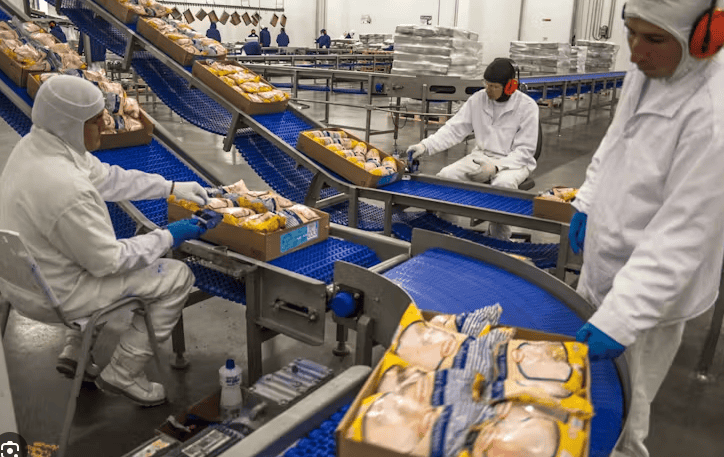
Пищевые цеха часто сталкиваются с трудным балансом. Держать дверь открытой помогает выделению тепла, влаги и запахов, но также увеличивает риск проникновения насекомых, пыли и неконтролируемого движения воздуха. Держать дверь полностью закрытой улучшает гигиену и изоляцию, но может сделать цех влажным и некомфортным, особенно когда вилочные погрузчики часто перемещаются между производственными, складскими и погрузочными зонами.
По этой причине промышленные двери для пищевых производств следует оценивать по рабочим условиям, таким как уровень влажности, интенсивность движения, внешнее ветровое давление, размер проёма и сезонные изменения температуры. Во влажном цехе конденсат возле входа может влиять на полы, зоны упаковки и комфорт операторов. В зоне с интенсивным движением медленные двери могут создавать очереди или побуждать операторов оставлять проём открытым. В полуоткрытом месте ветровая нагрузка и воздействие дождя также влияют на срок службы шторы и рамы.
Контролируемая вентиляция без полного открытия двери
Практическим решением для некоторых пищевых цехов является штабелируемая скоростная дверь с вентилируемой секцией шторы. Вместо полного открытия проёма для воздушного потока средняя область шторы может использовать перфорированную или дышащую панель. Это позволяет контролируемый воздухообмен, пока дверь остаётся в своём обычном положении.
Почему вентилируемая штора помогает
Такая конструкция полезна, когда цеху необходимо снизить влажность, духоту, конденсат или накопление запахов в летний период. Она не заменяет необходимость в надлежащей системе HVAC или вытяжки, но помогает входу поддерживать естественный воздушный поток, не превращая проём в постоянно открытый проход.
Для дверей пищевых производств такой подход также может снизить прямое проникновение насекомых по сравнению с полным открытием двери. Ключевым моментом является сочетание вентилируемой шторы с надлежащим боковым уплотнением, нижним уплотнением и подходящей стратегией открывания для движения вилочных погрузчиков.
Большие проёмы требуют ветроустойчивости и стабильной конструкции
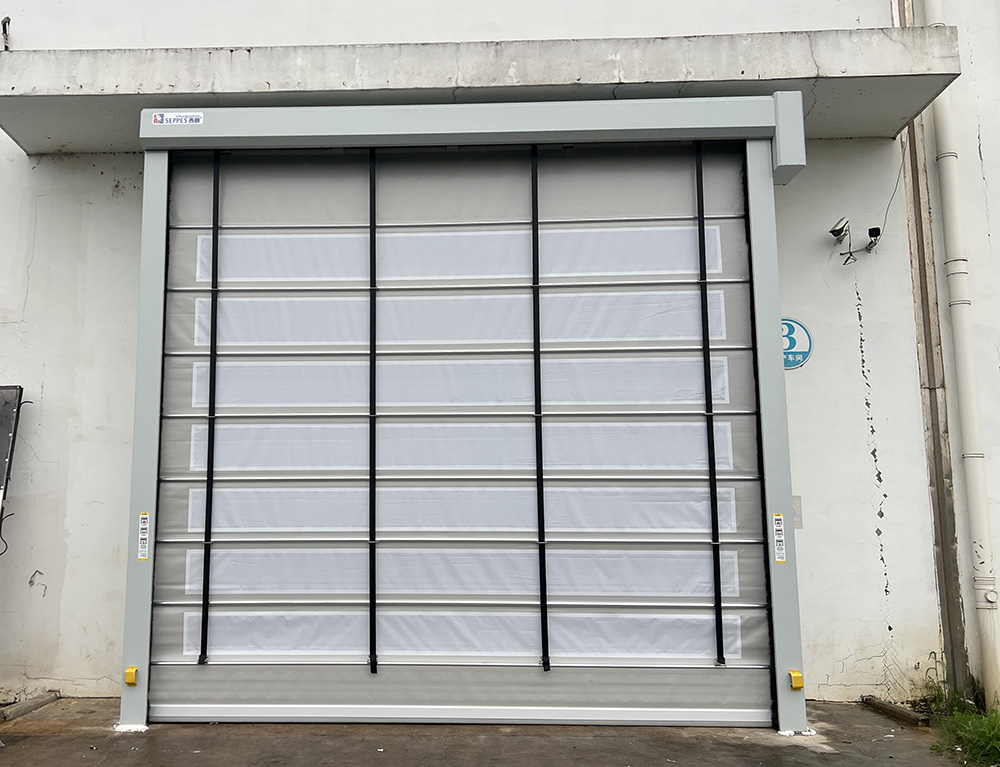
Многие пищевые цеха используют широкие и высокие проёмы для вилочных погрузчиков, перемещения поддонов или доступа крупного оборудования. Проём размером, например, 5 м на 4,3 м не следует рассматривать как небольшой внутренний проход. Более широкие шторы сильнее подвержены влиянию бокового ветра, отрицательного давления и повторяющихся движений.
Для такого типа проёма складывающаяся высокоскоростная дверь может быть более подходящей, чем лёгкая ПВХ-скоростная дверь, поскольку штора складывается вверх секциями и может быть усилена алюминиевыми ветроустойчивыми планками. Эти горизонтальные усиления помогают уменьшить движение и деформацию шторы, когда дверь сталкивается с ветровым давлением или перепадами давления воздуха внутри здания.
Этот момент особенно важен для скоростных дверей на предприятиях пищевой и beverage промышленности, где дверь установлена возле внешней стены, под навесом или в полуоткрытом положении. Даже если край крыши блокирует прямой дождь, дверь всё равно может сталкиваться с ветром, влагой и перепадами давления в ходе ежедневной эксплуатации.
Летняя вентиляция и зимняя изоляция могут потребовать двухслойной двери
Один дверной проём может требовать разных функций в разные сезоны. Летом приоритетом может быть вентиляция, снижение влажности и быстрый проход вилочных погрузчиков. Зимой приоритет может сместиться на сохранение тепла, герметизацию и энергосбережение.
Стратегия с двумя дверями может решить этот конфликт. Внешняя штабелируемая скоростная дверь обеспечивает частый доступ и летнюю вентиляцию. Внутренний роллет или утеплённая дверь могут быть добавлены для зимней эксплуатации, создавая более герметичное состояние, когда воздушный поток больше не требуется.
Практическая сезонная логика
Внешняя дверь поддерживает движение, вентиляцию и базовую защиту от погоды. Внутренняя дверь обеспечивает изоляцию, разделение воздуха и энергосбережение. Это часто более практично, чем ожидать, что одно дверное полотно будет идеально выполнять все функции в каждый сезон.
Контроль насекомых зависит от деталей вокруг двери
В пищевых цехах герметизация касается не только шторы. Многие проблемы с насекомыми и пылью возникают из-за конструктивных зазоров вокруг дверной рамы, опор направляющих или соединений со стеной. Когда дверь установлена с внешней стороны стены, могут потребоваться квадратные стальные колонны для поддержки направляющих. Если зазор между колоннами, направляющими и стеной не закрыт, насекомые, пыль, мелкие животные и неконтролируемый воздушный поток всё равно могут проникать, даже когда сама дверь закрыта.
Что покупателям следует проверить перед установкой
Покупателям следует спрашивать, как поставщик будет обрабатывать боковые зазоры, зазоры колонн, нижнее уплотнение, нахлёст шторы и неровности стен. Боковые уплотнительные панели могут использоваться для закрытия пространства между конструкцией направляющих и стеной, формируя более полный барьер. Для пищевых сред эта деталь может быть так же важна, как скорость двигателя или материал шторы.
Контрольный список выбора дверей для пищевой промышленности
Перед выбором скоростной двери для пищевой промышленности проектные группы должны подтвердить следующее:
- Используется ли проём в основном для людей, вилочных погрузчиков, поддонов или смешанного движения?
- Нуждается ли цех в вентиляции в жаркие или влажные месяцы?
- Установлена ли дверь внутри помещения, снаружи или под полуоткрытым навесом?
- Будет ли дверь сталкиваться с боковым ветром, отрицательным давлением или нагрузкой от большого проёма?
- Являются ли насекомые, пыль и мелкие зазоры проблемой гигиены?
- Требуется ли зимняя изоляция на том же проёме?
- Включает ли конструкция уплотнительные панели или конструктивную обработку вокруг направляющих?
Эти проверки помогают избежать распространённой ошибки: выбора только по скорости открывания, игнорируя реальную производственную среду пищевого предприятия.
Взгляд компании SEPPES
С точки зрения производителя промышленных дверей, хорошая дверная система для пищевого цеха должна начинаться с условий на объекте. Размер проёма, конструкция стены, маршрут вилочных погрузчиков, влажность, ветровое давление и сезонная эксплуатация — всё это влияет на конечную конфигурацию. Для некоторых объектов достаточно стандартной скоростной двери. Для более крупных, влажных, полуоткрытых цехов штабелируемая скоростная дверь с вентиляционными панелями, ветроустойчивыми планками, боковыми уплотнительными пластинами и опциональной внутренней утеплённой дверью может обеспечить более надёжное долгосрочное решение.
Руководства по безопасности пищевых продуктов также подчёркивают важность контроля условий на объекте и рисков загрязнения. Для более широкого контекста покупатели могут обратиться к ресурсам FDA по безопасности пищевых продуктов США: Закон FDA о модернизации безопасности пищевых продуктов.