📞WhatsApp 86-18068436613

Как изоляция промышленных ворот помогает контролировать температуру и энергопотребление

Содержание
ПереключательВведение
Контроль температуры является важным фактором для многих промышленных объектов. Склады, холодильные камеры, предприятия пищевой промышленности, фармацевтические производства и чувствительные к температуре производственные помещения могут нуждаться в поддержании относительно стабильных внутренних условий в течение рабочего дня.
Часто упускаемым из виду фактором является характеристика дверей между различными зонами.
Каждый раз, когда промышленная дверь открывается, воздух может перемещаться между двумя зонами с разными температурами. Если проём остаётся открытым слишком долго, системы отопления или охлаждения могут нуждаться в более интенсивной работе для компенсации возникающих изменений температуры.
Изоляция промышленных дверей может помочь снизить теплопередачу через конструкцию двери и улучшить разделение между различными средами. В сочетании с надлежащим уплотнением, автоматическим управлением и соответствующим дизайном двери она может стать важной частью стратегии управления температурой на объекте.
SEPPES предоставляет решения для промышленных дверей для заводов, складов, холодильных камер и других сред, где контроль температуры и разделение сред имеют важное значение.
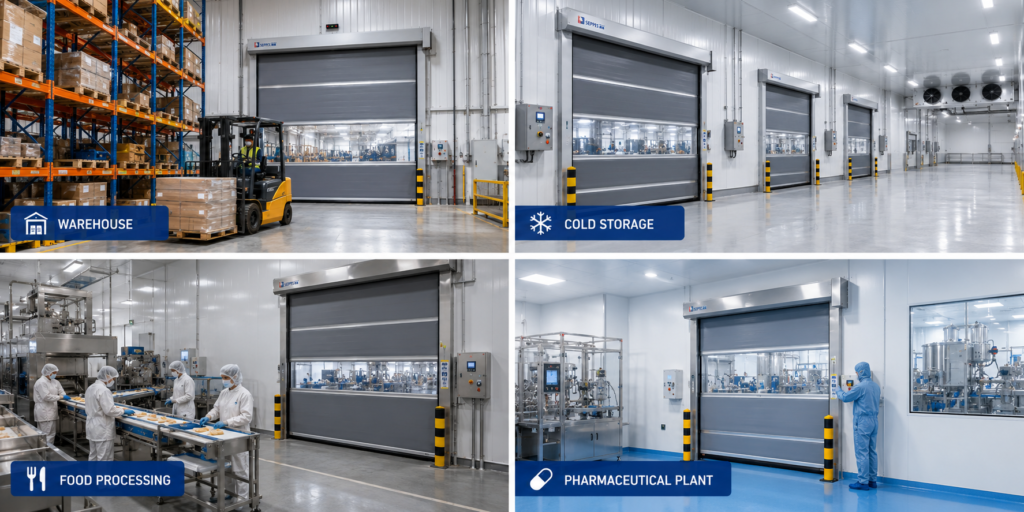
Что такое изоляция промышленных дверей?
Изоляция промышленных дверей относится к материалам и конструктивным решениям, используемым для снижения теплопередачи через промышленную дверь.
Различные типы изолированных промышленных дверей могут использовать изолированные панели, многослойные шторы, пенопластовые сердечники, терморазрывы, уплотнённые профили или композитные материалы.
Цель состоит не в том, чтобы сделать дверь полностью изолированной от изменений температуры. Вместо этого хорошая изоляция помогает замедлить теплопередачу между двумя зонами с разными температурами.
Общая тепловая характеристика зависит не только от самого изоляционного материала.
Конструкция двери, уплотнение по периметру, качество монтажа, частота открываний, разница температур и размеры двери могут повлиять на конечный результат.
По этой причине промышленные теплоизоляционные двери следует рассматривать как комплексную систему, а не просто как дверь с более толстыми материалами.
Почему важна температурная сепарация
Многие промышленные здания содержат зоны с различными требованиями к окружающей среде.
Обычный склад может быть соединён с охлаждаемым помещением. Производственная зона может находиться рядом с упаковочным цехом. Зона хранения с контролируемой температурой может соединяться с погрузочной площадкой, подверженной воздействию наружных условий.
Когда эти зоны соединены часто используемым дверным проёмом, разница температур может создавать дополнительные сложности.
Тёплый воздух может проникать в более прохладную зону, в то время как кондиционированный воздух может выходить в более тёплую среду.
Чем больше разница температур и чем дольше дверной проём остаётся открытым, тем сложнее может быть поддержание стабильных условий.
Двери с контролем температуры могут помочь создать физический барьер между этими зонами.
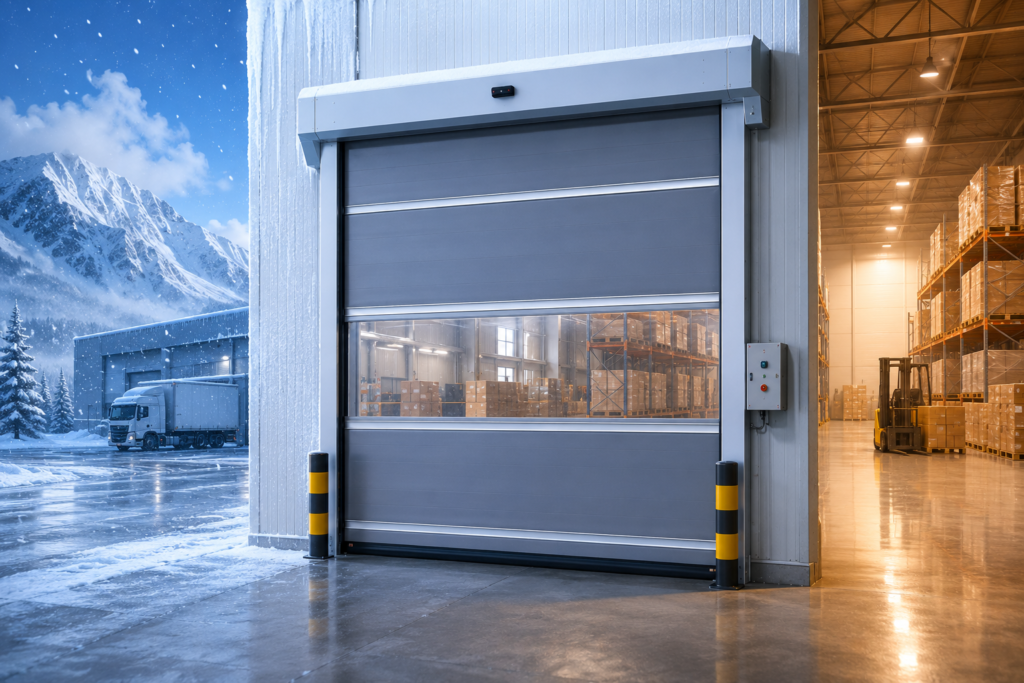
Как изолированные промышленные двери поддерживают управление энергопотреблением
Системы отопления и охлаждения потребляют энергию для поддержания целевой внутренней температуры.
Когда кондиционированный воздух постоянно выходит через открытый или плохо уплотнённый дверной проём, оборудование HVAC может нуждаться в компенсации дополнительной нагрузки.
Изолированные промышленные двери могут снизить теплопередачу через закрытую конструкцию двери. Эффективное уплотнение по периметру может дополнительно ограничить нежелательное движение воздуха по краям.
Энергоэффективные промышленные двери сочетают эти конструктивные элементы для поддержки лучшего управления температурой.
Однако фактическая экономия энергии варьируется от объекта к объекту.
Изоляция здания, эффективность HVAC, климат, размеры дверей, частота движения, разница температур и эксплуатационные процедуры — всё это влияет на конечный результат.
Поэтому энергоэффективные промышленные двери следует рассматривать как одну из частей более широкой стратегии управления энергопотреблением.
Важность уплотнения дверей
Изоляция и уплотнение работают вместе.
Даже когда дверь имеет хорошо изолированную конструкцию, зазоры по краям могут позволять воздуху перемещаться между различными зонами.
Уплотнители по периметру, нижние уплотнители, боковые направляющие и другие уплотнительные компоненты могут помочь снизить нежелательные пути движения воздуха.
Для чувствительных к температуре применений характеристика уплотнения может быть не менее важной, чем изоляционный материал.
Наружный проём может требовать более сильной защиты от ветра и погодных условий, в то время как внутренний дверной проём может быть больше сосредоточен на разделении двух производственных зон.
Правильный монтаж имеет не менее важное значение. Плохое выравнивание, повреждённые уплотнители или неправильная установка могут снизить эффективность всей системы.
Изолированные складские двери для различных применений
Не каждый склад имеет одинаковые требования к окружающей среде.
Некоторые объекты в основном нуждаются в отделении внутренних зон от наружных погодных условий, в то время как другим необходимо поддерживать более контролируемую температуру.
Изолированные складские двери могут использоваться в зонах, где важна стабильность температуры.
Типичные области применения включают:
- Складов с контролируемой температурой
- Зоны хранения пищевых продуктов
- Объекты холодовой цепи логистики
- Производственные цеха
- Упаковочные зоны
- Погрузочные зоны
- Охлаждаемые складские помещения
Требуемая конфигурация двери зависит от разницы температур, частоты движения, размеров двери и условий окружающей среды.
Поэтому складская дверь должна выбираться в соответствии с её фактическим применением, а не полагаться на стандартную конфигурацию для каждого проекта.
Промышленные двери для холодильных камер
Холодильные камеры предъявляют особенно высокие требования к контролю температуры.
Охлаждаемые помещения и морозильные зоны могут нуждаться в поддержании температур, значительно более низких, чем в окружающем складе или погрузочной зоне.
Каждое открывание может создать возможность для проникновения тёплого воздуха и выхода холодного воздуха.
Поэтому промышленные двери для холодильных камер должны учитывать тепловые характеристики, уплотнение, частоту эксплуатации и системы управления в совокупности.
Изолированные панели или шторы могут помочь снизить теплопередачу, когда дверь закрыта. Правильное уплотнение может снизить нежелательное движение воздуха по периметру.
Контролируемая эксплуатация также может ограничить продолжительность каждого цикла открывания.
SEPPES может настроить решения для промышленных ворот для различных применений в холодильных камерах с учётом размеров проёма, температурных условий, интенсивности движения и эксплуатационных требований.
Высокая частота открываний и контроль температуры
Ворота, открывающиеся лишь несколько раз в день, ведут себя иначе, чем ворота, используемые непрерывно.
На загруженном промышленном объекте дверной проём может открываться сотни раз за рабочую смену.
В таких условиях простое увеличение толщины изоляции может не решить основную задачу контроля температуры.
Само время открытия становится важным фактором.
Когда ворота быстро закрываются после каждого прохода, две среды остаются соединёнными в течение более короткого периода.
Автоматическая активация также может сократить ненужные ручные операции.
По этой причине управление температурой в проёме с высокой интенсивностью движения часто требует сочетания изоляции, герметизации, систем управления и соответствующей скорости работы.
Выбор правильной изоляции для промышленных дверей
Выбор правильного уровня изоляции требует понимания реальной рабочей среды.
Важные факторы включают:
- Разница температур внутри и снаружи помещения
- Требуемая температура внутри помещения
- Частота открывания ворот
- Габариты ворот
- Воздействие ветра и погодных условий
- Требуемые характеристики герметизации
- Скорость работы
- Доступное монтажное пространство
- Низкие требования к обслуживанию, простая смазка
Большее количество изоляции не автоматически означает лучшее решение.
Ворота с отличными тепловыми характеристиками, но плохой герметизацией или неподходящим режимом эксплуатации могут не дать ожидаемого результата.
Лучшее решение обычно то, которое обеспечивает баланс между тепловыми характеристиками, требованиями к движению, безопасностью, долговечностью и обслуживанием.
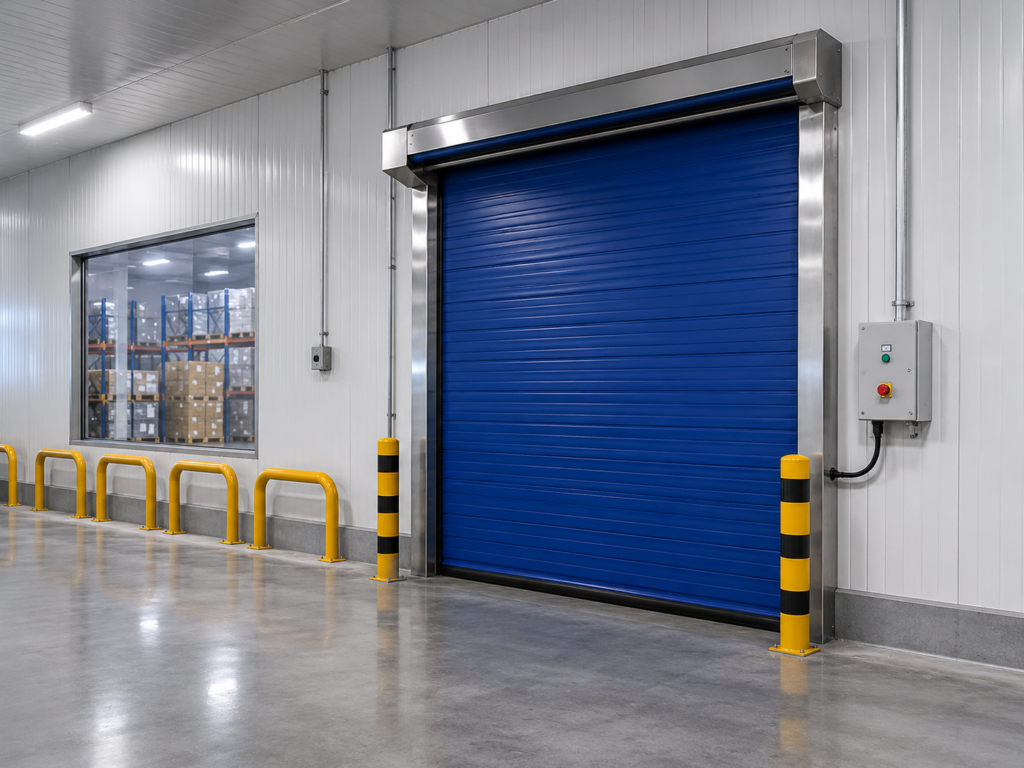
Почему материалы дверей имеют значение
Материалы, используемые в промышленных воротах, влияют как на тепловые, так и на механические характеристики.
Разные применения могут требовать разных конструкций штор или панелей.
Некоторые утеплённые промышленные ворота используют многослойные гибкие шторы, тогда как другие — жёсткие утеплённые панели или композитные конструкции.
Выбор материалов должен учитывать не только изоляцию.
Долговечность, гибкость, ударопрочность, прозрачность, требования к очистке, ветроустойчивость и частота эксплуатации также могут влиять на окончательный выбор.
SEPPES может предложить различные варианты материалов и конструкций в зависимости от среды применения.
Двери с контролем температуры для пищевой промышленности
Предприятия пищевой промышленности часто требуют контролируемых условий окружающей среды.
Разные зоны могут иметь разные требования к температуре, гигиене, очистке и технологическому процессу.
Температурные ворота могут помочь разделить производственные зоны от зон хранения, упаковки или логистики.
Для таких объектов материалы ворот также должны быть лёгкими в обслуживании и подходящими для рабочей среды.
Герметизация является ещё одним важным аспектом, поскольку она помогает снизить неконтролируемый поток воздуха и перемещение пыли или других загрязнителей между зонами.
SEPPES может настроить промышленные ворота в соответствии с конкретными требованиями пищевой промышленности и других сред, чувствительных к температуре.
Как SEPPES поддерживает проекты промышленных дверей
SEPPES специализируется на решениях для промышленных ворот для производства, складирования, логистики, пищевой промышленности и других коммерческих и промышленных применений.
Для проектов, где важен контроль температуры, SEPPES может оценить взаимосвязь между изоляцией, герметизацией, интенсивностью движения, условиями эксплуатации и требованиями к монтажу.
Холодильный склад может требовать иного решения, чем обычный склад.
Предприятие пищевой промышленности может иметь особые требования к очистке.
Зона погрузки может нуждаться в дополнительной защите от внешних погодных условий.
Производственный объект может требовать частой эксплуатации и надёжного автоматического управления.
SEPPES может настроить промышленные ворота в соответствии с этими различными требованиями применения, а не использовать одно стандартное решение для каждого проекта.
Техническое обслуживание для долгосрочной эксплуатации
Регулярное техническое обслуживание важно для поддержания расчётных характеристик утеплённых промышленных ворот.
Операторы должны периодически проверять шторы или панели, боковые направляющие, нижние уплотнители, уплотнители по периметру, датчики, системы управления и приводные компоненты.
Уплотнители со временем изнашиваются, а шторы и панели могут повреждаться при многократном использовании.
Датчики должны оставаться чистыми и правильно расположенными.
Любое ненормальное функционирование должно быть проверено как можно скорее.
Правильное обслуживание помогает сохранить изоляционные и герметизирующие характеристики, снижая риск непредвиденных простоев.
Часто задаваемые вопросы
Что такое изоляция промышленных дверей?
Изоляция промышленных ворот относится к материалам и конструктивным решениям, которые помогают снизить теплопередачу через промышленные ворота.
Подходят ли изолированные промышленные двери для складов?
Да. Они могут подходить для складов, где важны разделение температур или контроль окружающей среды.
Можно ли использовать промышленные двери для холодильных камер в охлаждаемых помещениях?
Да. Правильно сконфигурированные ворота могут использоваться для холодильных и температурно-контролируемых сред. Точная конструкция должна соответствовать требуемой температуре и условиям эксплуатации.
Могут ли двери с контролем температуры помочь снизить потери энергии?
Они могут помочь снизить теплопередачу и нежелательное движение воздуха. Фактическая экономия энергии зависит от здания, системы отопления, вентиляции и кондиционирования, климата, режима использования ворот и других условий.
Что следует учитывать при выборе изолированных складских дверей?
Важные факторы включают разницу температур, частоту открывания, размеры ворот, требования к герметизации, конструкцию изоляции, условия эксплуатации и требования к обслуживанию.
Предоставляет ли SEPPES промышленные теплоизоляционные двери?
Да. SEPPES может настроить решения для промышленных ворот на основе требований к температуре, размеров ворот, интенсивности движения, потребностей в герметизации и условий монтажа.
Заключение
Управление температурой является важной частью эксплуатации современных промышленных объектов.
Изоляция промышленных ворот может помочь снизить теплопередачу и улучшить разделение между различными экологическими зонами. Когда изоляция сочетается с эффективной герметизацией, подходящими материалами, автоматическим управлением и правильной эксплуатацией, она может стать важной частью общей стратегии управления температурой объекта.
Правильное решение зависит от фактического применения.
Склады, холодильные камеры, предприятия пищевой промышленности, производственные цеха и зоны погрузки могут иметь разные требования.
SEPPES предоставляет решения для промышленных ворот, разработанные с учётом этих практических условий, помогая предприятиям создавать более стабильную, эффективную и надёжную промышленную среду.
Выбирая правильную конструкцию ворот для фактического применения, объекты могут лучше управлять перепадами температур, одновременно обеспечивая эффективную повседневную работу.