📞 واتساب 86-18068436613

ما هي استخدامات الأبواب عالية السرعة في التصنيع؟

تُستخدم الأبواب عالية السرعة على نطاق واسع في مرافق التصنيع الحديثة لتحسين تدفق المواد، وفصل مناطق الإنتاج، والتحكم في البيئات الداخلية، وتقليل التأخير الناجم عن المداخل المستخدمة بشكل متكرر.
على عكس الأبواب الصناعية التقليدية، صُممت الأبواب عالية السرعة للفتح والإغلاق المتكرر. وهي مفيدة بشكل خاص في المصانع التي تحتاج فيها الرافعات الشوكية والموظفون والمركبات الموجهة الآلية (AGVs) والمواد إلى التنقل بين مناطق مختلفة طوال اليوم.
ولكن ما هي الاستخدامات الفعلية للأبواب عالية السرعة في التصنيع؟ تعتمد الإجابة على عملية الإنتاج، وتكرار الحركة، والظروف البيئية، ومستوى الأتمتة داخل المنشأة.
جدول المحتويات
تبديلما هي استخدامات الأبواب عالية السرعة في التصنيع؟
تُستخدم الأبواب عالية السرعة بشكل شائع من أجل:
- تحسين حركة المواد والمركبات
- فصل مناطق الإنتاج عن المستودعات
- تقليل وقت الانتظار للرافعات الشوكية والعمال
- المساعدة في التحكم في درجة الحرارة وتدفق الهواء
- تقليل التعرض للغبار والرياح والأمطار والظروف الخارجية الأخرى
- دعم الإنتاج واللوجستيات الآلية
- تحسين سلامة المرور حول المداخل المزدحمة
الميزة الرئيسية ليست ببساطة أن الباب يفتح بسرعة. القيمة الحقيقية تكمن في الحفاظ على حركة الأشخاص والمواد والمعدات بكفاءة مع الحفاظ على الفصل بين المناطق المختلفة.
1. الأبواب عالية السرعة لخطوط الإنتاج
أحد أكثر التطبيقات شيوعًا للأبواب الصناعية عالية السرعة هو الوصول بين مناطق الإنتاج المختلفة.
قد تحتوي منشأة التصنيع على مناطق تشغيل وتجميع وفحص وتعبئة وتخزين متجاورة. قد تحتاج المواد والمكونات إلى المرور بين هذه المناطق مئات المرات يوميًا.
يمكن أن يصبح الباب الصناعي البطيء عنق زجاجة عندما يضطر عمال الرافعات الشوكية أو العمال إلى الانتظار حتى يفتح الباب ويغلق.
يمكن للباب عالي السرعة أن يفتح ويغلق بسرعة، مما يساعد على تقليل الوقت اللازم لكل مرور والسماح لأنشطة الإنتاج بالاستمرار مع انقطاعات أقل.
2. فصل مناطق الإنتاج عن المستودعات
غالبًا ما تحتاج مرافق التصنيع إلى فصل مناطق الإنتاج عن المستودعات ومسارات اللوجستيات الداخلية.
على سبيل المثال، قد تدخل المواد الخام إلى المستودع قبل نقلها إلى خط الإنتاج. ثم قد تنتقل المنتجات النهائية من الإنتاج إلى التعبئة وأخيرًا إلى مستودع البضائع التامة الصنع.
يمكن للأبواب عالية السرعة للمستودعات توفير اتصال سريع بين هذه المناطق مع إبقاء الفتحات مغلقة عندما لا تكون هناك حركة مرور.
هذا مفيد بشكل خاص عندما يكون للمستودع ومنطقة الإنتاج متطلبات مختلفة من حيث درجة الحرارة أو النظافة أو التشغيل.
3. إدارة حركة الرافعات الشوكية والمواد
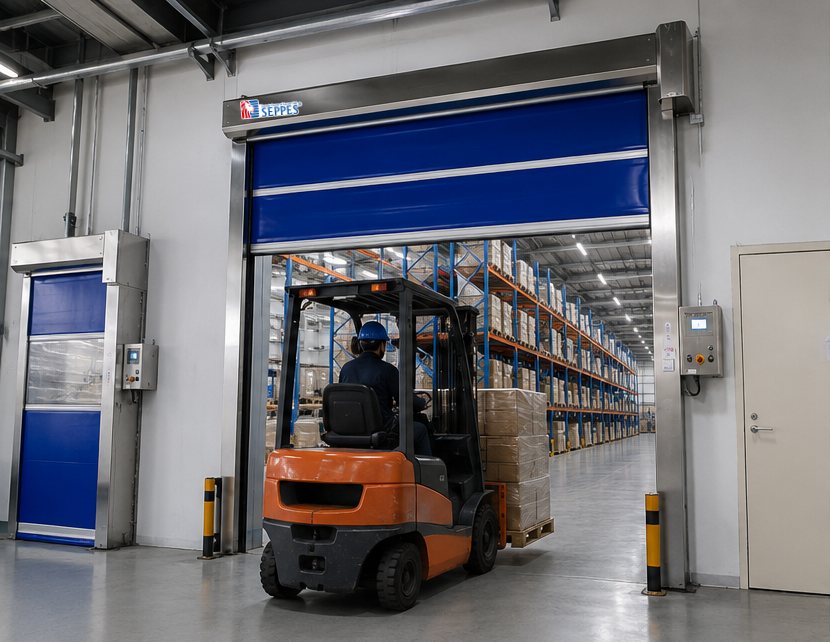
الرافعات الشوكية جزء حاسم في العديد من عمليات التصنيع. فهي تنقل المواد الخام والمكونات والمنصات والمنتجات النهائية في جميع أنحاء المنشأة.
إذا تم استخدام المدخل بشكل متكرر، فإن كل ثانية إضافية تُقضى في انتظار الباب يمكن أن تؤثر على كفاءة تدفق الحركة الإجمالي.
صُممت الأبواب الصناعية عالية السرعة لظروف الحركة عالية التكرار هذه. يمكن تفعيلها تلقائيًا باستخدام أجهزة الاستشعار أو أنظمة الرادار أو الأجهزة الكهروضوئية أو طرق تحكم أخرى.
والنتيجة هي مرور أكثر كفاءة للرافعات الشوكية ومعدات مناولة المواد الأخرى.
4. دعم عمليات المصانع الآلية
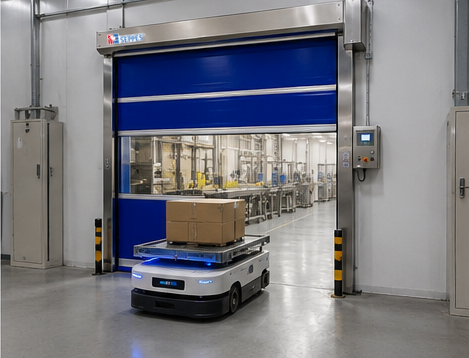
تستخدم مرافق التصنيع الحديثة بشكل متزايد المركبات الموجهة الآلية (AGVs) والمركبات المتنقلة الآلية (AMRs) والناقلات وأنظمة الإنتاج الآلية.
يمكن دمج الأبواب عالية السرعة في هذه المهام الآلية.
على سبيل المثال، يمكن للمركبة الموجهة آليًا (AGV) الاقتراب من المدخل، وتفعيل نظام الكشف، وفتح الباب تلقائيًا. وبمجرد مرور المركبة، يمكن للباب أن يغلق مرة أخرى.
يمكن لهذا النوع من التطبيقات تقليل الحاجة إلى التشغيل اليدوي للباب والمساعدة في ربط مناطق مختلفة من المصنع الآلي.
بالنسبة للمنشآت المستثمرة في التصنيع الذكي، يمكن للأبواب عالية السرعة الأوتوماتيكية أن تصبح جزءًا من نظام مناولة المواد الشامل بدلاً من أن تعمل ببساطة كمدخل.
5. التحكم في درجة الحرارة وتدفق الهواء
تطبيق مهم آخر هو التحكم البيئي.
عندما يبقى الباب الصناعي مفتوحًا لفترة طويلة، يمكن للهواء المكيف أن يتسرب ويمكن للهواء الخارجي أن يدخل المبنى. يمكن أن يؤثر ذلك على استقرار درجة الحرارة ويزيد من عبء عمل أنظمة التدفئة أو التبريد.
تقلل الأبواب عالية السرعة من مقدار الوقت الذي تبقى فيه الفتحة مكشوفة.
يمكن أن يكون هذا مفيدًا في بيئات التصنيع حيث يجب التحكم في فروق درجات الحرارة بين المناطق، بما في ذلك الإنتاج الحساس لدرجة الحرارة والمناطق المبردة والمستودعات ذات التحكم المناخي.
يعتمد الأداء الفعلي لتوفير الطاقة على عوامل مثل حجم الباب، وتكرار الحركة، وأداء الإحكام، وظروف المبنى، وفرق درجة الحرارة بين المنطقتين.
6. تحسين الفصل البيئي
تتطلب بعض عمليات التصنيع تحكمًا أفضل في الغبار والجزيئات والرطوبة أو عوامل بيئية أخرى.
يمكن للأبواب عالية السرعة أن تساعد في إنشاء فصل مادي بين المناطق مع السماح بحركة متكررة للمواد والأفراد.
على سبيل المثال، قد يستخدم المصنع بابًا عالي السرعة بين منطقة الإنتاج العامة ومنطقة تعبئة أو فحص أنظف.
عندما يغلق الباب بسرعة بعد كل مرور، تبقى الفتحة مكشوفة لفترة أقل، مما يساعد في الحفاظ على فصل أفضل بين البيئتين.
7. الأبواب عالية السرعة في صناعة الأغذية والمشروبات
تصنيع الأغذية والمشروبات هو تطبيق مهم آخر للأبواب عالية السرعة.
غالبًا ما تحتاج مرافق الإنتاج في هذه الصناعة إلى إدارة النظافة ودرجة الحرارة والرطوبة وحركة المواد في الوقت نفسه.
يمكن تركيب الأبواب عالية السرعة بين غرف الإنتاج ومناطق التخزين ومناطق التعبئة وممرات اللوجستيات.
اعتمادًا على التطبيق، قد يختار المصنعون أبوابًا بمواد مناسبة وأنظمة إحكام ومقاومة للتآكل وأسطح سهلة التنظيف.
يجب دائمًا اختيار تكوين الباب وفقًا لمتطلبات النظافة وظروف التشغيل في المنشأة.
8. الأبواب عالية السرعة لمناطق المصانع المختلفة
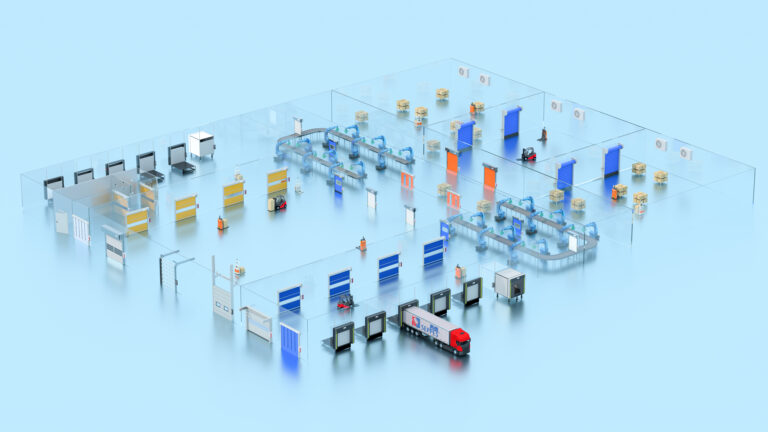
يمكن استخدام الأبواب عالية السرعة في أجزاء كثيرة من منشأة التصنيع.
تشمل المواقع الشائعة ما يلي:
مناطق الإنتاج
يمكن للأبواب فصل خلايا الإنتاج ومناطق التجميع ومناطق التشغيل الآلي ومناطق الفحص مع السماح بحركة متكررة للعمال والمواد.
وصلات المستودعات
يمكن للأبواب عالية السرعة ربط مستودعات المواد الخام بمناطق الإنتاج أو مستودعات المنتجات النهائية بمناطق التحميل.
مناطق التحميل
في نقاط التحميل، يمكن أن تساعد سرعة تشغيل الأبواب المركبات والرافعات الشوكية على الدخول والخروج بكفاءة أكبر.
ممرات اللوجستيات الداخلية
غالبًا ما تُستخدم مسارات اللوجستيات الداخلية بشكل مستمر طوال اليوم. يمكن أن يساعد الباب عالي السرعة في الحفاظ على حركة هذه المسارات دون ترك الفتحة مكشوفة دون داعٍ.
9. تحسين السلامة حول المداخل المزدحمة
قد تحتوي منشآت التصنيع على رافعات شوكية ومشاة ومركبات موجهة آليًا (AGVs) وآلات تعمل حول نفس المدخل.
لهذا السبب، تعتبر السلامة بنفس أهمية سرعة الفتح.
اعتمادًا على التطبيق، يمكن تجهيز الباب الصناعي عالي السرعة بأنظمة أمان مثل أجهزة الاستشعار الكهروضوئية، وستائر الضوء الواقية، وحواف الأمان السفلية، وكاشفات الرادار، وأضواء التحذير، ووظائف الإيقاف الطارئ.
يجب اختيار التكوين المناسب بناءً على نمط الحركة وتصميم الباب والمعدات المحيطة بالفتحة ومتطلبات السلامة المعمول بها.
10. لماذا استخدام الأبواب الصناعية عالية الأداء في التصنيع؟
السبب الرئيسي لاختيار المصنّعين للأبواب الصناعية عالية الأداء هو تحسين كفاءة الفتحات المستخدمة بشكل متكرر.
قد يكون الباب الصناعي التقليدي مناسبًا للفتحات المستخدمة من حين لآخر. ومع ذلك، فإن منشأة الإنتاج ذات الحركة المستمرة للرافعات الشوكية أو اللوجستيات الآلية قد تتطلب بابًا مصممًا لتشغيل أكثر تكرارًا بكثير.
في هذه الحالات، تصبح سرعة الباب، وتكرار الدورات، والعزل، والسلامة، وأنظمة التحكم جميعها اعتبارات مهمة.
الهدف ليس ببساطة تركيب أسرع باب ممكن. الهدف هو اختيار باب يتوافق مع عملية الإنتاج الفعلية.
كيفية اختيار باب عالي السرعة لمنشأة تصنيع
يجب أن يبدأ اختيار الباب عالي السرعة من التطبيق وليس من مواصفات المنتج فقط.
1. ضع في الاعتبار تكرار الحركة
كم مرة سيُفتح الباب ويُغلق كل يوم؟
المدخل المستخدم باستمرار بواسطة الرافعات الشوكية سيتطلب حلاً مختلفًا عن المدخل المستخدم بضع مرات فقط يوميًا.
2. حدد ما يمر عبر الباب
ضع في الاعتبار ما إذا كانت الفتحة ستُستخدم بواسطة الرافعات الشوكية أو الشاحنات أو الموظفين أو المنصات أو المركبات الموجهة آليًا (AGVs) أو معدات أخرى.
يحدد هذا حجم الفتحة المطلوب وطريقة التحكم.
3. افحص البيئة
ضع في الاعتبار متطلبات درجة الحرارة والرطوبة والغبار والرياح والماء والتآكل والنظافة.
قد تتطلب البيئات المختلفة مواد أبواب مختلفة وأنظمة عزل وتكوينات مختلفة.
4. ضع في الاعتبار الأتمتة
إذا كانت المنشأة تستخدم مركبات موجهة آليًا (AGVs) أو روبوتات متنقلة (AMRs) أو سيور ناقلة أو معدات يتم التحكم فيها عبر PLC، فيجب أن يكون الباب عالي السرعة قادرًا على التواصل مع نظام التحكم ذي الصلة.
5. قيّم متطلبات السلامة
يجب اختيار أجهزة استشعار السلامة وأنظمة الكشف وفقًا لظروف الحركة الفعلية ومناطق الخطر حول الباب.
كيف يمكن استخدام أبواب SEPPES عالية السرعة في التصنيع
بالنسبة للمصنّعين، يعتمد الاختيار الصحيح باب عالي السرعة على التطبيق المحدد بدلاً من مجرد اختيار نموذج قياسي.
توفر SEPPES حلول أبواب صناعية عالية السرعة لتطبيقات مثل مناطق الإنتاج في المصانع، ووصلات المستودعات، وممرات اللوجستيات الداخلية، وحركة الرافعات الشوكية عالية التردد.
اعتمادًا على المشروع، يمكن النظر في التكوين حول عوامل مثل أبعاد الفتحة، وتكرار الحركة، وسرعة التشغيل، وأجهزة الاستشعار، وأنظمة السلامة، والمتطلبات البيئية.
هذا النهج القائم على التطبيق مهم لأن منشأة التصنيع قد تحتوي على عدة مداخل مختلفة، ويمكن أن يكون لكل مدخل متطلبات تشغيل مختلفة تمامًا.
الخلاصة: ما هي استخدامات الأبواب عالية السرعة في التصنيع؟
إذًا، ما هي استخدامات الأبواب عالية السرعة في التصنيع؟
تُستخدم بشكل أساسي لتحسين تدفق المواد، وفصل مناطق الإنتاج المختلفة، ودعم اللوجستيات الآلية، والتحكم في البيئات الداخلية، وتحسين الكفاءة حول المداخل عالية التردد.
من خطوط الإنتاج والمستودعات إلى مناطق التحميل، ومنشآت الأغذية والمشروبات، والمصانع الآلية، يمكن أن تصبح الأبواب عالية السرعة جزءًا مهمًا من البنية التحتية للتصنيع الحديث.
يعتمد الحل الأمثل على التطبيق الفعلي. يجب مراعاة تكرار الحركة، وحجم الفتحة، والظروف البيئية، ومتطلبات السلامة، والأتمتة قبل اختيار الباب.
عندما يتم تقييم هذه العوامل بشكل صحيح، يمكن للباب عالي السرعة أن يفعل أكثر من مجرد توفير وصول سريع. يمكن أن يساعد في خلق سير عمل تصنيعي أكثر سلاسة وأمانًا وكفاءة.