📞WhatsApp 86-18068436613

Cómo Elegir el Mejor Nivelador de Muelle Hidráulico Eléctrico: la Guía Definitiva

La importancia de elegir el adecuado Nivelador de muelle hidráulico eléctrico
En cualquier almacén o centro de distribución, una plataforma de carga confiable y eficiente es esencial para garantizar operaciones fluidas de carga y descarga. De los muchos tipos de plataformas de carga disponibles, los Nivelador de muelle hidráulico eléctrico son ampliamente reconocidos por su versatilidad, facilidad de operación y durabilidad. Especialmente adecuados para entornos de carga y descarga de alta frecuencia, los niveladores de muelle de carga electrohidráulicos pueden mejorar drásticamente la eficiencia y minimizar los riesgos de seguridad causados por un uso inadecuado.
Esta guía le ayudará a comprender los factores clave a considerar al elegir el mejor nivelador de muelle electrohidráulico, incluida la capacidad de carga, los requisitos de instalación, las características de seguridad y los requisitos de mantenimiento, y le proporcionará consejos detallados sobre cómo realizar la elección más apropiada.
¿Qué es una carga electrohidráulica de carga?
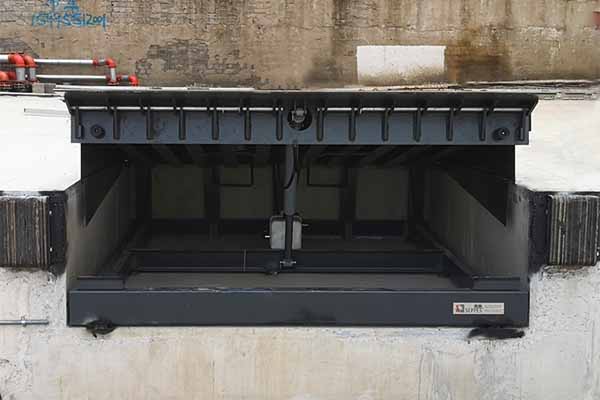
Antes de profundizar en los factores clave para elegir un muelle de carga hidráulico, es importante comprender los conceptos básicos de un nivelador de muelle hidráulico.
Definición: Un muelle de carga electrohidráulico es un dispositivo de carga utilizado para salvar la diferencia de altura entre un camión y el suelo del almacén. Utiliza un sistema hidráulico y controles eléctricos para elevar y bajar la plataforma, permitiendo un manejo de materiales rápido y suave.
Principio de funcionamiento: La plataforma es accionada por un motor eléctrico que impulsa el sistema hidráulico, permitiendo que la plataforma se ajuste con precisión en altura. Este tipo de plataforma de carga y descarga es fácil de operar, responde rápidamente y es adecuado para trabajos de carga y descarga que requieren ajustes frecuentes de altura.
Factores clave para elegir las mejores plataformas de carga electrohidráulicas
Hay varios aspectos a considerar al elegir la plataforma de carga electrohidráulica adecuada. Estos son los factores clave que le ayudarán a tomar la mejor decisión:
Capacidad de carga
La capacidad de carga es un factor central al elegir una plataforma de carga electrohidráulica. Determina el peso máximo que la plataforma puede manejar.
Cómo elegir la capacidad de carga correcta
Elija la capacidad de carga de su muelle de carga según las cargas más pesadas de su almacén o centro de distribución. Asegúrese de que la capacidad de carga de la plataforma exceda o iguale el peso máximo que necesita manejar en sus operaciones diarias.
Rangos de carga comunes
Las plataformas de carga hidráulicas suelen tener un rango de 25,000 a 80,000 libras. Elegir el rango de carga correcto garantizará la estabilidad y longevidad de su equipo.
Tamaño y ajustabilidad de la plataforma
Al elegir una plataforma, es importante prestar atención al tamaño y la capacidad de ajuste, ya que determinan la flexibilidad y adaptabilidad de la plataforma.
Longitud y ancho de la plataforma
Asegúrese de que la plataforma sea lo suficientemente grande para acomodar los tipos de camiones y la carga comunes. Los anchos estándar de plataforma oscilan entre 72 y 96 pulgadas. Hay tamaños personalizados disponibles para satisfacer necesidades especiales.
Ajuste de Altura
La capacidad de ajuste de altura de una plataforma de carga hidráulica de alta velocidad es muy importante. El rango de ajuste de altura de la plataforma debe cubrir la altura de diferentes camiones para garantizar una carga y descarga fluida.
Durabilidad y Materiales
La durabilidad de una plataforma de carga afecta directamente a su vida útil y costos de mantenimiento. Los materiales comunes incluyen:
Acero: La mayoría de las plataformas de carga electrohidráulicas están fabricadas en acero, ya que proporcionan una gran capacidad de carga y resistencia a los impactos. Las plataformas de acero suelen ser adecuadas para entornos de carga y descarga de servicio más pesado.
Recubrimientos galvanizados o anticorrosivos: Para mejorar la resistencia a la corrosión y a la intemperie de la plataforma, muchas plataformas están recubiertas con pinturas anticorrosivas o galvanizadas, lo que permite que la plataforma se utilice en entornos hostiles durante períodos prolongados.
Características de seguridad
Las características de seguridad no deben ignorarse al elegir una plataforma de carga electrohidráulica. Una plataforma de carga con un buen diseño de seguridad puede prevenir accidentes y proteger al operador.
Protecciones de seguridad
Las plataformas de carga de alta calidad suelen estar equipadas con protecciones automáticas, como lengüetas de seguridad automáticas y dispositivos anticolisión. Cuando la plataforma entra en contacto con mercancías o personas, puede detenerse automáticamente para prevenir accidentes.
Cerraduras de seguridad y sistemas de detección
Algunas plataformas también están equipadas con cerraduras de seguridad automáticas y sensores de carga, que pueden monitorear el estado de uso de la plataforma y garantizar que no se pueda operar en caso de sobrecarga o inestabilidad.
Eficiencia energética
La eficiencia energética es crítica para mejorar la eficiencia operativa y reducir los costos operativos. Una plataforma de carga electrohidráulica eficiente no solo ahorra energía, sino que también reduce los costos de mantenimiento.
Sistema hidráulico eficiente
Un sistema hidráulico eficiente proporciona un funcionamiento suave y reduce el desperdicio de energía. Elegir sistemas hidráulicos con tecnología de ahorro de energía puede mejorar la eficiencia energética.
Estanqueidad
Un buen diseño de sellado evita fugas de fluido hidráulico, aumentando así la eficiencia general y la confiabilidad del sistema.
Precauciones de instalación para plataformas de carga y descarga electrohidráulicas

Requisitos de espacio para la instalación
Al elegir una plataforma de carga, debe asegurarse de que el tamaño de la plataforma seleccionada sea compatible con el espacio de su almacén o muelle. La adecuación del espacio de instalación tiene un impacto directo en la efectividad operativa y la longevidad de la plataforma.
Tamaño de la plataforma y espacio libre
Al evaluar el espacio de instalación, además de las dimensiones de la plataforma en sí, también se debe considerar el espacio de apertura y cierre de la plataforma para garantizar que esta no esté restringida por el espacio durante su funcionamiento.
Instalación profesional frente a autoinstalación
Aunque la instalación de una plataforma de carga electrohidráulica pueda parecer simple, un servicio de instalación profesional es esencial para garantizar que el equipo funcione correctamente.
Instalación profesional: Optar por que la plataforma sea instalada por un profesional garantiza que se instale con precisión según los requisitos del fabricante y evita posibles problemas de instalación.
Riesgos de la autoinstalación: Si se autoinstala, pueden surgir problemas como desalineación de la plataforma o inestabilidad hidráulica, lo que puede afectar el uso y la seguridad de la plataforma.
Cumplimiento normativo y estándares
Las plataformas de carga electrohidráulicas deben cumplir con los estándares de seguridad nacionales o regionales y las regulaciones de la industria. Por ejemplo, las plataformas deben cumplir con requisitos como los sistemas de gestión de calidad ISO 9001, la certificación CE o los estándares de seguridad OSHA para garantizar el cumplimiento de las normas de seguridad durante su uso.
Mantenimiento y vida útil de las plataformas de carga electrohidráulicas
Inspección y Mantenimiento Periódicos
Para garantizar que la plataforma de carga electrohidráulica funcione de manera eficiente durante mucho tiempo, la inspección y el mantenimiento regulares son esenciales.
Inspección de rutina: Verifique si el sistema hidráulico, la transmisión, los sellos y el sistema de control eléctrico funcionan correctamente. La lubricación y limpieza periódicas pueden reducir la aparición de fallos y daños.
Limpieza y mantenimiento: Mantener la superficie de la plataforma limpia evita la acumulación de suciedad y residuos, y garantiza el funcionamiento adecuado de la plataforma, especialmente en entornos de uso frecuente.
Expectativa de vida
La vida útil de una plataforma de carga electrohidráulica suele ser de 10 a 15 años si se mantiene adecuadamente. Sin embargo, la vida útil real puede verse afectada por la frecuencia de uso, las condiciones ambientales y la calidad del mantenimiento. La vida útil de la plataforma puede prolongarse significativamente mediante inspecciones y mantenimiento regulares.
Solución de problemas comunes
Los problemas comunes de solución de fallos incluyen fugas en el sistema hidráulico, fallos en el control motorizado y desalineación de la plataforma. Identificar los problemas y repararlos con prontitud ayudará a minimizar el tiempo de inactividad y garantizar un funcionamiento eficiente continuo.
Elegir el proveedor adecuado de plataformas de carga electrohidráulicas
Reputación y experiencia del proveedor
Elegir un proveedor experimentado y con buena reputación es crucial para garantizar la calidad de la plataforma y el servicio postventa.
Certificación de calidad
Asegúrese de que las plataformas de carga electrohidráulicas suministradas por su proveedor cumplan con los estándares internacionales, como la certificación ISO 9001 y la certificación CE, para garantizar una calidad de producto confiable.
Soporte al cliente y servicio de garantía
Un soporte al cliente de calidad y servicios de garantía pueden proteger el mantenimiento postventa. Elegir un proveedor que ofrezca soporte al cliente 24/7 y servicio de garantía completo le permitirá resolver los problemas con prontitud cuando se presenten.
Elegir el mejor nivelador de muelle hidráulico eléctrico
Al elegir la plataforma de carga electrohidráulica adecuada, debe considerar varios factores, como la capacidad de carga, los requisitos de instalación, las características de seguridad, la facilidad de mantenimiento y el servicio del proveedor. Al elegir un muelle de carga de alta calidad, puede mejorar la eficiencia operativa, la seguridad y el ahorro de energía en su almacén, creando así un mayor valor para su organización.
Preguntas Frecuentes
1. ¿Qué es una plataforma de carga electrohidráulica?
Una plataforma de carga electrohidráulica es un dispositivo que ajusta la altura de la plataforma mediante un sistema hidráulico controlado eléctricamente, y se utiliza para salvar la brecha entre almacenes y camiones para facilitar la carga y descarga de mercancías.
2. ¿Cómo elegir la capacidad de carga adecuada?
Al elegir la capacidad de carga, asegúrese de que la capacidad de carga de la plataforma pueda satisfacer la demanda de la carga más pesada. Se recomienda elegir equipos ligeramente superiores a la carga máxima para garantizar la estabilidad y seguridad de la plataforma.
3. ¿Cuál es la frecuencia de mantenimiento de la plataforma de carga electrohidráulica?
Se recomienda realizar una inspección de rutina una vez al mes para garantizar el funcionamiento adecuado del sistema hidráulico, la transmisión y los componentes de sellado.
4. ¿Para qué industrias son adecuados los Niveladores de Muelle Electrohidráulicos?
Las plataformas de carga y descarga electrohidráulicas son ampliamente utilizadas en centros logísticos, almacenes, industrias manufactureras, plantas procesadoras de alimentos, etc. Son adecuadas para la carga y descarga frecuente de mercancías.
5. ¿Cuáles son las ventajas de elegir un hNivelador de Muelle dElectrohidráulico? leveler?
Las plataformas de carga electrohidráulicas son fáciles de operar, mejoran la eficiencia, ahorran tiempo y son especialmente adecuadas para necesidades de carga y descarga de alta frecuencia, al mismo tiempo que mejoran la seguridad y reducen accidentes.
Esta guía detallada le ayudará a comprender cómo elegir el muelle de carga electrohidráulico adecuado para las necesidades de su almacén e instalaciones, y garantizar su funcionamiento eficiente a largo plazo.
Información relevante
Los Niveladores de Muelle Mecánicos Sobresalen en Puertos y Muelles Australianos
Niveladores de Muelle Hidráulicos o Mecánicos: Diferencias Clave