📞WhatsApp 86-18068436613

High Speed Spiral Door Supplier: 4 Ways to Compare Bids

A high speed spiral door supplier should be evaluated on the proposed installation, the evidence supporting it and the responsibilities accepted in writing. A quotation becomes useful when it explains how the door fits the building, handles the required operating pattern and connects to the site’s controls. These details help a buyer distinguish a suitable offer from one that leaves expensive decisions unresolved.
Consider two hypothetical bids for the same warehouse entrance. Both show silver insulated panels and similar headline speeds. One includes a layout drawing and a defined integration scope; the other provides a lower equipment price with those items still unspecified. The purchasing decision depends on resolving that difference before comparing commercial value.
Table of Contents
Toggle1 Ask Each High Speed Spiral Door Supplier to Prove the Layout
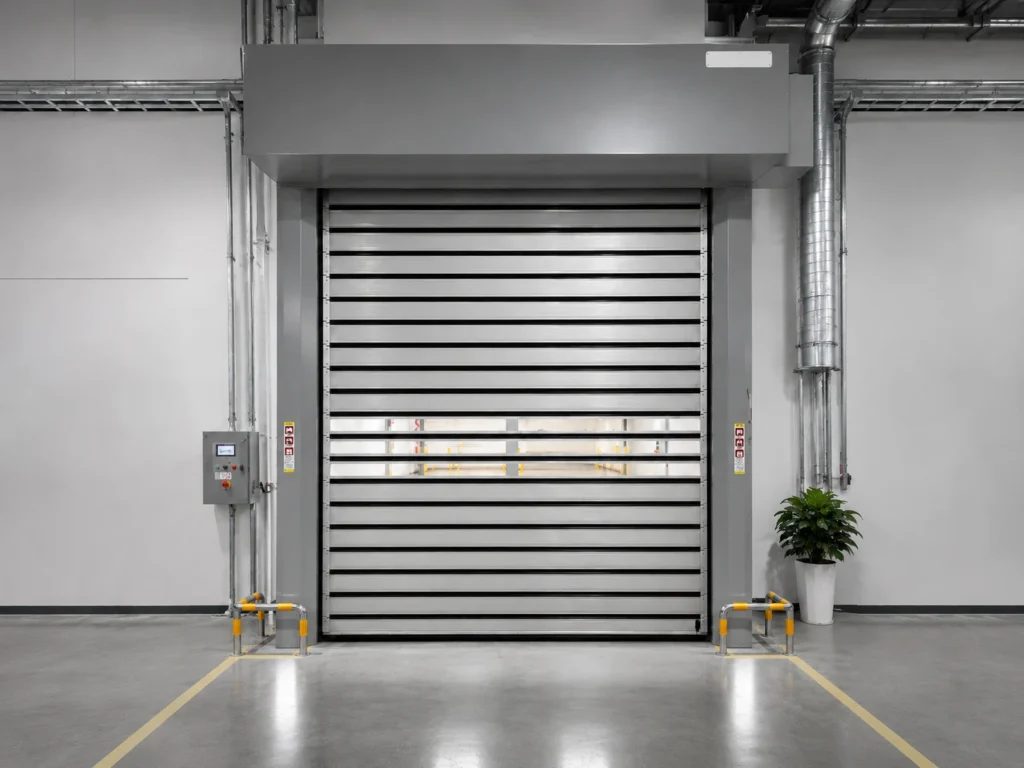
Start with a drawing for the actual opening. It should distinguish the finished clear width and height from the structural opening, then show the guides, overhead assembly, motor position and space required for servicing. A brochure dimension is a starting point; the proposed assembly must fit around the building’s existing services and structure.
The SEPPES spiral-door range presents several travel arrangements, including circular, elliptical and alternative layouts. This gives the buyer configurations to discuss. It also makes the drawing important: a proposal for one arrangement should not inherit the clearance assumptions of another.
Look at the complete occupied space, including depth into the building. A layout that clears the lintel may still conflict with a duct, crane route or maintenance platform farther inside. Ask which components need access and whether a replacement panel or drive component can be removed through the available space. These questions can change the proposed arrangement before manufacturing starts.
For a wide exterior opening, the SEPPES external high-speed spiral door describes a reinforced central structure. Discuss whether that configuration is relevant to the project, then request the applicable mounting details and support requirements. The building designer should assess the supporting structure using the supplier’s project information.
Record the agreed drawing revision with the offer. If a high speed spiral door supplier changes the track arrangement, panel configuration or motor location later, review the affected interfaces before accepting the substitution. This prevents a commercially equivalent item from being treated as geometrically interchangeable.
2 Compare the Duty the Quoted Assembly Must Deliver
A useful performance discussion covers opening size, traffic concentration, movement settings, environmental exposure and maintenance assumptions. Ask the high speed spiral door manufacturer to connect its stated capabilities to the complete offered assembly. A component rating or a test on a different size may need an explanation before it can support the project’s requirements.
Daily cycle totals can conceal a demanding peak. In an invented example, 300 cycles spread evenly over ten hours average 30 cycles per hour. If 240 of those cycles occur during a two-hour dispatch window, that window averages 120 cycles per hour. The daily total is unchanged, but the operating pattern is different. These figures describe a hypothetical schedule, not SEPPES operating limits.
Give each bidder the same peak-period information. Ask which duty assumptions, operating conditions and maintenance provisions support the response. Likewise, establish whether a quoted speed is a configurable maximum or the proposed setting for the ordered door. Opening time also depends on travel distance and acceleration; the site’s passage time includes activation, waiting and vehicle movement.
For an exposed entrance, distinguish a stated closed-door resistance from the conditions under which movement is permitted. Request the relevant evidence, its size and mounting scope, and the manufacturer’s operating limitations. A wind description without its test basis or operating context cannot settle those questions.
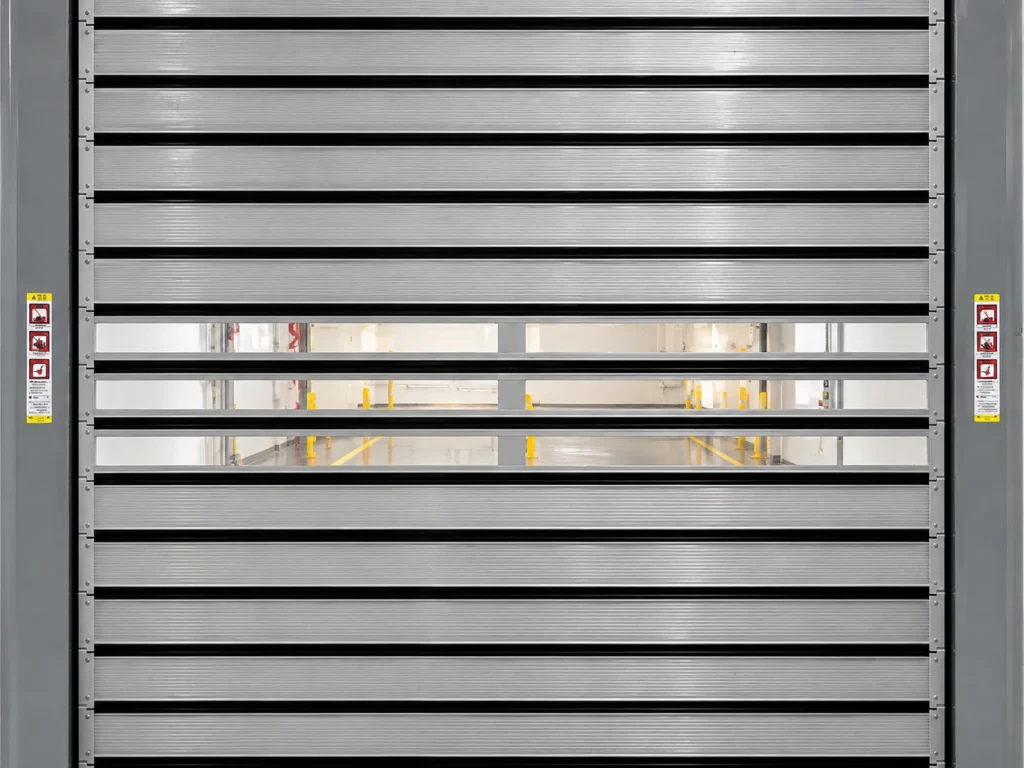
Finally, match the configuration across the quotation, drawing and supporting documents. Panel skins, insulation core, joints, guides and any vision sections belong to the assembly being purchased. A high speed spiral door supplier should identify which evidence applies and explain any differences. Treat an unresolved requirement as an open technical item, rather than assuming a stronger-looking panel resolves it.
3 Separate Available Interfaces from Included Integration
“Automation ready” needs a defined delivery scope. An interface can be available while programming, field wiring, signal definitions and system verification remain outside the quotation. That difference matters when the entrance must coordinate with a conveyor, access-control system or automated vehicle.
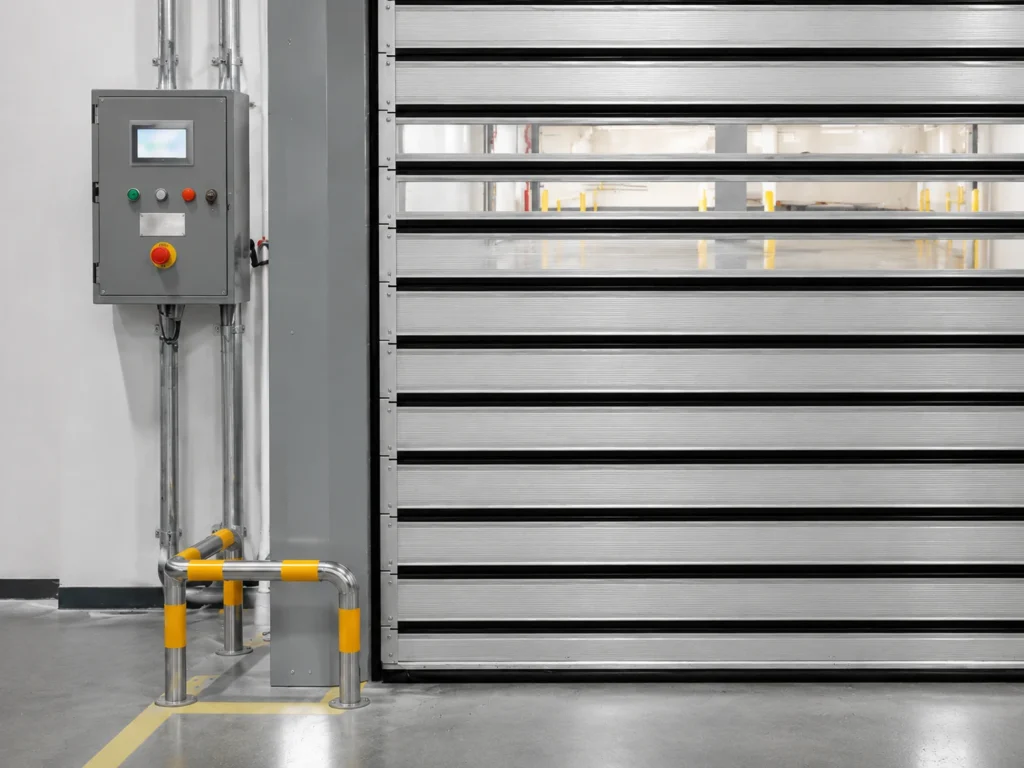
SEPPES’s low-profile high-speed coiling door page lists reserved I/O and RS-485 connections. Those provisions are useful discussion points. Their presence does not establish which commands, status signals or protective functions are included in a particular project. Request the interface documentation and an agreed description of the intended sequence.
Have the supplier distinguish a request to open, confirmation of door position and permission for the connected equipment to proceed. Identify who defines and verifies each exchange. A high speed spiral door for sale with communication ports may still require additional integration work before it serves the intended automated process.
Keep protective functions within the complete system review. The UK HSE’s powered-door safety guidance emphasizes the interaction of components, installation conditions and maintenance. A list of sensors or a communication protocol does not establish the safety of the finished installation. The responsible specialists should determine the appropriate design and verification for the actual application.
Ask the high speed spiral door supplier to identify what is factory-configured, what the installer completes and what the site integrator must deliver. Where availability of the production line depends on this coordination, include the interface work and its verification in the agreed project schedule. Otherwise, a mechanically installed door can still be awaiting the work needed for operational use.
4 Trace Responsibility from Manufacturing to Site Support
Clarify the commercial and technical roles behind the offer. The company signing the order, the manufacturing organization, the export coordinator, the installer and the service provider may perform different tasks. A direct manufacturing relationship or a distributor arrangement can both work when the responsibilities and escalation route are clear.
A high speed spiral door factory should be able to connect the supplied configuration to its production records, component identification and documentation. Request the applicable assembly reference, drawing revision and parts information. If a component is substituted, establish how the change will be reviewed and reflected in the delivery records.
For international supply, ask the high speed spiral door exporter to identify the packing scope, shipment responsibilities and documents to be provided for the destination. Confirm separately who supplies installation labour, lifting equipment, local electrical work and commissioning. The availability of remote installation guidance does not itself define an on-site service commitment.
Then examine support after delivery. Ask how replacement panels, guides, rollers, drive parts and controls will be identified and ordered for the actual model. Discuss expected availability, responsibility for diagnostic work and the costs or exclusions relevant to site attendance. A warranty duration alone cannot answer these questions.
The high speed spiral door manufacturer and the customer-facing supplier should give consistent answers about the ordered configuration. Put the final commitments into the accepted offer and its referenced documents. This makes the comparison about what each bidder will deliver, rather than the wording of a company description.
Use the Bid Comparison to Resolve Gaps Before Award
The following example illustrates two incomplete offers. It is not a comparison of real suppliers and does not assign a winner.
| Review area | Hypothetical bid A | Hypothetical bid B | Required clarification |
|---|---|---|---|
| Building fit | General headroom figure | Drawing for the opening, service space unclear | Confirm the full occupied and service envelope |
| Operating duty | Daily cycle claim only | Peak period addressed, exposure unspecified | Confirm both the traffic pattern and environment |
| Integration | Ports listed as available | Signal work priced, verification excluded | Define the complete integration responsibility |
| Support | Parts warranty stated | Local service named, attendance terms unclear | Agree coverage, service scope and exclusions |
Ask both bidders to close the relevant gaps against the same project brief. Resolve essential fit and operating requirements before ranking price or optional enhancements. A small discount cannot compensate for an assembly that does not satisfy a mandatory project requirement.
Keep a short decision record showing the requirement, the supplier’s answer, the supporting document and the person responsible for acceptance. If an alternative remains conditional, state the condition explicitly. This gives purchasing and engineering the same basis for approving the order.
Request a Comparable SEPPES Proposal
For a meaningful high speed spiral door supplier comparison, send SEPPES an opening drawing, site photographs, available overhead and side space, traffic peaks, environmental exposure, power supply and required interfaces. Identify any mandatory project requirements and the desired division of supply, installation and service responsibilities.
Use the SEPPES enquiry page to request a configuration-specific proposal. Ask for the proposed layout, documented operating assumptions, integration scope, exclusions and support arrangements. If SEPPES suggests an alternative, request an explanation of the affected interfaces so your team can compare the complete offers before committing to a purchase.