📞WhatsApp 86-18068436613

Roll Up Door vs High Speed Roller Shutter Doors

Table of Contents
ToggleRoll Up Door vs High Speed Roller Shutter Doors Comparison Table
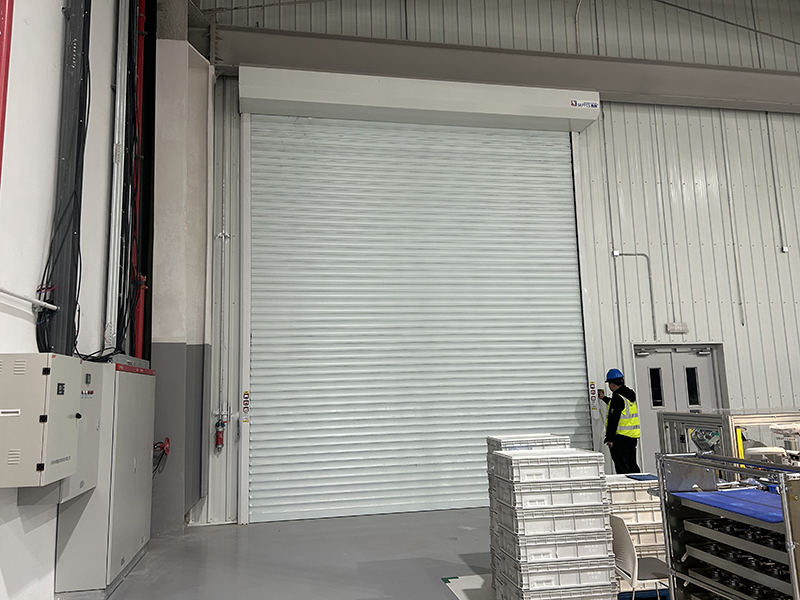
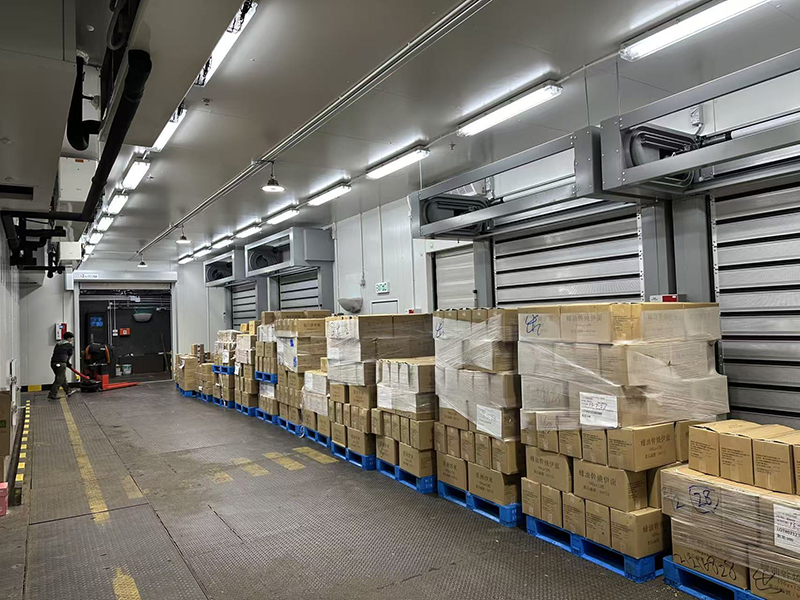
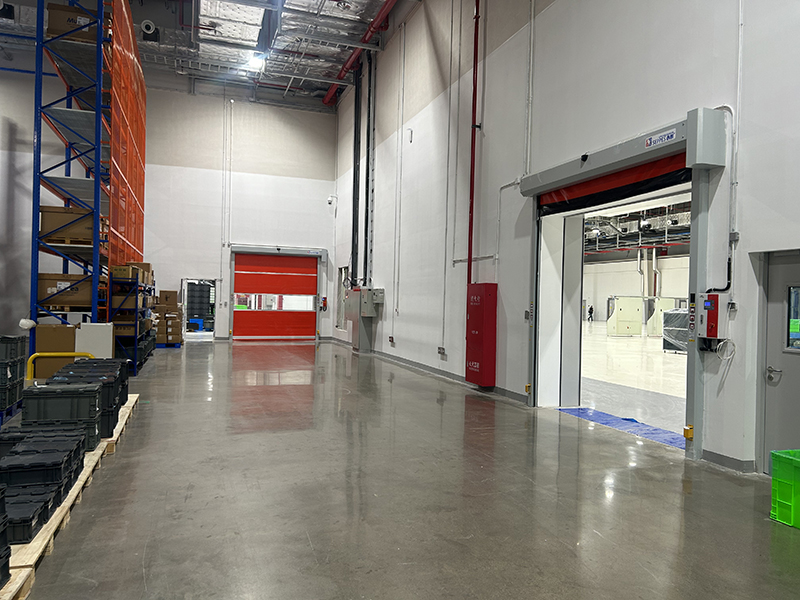
When selecting an industrial door for a warehouse, factory, logistics center, or manufacturing facility, many buyers compare traditional roll up doors with modern high speed roller shutter doors. While both door types provide secure access control, they differ significantly in operating speed, energy efficiency, maintenance requirements, and overall performance.
In this guide, we compare industrial roll up doors and high speed roller shutter doors to help you determine the best solution for your facility.
| Feature | Roll Up Door | High Speed Roller Shutter Door |
| Opening Speed | 0.1–0.3 m/s | 0.8–2.0 m/s |
| Door Curtain | Steel or aluminum slats | PVC curtain or insulated aluminum panels |
| Operating Frequency | Low to medium | High frequency |
| Energy Efficiency | Standard | Excellent |
| Traffic Flow | Occasional vehicle access | Continuous forklift, AGV, and personnel traffic |
| Safety Features | Basic safety devices | Advanced sensors and safety systems |
| Noise Level | Relatively higher | Lower and smoother operation |
| Initial Investment | Lower | Higher |
| Maintenance Cost | Lower | Moderate |
| Typical Applications | Warehouses, garages, shops | Logistics centers, factories, cleanrooms, cold storage |
What Is a Roll Up Door?
A roll up door is a door system that opens vertically by rolling the curtain onto a drum above the doorway. Traditional metal roll up doors are widely used in warehouses, workshops, storage facilities, and commercial buildings due to their durability and cost-effectiveness.
Depending on the application, these doors can be manufactured from galvanized steel or aluminum. An aluminum roll up door offers corrosion resistance and a lighter operating weight, while steel doors provide enhanced security and impact resistance.
Roll up doors are commonly used as
- Warehouse exterior doors
- Loading dock access doors
- Storage facility entrances
- Commercial building openings
- Inside roll up door applications with moderate traffic
Advantages of Roll Up Doors
- Lower initial investment
- Strong security performance
- Durable metal construction
- Simple maintenance
- Suitable for low to medium traffic areas
Limitations of Roll Up Doors
- Slow opening and closing speeds
- Increased energy loss during operation
- Potential traffic bottlenecks
- Less suitable for high-cycle environments
What Are High Speed Roller Shutter Doors?
High speed roller shutter doors also called high speed coiling doors are advanced industrial door systems designed for facilities with frequent vehicle, forklift, AGV, and personnel traffic. Unlike conventional roll up doors, a high speed roller shutter can open and close in seconds, reducing waiting times and minimizing temperature exchange.
Modern industrial high speed door systems typically use flexible PVC curtains or insulated aluminum slats, depending on the application.
Popular variants include:
Advantages of High Speed Roller Shutter Doors
- Opening speeds up to 2.0 m/s
- Reduced energy loss
- Improved traffic efficiency
- Better environmental control
- Enhanced workplace safety
- Ideal for automation integration
Limitations of High Speed Roller Shutter Doors
- Higher initial investment
- More advanced control systems
- Requires professional installation
Roll Up Door vs High Speed Roller Shutter Doors
1. Opening Speed
The most obvious difference is operating speed.
Traditional metal roll up doors typically operate at 0.1–0.3 m/s, while high speed roller shutter doors can reach speeds of 0.8–2.0 m/s.
For facilities with continuous forklift traffic, a faster door significantly reduces waiting time and improves workflow efficiency.
2. Energy Efficiency
A standard industrial roll up door may remain open for several seconds during each cycle, allowing conditioned air to escape.
In contrast, high speed coiling doors open and close rapidly, helping maintain internal temperatures and reducing HVAC costs.
This makes high-speed doors particularly valuable in:
Cold storage facilities
Food processing plants
Pharmaceutical facilities
Cleanrooms/Laboratory
3. Traffic Frequency
For warehouses with occasional vehicle movement, a roll up door remains a practical solution.
However, if forklifts, AGVs, or conveyors operate continuously, an industrial high speed door is the preferred option because it can withstand thousands of cycles per day.
4. Safety Performance
Modern high speed fabric roll up doors incorporate advanced safety systems such as:
Photoelectric sensors
Safety light curtains
Soft bottom edges
Automatic reversal systems
These features provide greater protection for personnel and equipment than conventional roll up doors.
5. Automation Compatibility
Many automated facilities require door systems that communicate with sensors, AGVs, conveyors, and PLC controls.
High speed fabric roll up systems are designed for this purpose and can be integrated with:
- Conveyor systems
- Automated warehouses
- AGV fleets
- Robotic production lines
Traditional roll up doors generally offer limited automation capabilities.
Which Door Is Best for Your Facility?
Choose a Roll Up Door If:
- Security is your primary concern.
- Traffic frequency is relatively low.
- Budget is limited.
- The door is used only a few times per day.
Choose High Speed Roller Shutter Doors If:
- Forklifts operate continuously.
- Energy efficiency is important.
- Temperature control is required.
- Fast logistics flow is essential.
- Automated equipment needs door integration.